
Walter Scheidel Books
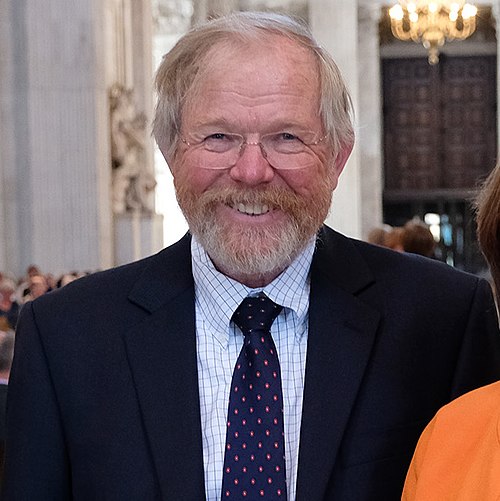
Walter Scheidel is an Austrian historian and professor of classics and history at Stanford University. His research focuses on ancient social and economic history, historical demography, and the long-term evolution of inequality.
Known for: The Great Leveler: Violence and the History of Inequality from the Stone Age to the Twenty-First Century, The Great Leveller: Violence and the History of Inequality from the Stone Age to the Twenty-First Century, Why Europe? The Rise of the West in World History, 1500–1850
Books by Walter Scheidel

The Great Leveler: Violence and the History of Inequality from the Stone Age to the Twenty-First Century
This book explores the history of inequality across human societies, arguing that major reductions in inequality have historically resulted from violent shocks such as wars, revolutions, state collaps...

The Great Leveller: Violence and the History of Inequality from the Stone Age to the Twenty-First Century
Why does inequality keep returning, even after periods of reform, growth, and democratic progress? In The Great Leveller, historian Walter Scheidel offers a stark and unsettling answer: across thousan...

Why Europe? The Rise of the West in World History, 1500–1850
Why did Europe, long divided by wars, rival kingdoms, and competing religions, become the center of global power between 1500 and 1850? In Why Europe? The Rise of the West in World History, 1500–1850,...
Key Insights from Walter Scheidel
Early Human Societies
In humanity’s earliest epochs, when small foraging groups wandered across landscapes in search of food, inequality was limited by the sheer simplicity of survival. Mobility and sharing were essential, and accumulated wealth was nearly impossible. Yet with the transition to settled agriculture, a pro...
From The Great Leveler: Violence and the History of Inequality from the Stone Age to the Twenty-First Century
Ancient Empires
From Mesopotamia’s temple economies to Rome’s vast latifundia, ancient civilizations institutionalized inequality on an unprecedented scale. As states emerged, rulers and elite administrators monopolized wealth, taxation, and land. The apparatus of empire—bureaucracy, military, trade—magnified econo...
From The Great Leveler: Violence and the History of Inequality from the Stone Age to the Twenty-First Century
Inequality Deepened with Agriculture and States
The most important fact about inequality may be that it is not humanity’s default condition, but a product of specific social arrangements. Scheidel begins deep in prehistory, showing that hunter-gatherer societies, while not perfectly equal, generally had limited and unstable hierarchies. Mobility ...
From The Great Leveller: Violence and the History of Inequality from the Stone Age to the Twenty-First Century
Collapse Sometimes Resets Rigid Hierarchies
Civilizations often look permanent right up until the moment they fail. Scheidel uses ancient examples, including the Late Bronze Age collapse around 1200 BCE, to show how sudden systemic breakdown can flatten hierarchy. Palace economies, aristocratic households, trade routes, and administrative cen...
From The Great Leveller: Violence and the History of Inequality from the Stone Age to the Twenty-First Century
Mass War Can Compress Wealth Gaps
War is usually remembered for destruction, but Scheidel argues that certain kinds of war also transform distribution. Not every conflict does this. Limited dynastic wars often leave elite structures intact. The real leveller is mass mobilization warfare: conflicts so large that states must conscript...
From The Great Leveller: Violence and the History of Inequality from the Stone Age to the Twenty-First Century
Revolutions Destroy Elites and Property
Some of the sharpest reductions in inequality have come not from ballots, but from revolutions. Scheidel examines cases such as the French, Russian, and Chinese revolutions to show how violent upheaval can dismantle elite privilege through confiscation, land redistribution, execution, forced collect...
From The Great Leveller: Violence and the History of Inequality from the Stone Age to the Twenty-First Century
About Walter Scheidel
Walter Scheidel is an Austrian historian and professor of classics and history at Stanford University. His research focuses on ancient social and economic history, historical demography, and the long-term evolution of inequality.



Frequently Asked Questions
Walter Scheidel is an Austrian historian and professor of classics and history at Stanford University. His research focuses on ancient social and economic history, historical demography, and the long-term evolution of inequality.
Read Walter Scheidel's books in 15 minutes
Get AI-powered summaries with key insights from 3 books by Walter Scheidel.