
W. G. Sebald Books
W. G.
Known for: Austerlitz, The Emigrants, The Rings of Saturn, Vertigo
Books by W. G. Sebald
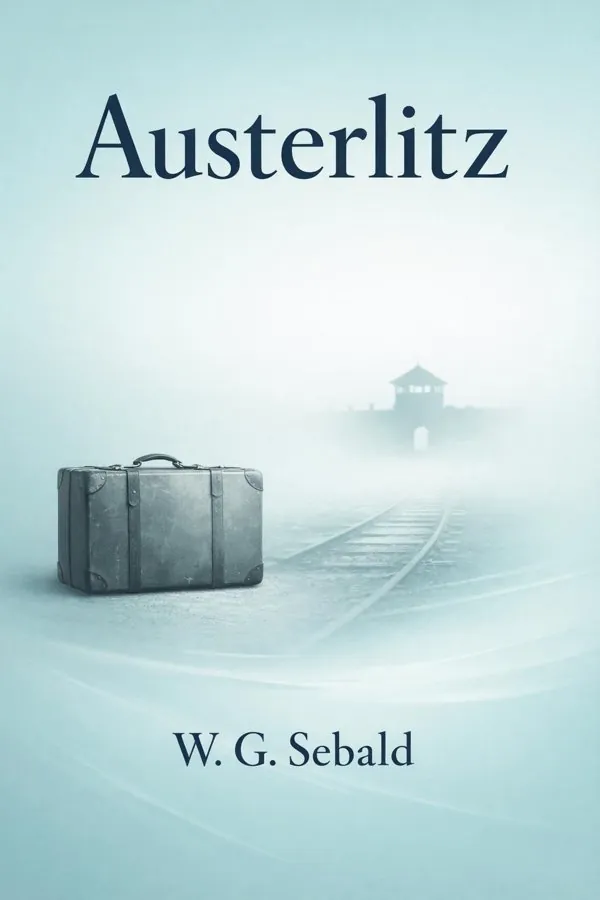
Austerlitz
Austerlitz is W. G. Sebald’s haunting, genre-defying novel about memory, exile, and the long shadow of European catastrophe. First published in English in 2001, it follows Jacques Austerlitz, an archi...
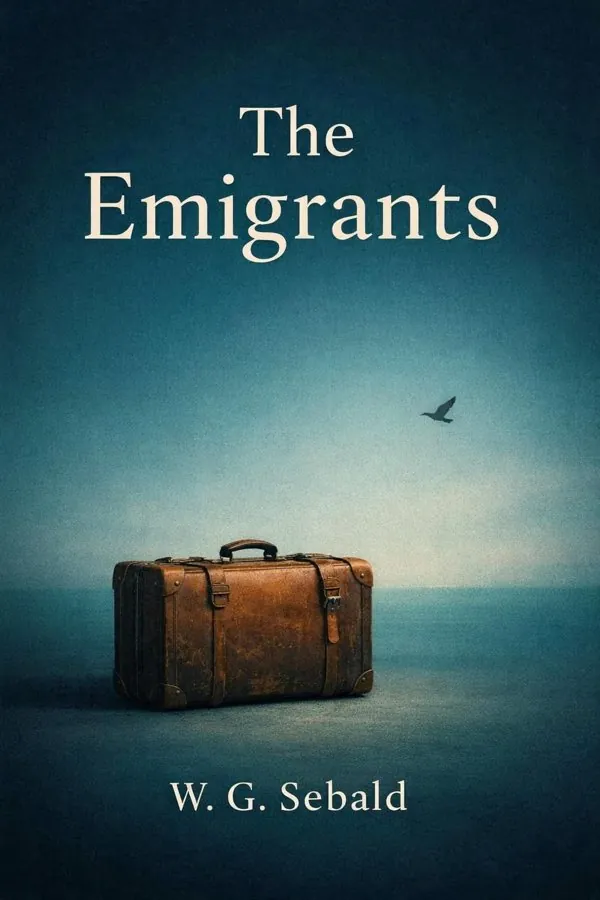
The Emigrants
The Emigrants by W. G. Sebald is a haunting hybrid of novel, memoir, travel writing, and historical meditation. Structured as four interconnected narratives, it follows the lives of displaced twentiet...
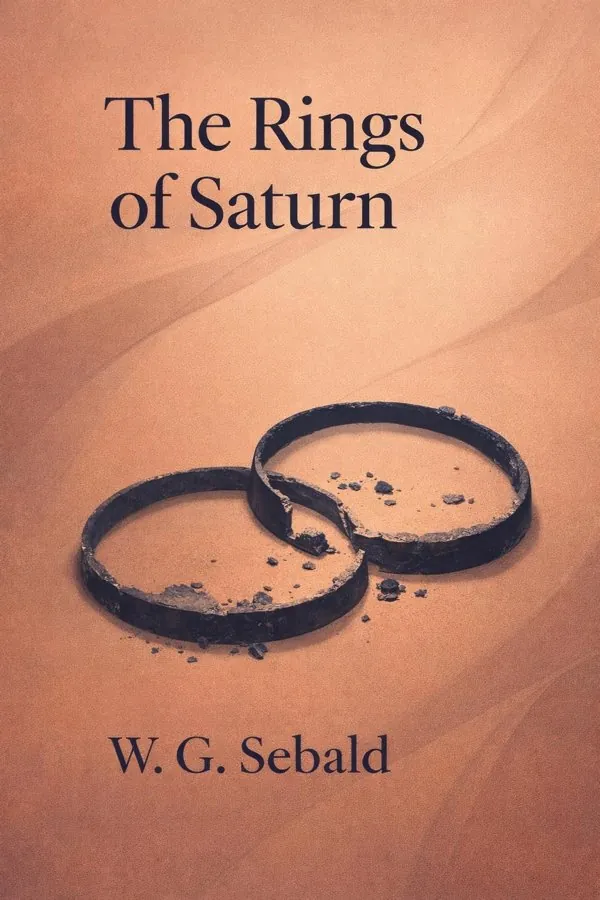
The Rings of Saturn
The Rings of Saturn is a book about walking, but also about what rises up when one walks slowly enough to really see. In this haunting, genre-defying work, W. G. Sebald recounts a tour through Suffolk...
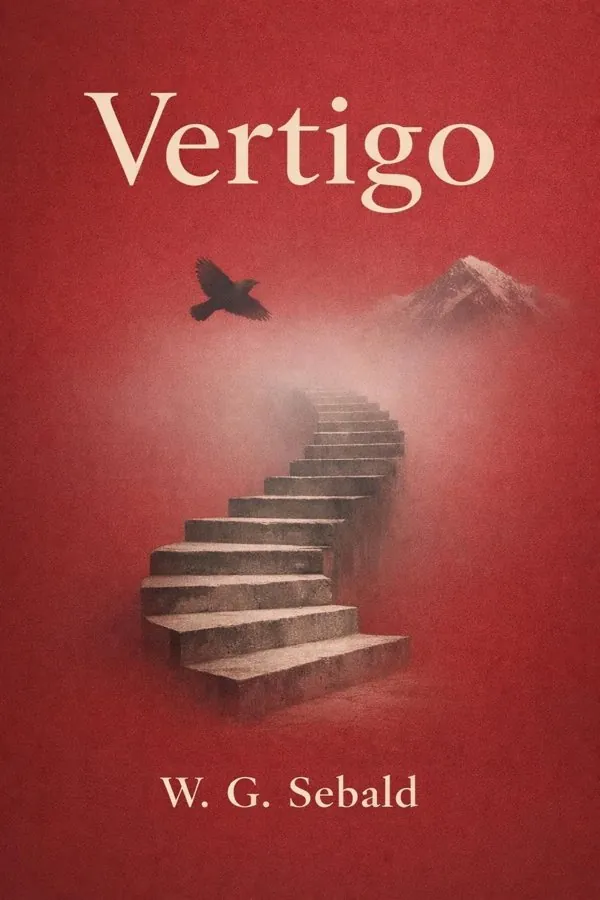
Vertigo
Vertigo is W. G. Sebald’s haunting first major prose work, a book that turns travel, reading, memory, and biography into one continuous act of searching. First published in German in 1990, it unfolds ...
Key Insights from W. G. Sebald
Encounters in Antwerp: The Architecture of Memory
Sometimes a life first becomes visible through what it chooses to study. When the unnamed narrator meets Jacques Austerlitz in Antwerp’s grand railway station, their conversation seems at first to revolve around architecture, fortifications, waiting rooms, and public buildings. Yet Sebald quickly sh...
From Austerlitz
Childhood in Wales: The Disguised Self
A person can live for years inside a life that never fully feels like his own. One of the novel’s most powerful sections recounts Austerlitz’s childhood in Wales, where he is raised by a strict Calvinist minister and his wife under the name Dafydd Elias. He does not initially understand that this li...
From Austerlitz
The Shock of Late Recognition
Some truths do not arrive gradually; they strike with the force of a delayed revelation. In Austerlitz, the protagonist’s discovery that his childhood identity was hidden from him produces not closure but disorientation. Learning that he came to Britain as a refugee from Prague does not instantly re...
From Austerlitz
The Journey to Prague: Tracing the Lost
To search for the past is to enter a landscape where facts and grief are inseparable. Austerlitz’s journey to Prague marks a decisive turn in the novel, as he moves from abstract unease to active investigation. He seeks records, addresses, traces of his parents, and any surviving evidence of the lif...
From Austerlitz
Theresienstadt, Paris, and Historical Ruins
History often survives not as a finished story but as scattered remains that demand interpretation. In the later stages of Austerlitz’s search, locations such as Theresienstadt and Paris become crucial to understanding the fate of his parents and the machinery of twentieth-century violence. These pl...
From Austerlitz
Photography, Documents, and Fragile Evidence
A photograph can seem to prove that something existed, yet it can never explain what that existence felt like. One of Sebald’s most distinctive techniques in Austerlitz is the incorporation of photographs and documentary traces into the narrative. These images do not function as straightforward illu...
From Austerlitz
About W. G. Sebald
W. G. Sebald (1944–2001) was a German writer and academic known for his distinctive blend of fiction, memoir, and historical reflection. His works often explore memory, loss, and the aftermath of war, and he is regarded as one of the most influential literary figures of late 20th-century Europe.





Frequently Asked Questions
W. G.
Read W. G. Sebald's books in 15 minutes
Get AI-powered summaries with key insights from 4 books by W. G. Sebald.