
Thomas Sowell Books
Thomas Sowell is an American economist, social theorist, and senior fellow at the Hoover Institution, Stanford University. He has written extensively on economics, history, and social policy, and is known for his clear, data-driven analyses and critiques of political and social ideologies.
Known for: Basic Economics: A Common Sense Guide to the Economy, Economic Facts and Fallacies, Social Justice Fallacies
Books by Thomas Sowell
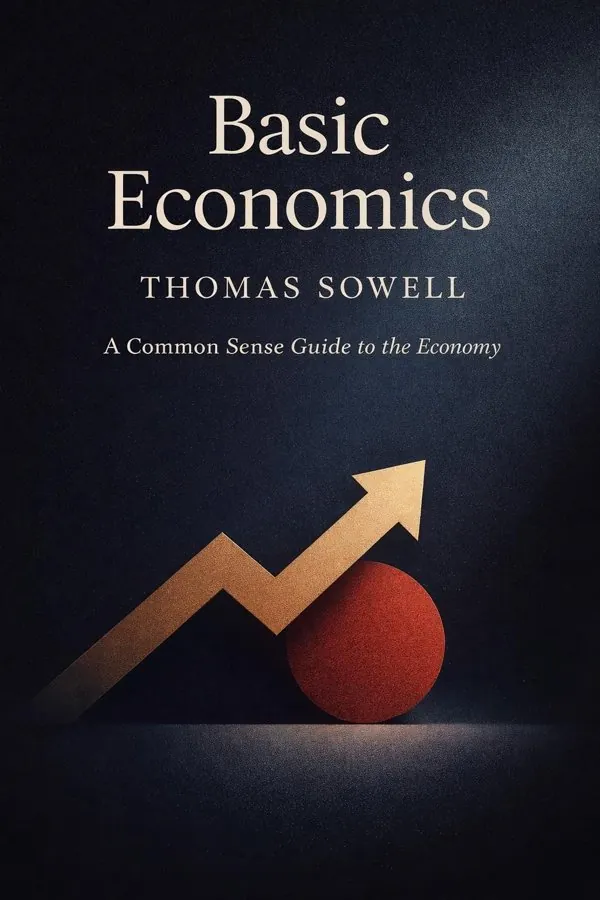
Basic Economics: A Common Sense Guide to the Economy
Basic Economics is an introduction to the fundamental principles of economics written in clear, accessible language. Thomas Sowell explains how economies function without relying on graphs or jargon, ...
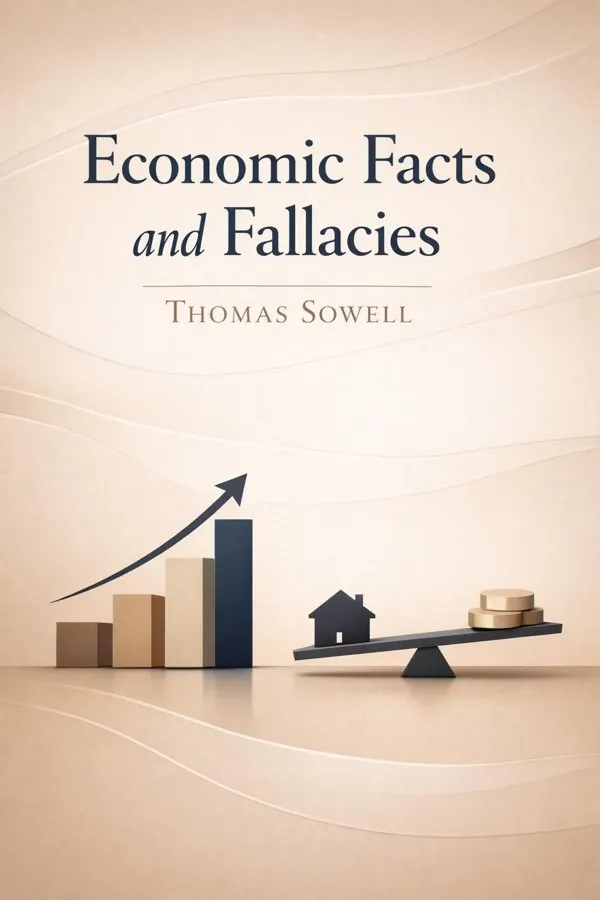
Economic Facts and Fallacies
Economic Facts and Fallacies is a work by economist Thomas Sowell that challenges widely held misconceptions about economics and public policy. Sowell examines topics such as gender, race, income ineq...
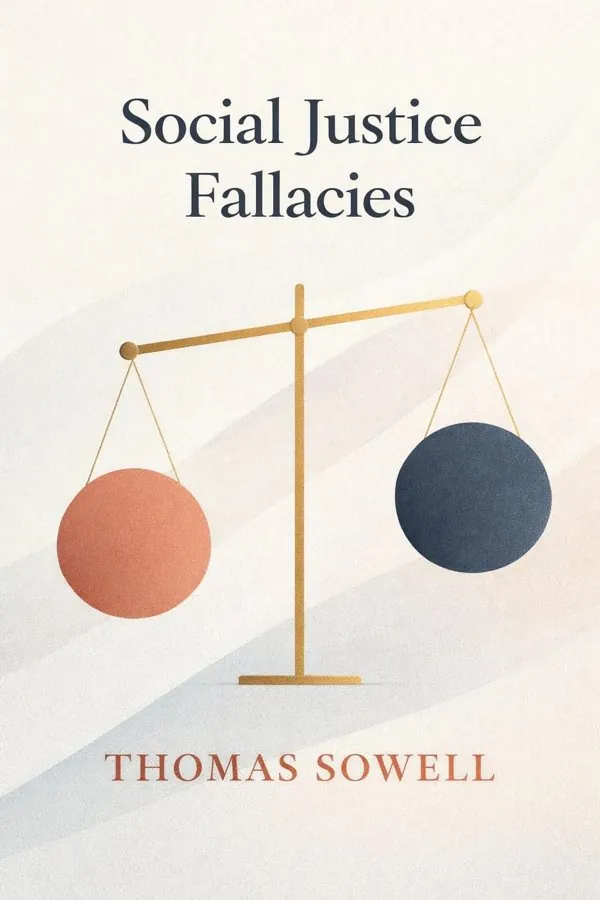
Social Justice Fallacies
In this book, economist and social theorist Thomas Sowell examines the assumptions and misconceptions underlying modern social justice movements. He argues that many popular claims about inequality, d...
Key Insights from Thomas Sowell
Scarcity and Choice
Every economy faces a central challenge: resources are limited, but human wants are not. Scarcity is the starting point of all economics. When you look at the world — whether land, labor, or capital — you see limits. Because of these limits, choices must be made among competing uses. Consider water...
From Basic Economics: A Common Sense Guide to the Economy
Prices as Signals
Prices are not arbitrary numbers; they are signals that carry vital information across society. When prices rise, that means demand is higher relative to supply. When prices fall, supply exceeds demand. These signals guide producers and consumers better than any centralized authority. Think of pric...
From Basic Economics: A Common Sense Guide to the Economy
The Fallacy of Zero-Sum Economics
One of the most persistent errors in human thought is the idea that wealth is a fixed pie—if one person gains, another must lose. It is a view as old as mercantilism, yet it survives in modern discussions of class, race, and gender. I begin here because this single misunderstanding underlies so many...
From Economic Facts and Fallacies
Urban Housing Fallacies
Perhaps nowhere is the clash between intentions and outcomes more poignant than in housing policy. For decades, governments have tried to make housing 'affordable' through interventions that, paradoxically, make it scarcer and more expensive. Rent control is the classic example. By capping rents, po...
From Economic Facts and Fallacies
Historical Context
To understand social justice as it is spoken of today, we must first understand its evolution. The term itself has a long pedigree, dating back to philosophical traditions that sought to correct inequalities inherent in society. But its modern form, which assumes that differences in outcomes must re...
From Social Justice Fallacies
Fallacy of Equal Outcomes
One of the most persistent errors in modern discourse is the belief that fairness means equality of results. The assumption is deceptively simple: if people start from similar points but end up with different incomes, education levels, or social status, something unjust must have occurred. Reality, ...
From Social Justice Fallacies
About Thomas Sowell
Thomas Sowell is an American economist, social theorist, and senior fellow at the Hoover Institution, Stanford University. He has written extensively on economics, history, and social policy, and is known for his clear, data-driven analyses and critiques of political and social ideologies.


Frequently Asked Questions
Thomas Sowell is an American economist, social theorist, and senior fellow at the Hoover Institution, Stanford University. He has written extensively on economics, history, and social policy, and is known for his clear, data-driven analyses and critiques of political and social ideologies.
Read Thomas Sowell's books in 15 minutes
Get AI-powered summaries with key insights from 3 books by Thomas Sowell.