
Sophocles Books
Sophocles (c. 496–406 BCE) was one of the three great tragedians of ancient Greece, alongside Aeschylus and Euripides.
Known for: Antigone, Antigone, Oedipus the King, Electra, Electra, Oedipus Rex
Books by Sophocles
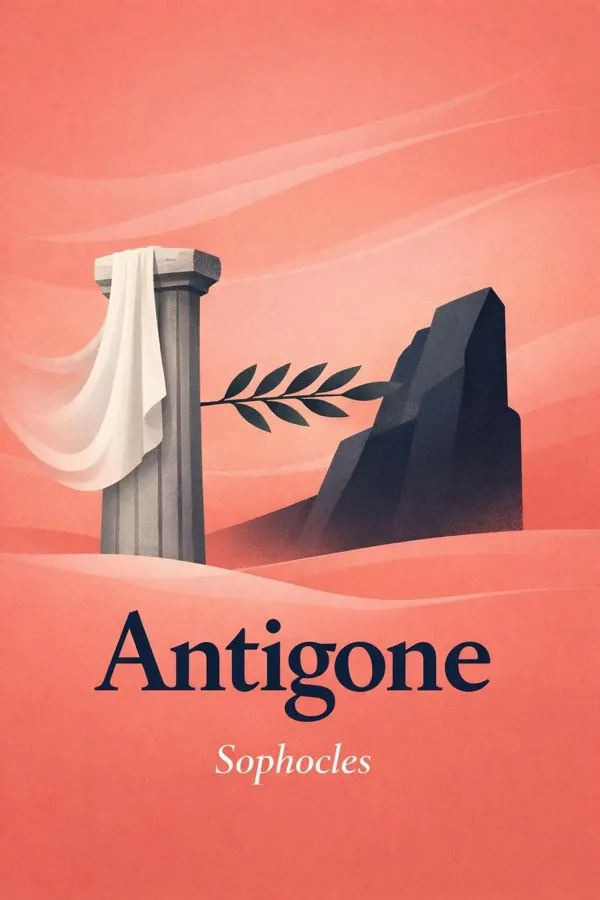
Antigone
What happens when obedience to the state demands betrayal of the soul? Sophocles’s Antigone, first performed around 441 BCE, stages that question with unforgettable force. Set in the aftermath of civi...
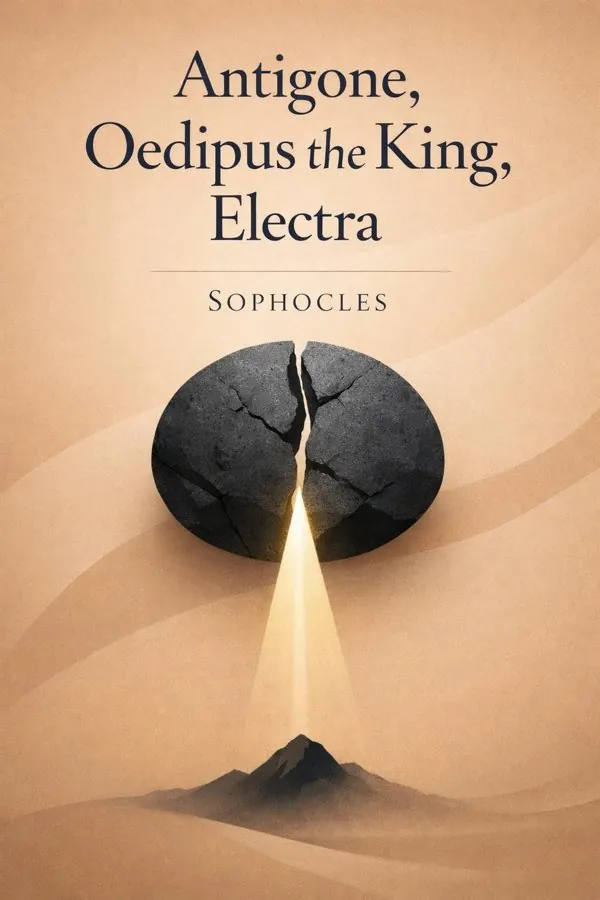
Antigone, Oedipus the King, Electra
This Oxford World's Classics edition brings together three of Sophocles’ greatest tragedies—Antigone, Oedipus the King, and Electra—each exploring themes of fate, justice, and moral responsibility. Th...
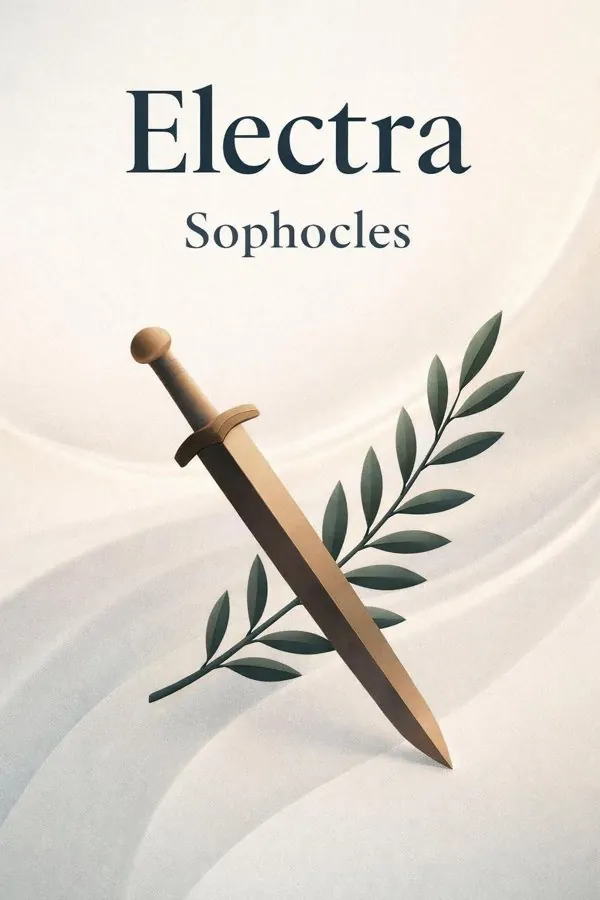
Electra
Electra is one of Sophocles’ most powerful tragedies, dramatizing the vengeance of Electra and her brother Orestes for the murder of their father, Agamemnon, by their mother, Clytemnestra, and her lov...
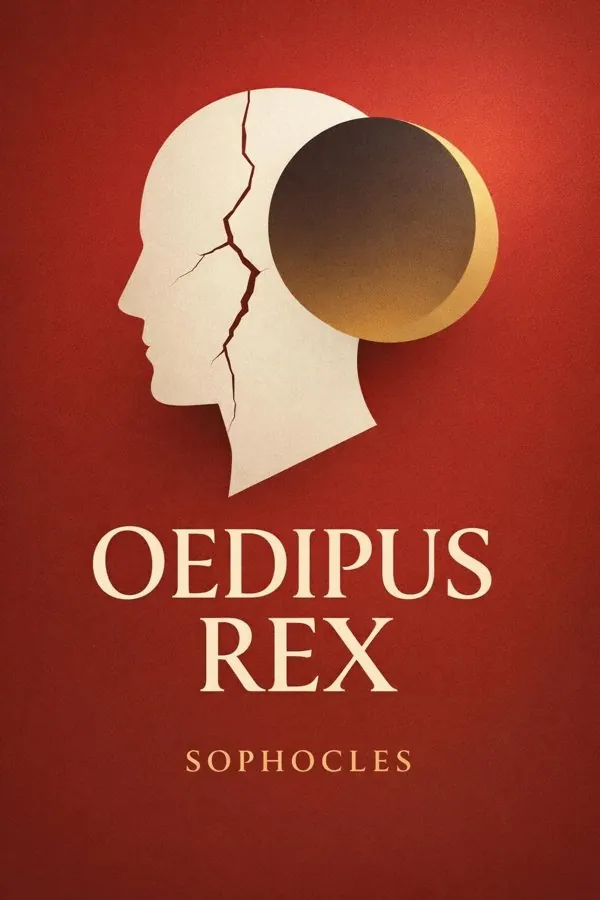
Oedipus Rex
Oedipus Rex, also known as Oedipus the King, is one of the greatest works of classical Greek tragedy written by Sophocles. The play tells the story of Oedipus, the King of Thebes, who seeks to rid his...
Key Insights from Sophocles
The First Act of Defiance
Sometimes the most important decisions are made before the world is even watching. Antigone begins not with a battlefield or royal proclamation, but with a private conversation between two sisters standing in the shadow of catastrophe. Their brothers, Eteocles and Polynices, have killed each other i...
From Antigone
Creon’s Decree and Civic Authority
Power often sounds most confident when it is most afraid. When Creon first appears before the chorus of Theban elders, he presents himself as the restorer of order after chaos. The city has just survived civil war, and he believes stability depends on making a clear example of loyalty and treason. E...
From Antigone
Divine Law Against Human Command
A law can command obedience without earning moral legitimacy. That is the heart of Antigone’s confrontation with Creon. After she performs burial rites for Polynices, however briefly, she is arrested and brought before the king. Creon expects denial, fear, or pleading. Instead, Antigone calmly admit...
From Antigone
Pride Turns Authority Into Blindness
The greatest danger in leadership is not strength, but the inability to be corrected. Creon’s tragedy is not that he has power; it is that he confuses power with wisdom. Once Antigone defies him, the issue ceases to be burial alone. It becomes personal. Creon cannot tolerate the humiliation of being...
From Antigone
Antigone’s Arrest and Moral Witness
There are moments when accepting punishment becomes part of the message. After Antigone is caught, she does not hide behind excuses, blame others, or seek sympathy. She claims full responsibility for burying Polynices and stands before Creon as a moral witness. Her courage lies not only in breaking ...
From Antigone
Haemon and the Human Cost
Reason often speaks softly, and pride often refuses to hear it. Haemon, Creon’s son and Antigone’s betrothed, enters the drama as perhaps the play’s most balanced voice. He begins respectfully, assuring his father of loyalty, but gradually urges him to reconsider Antigone’s punishment. Haemon report...
From Antigone
About Sophocles
Sophocles (c. 496–406 BCE) was one of the three great tragedians of ancient Greece, alongside Aeschylus and Euripides. He wrote over 120 plays, of which seven survive in complete form. His innovations in dramatic structure and character development profoundly influenced the evolution of Western dram...
Read more
Sophocles (c. 496–406 BCE) was one of the three great tragedians of ancient Greece, alongside Aeschylus and Euripides. He wrote over 120 plays, of which seven survive in complete form. His innovations in dramatic structure and character development profoundly influenced the evolution of Western dram...
Sophocles (c. 496–406 BCE) was one of the three great tragedians of ancient Greece, alongside Aeschylus and Euripides. He wrote over 120 plays, of which seven survive in complete form. His innovations in dramatic structure and character development profoundly influenced the evolution of Western drama.





Frequently Asked Questions
Sophocles (c. 496–406 BCE) was one of the three great tragedians of ancient Greece, alongside Aeschylus and Euripides.
Read Sophocles's books in 15 minutes
Get AI-powered summaries with key insights from 4 books by Sophocles.