
Paul Krugman Books
Paul Krugman is an American economist, columnist, and professor known for his work on international economics and economic geography. He received the Nobel Prize in Economic Sciences in 2008 and has written extensively for The New York Times and in academic publications.
Known for: The Accidental Theorist: And Other Dispatches from the Dismal Science, The Conscience of a Liberal
Books by Paul Krugman
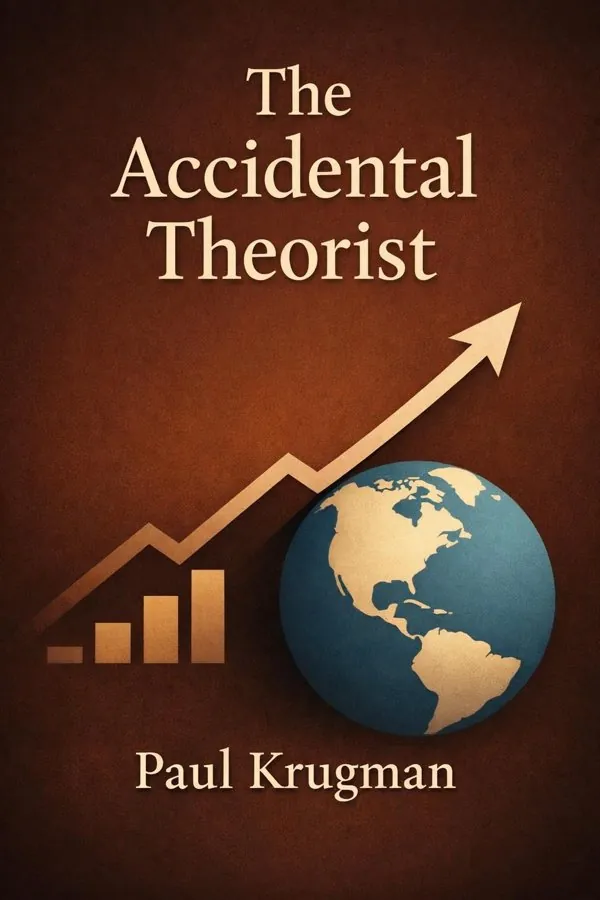
The Accidental Theorist: And Other Dispatches from the Dismal Science
The Accidental Theorist is Paul Krugman at his most accessible: sharp, funny, and relentlessly committed to explaining why sound economics so often loses out to comforting myths. This collection of es...
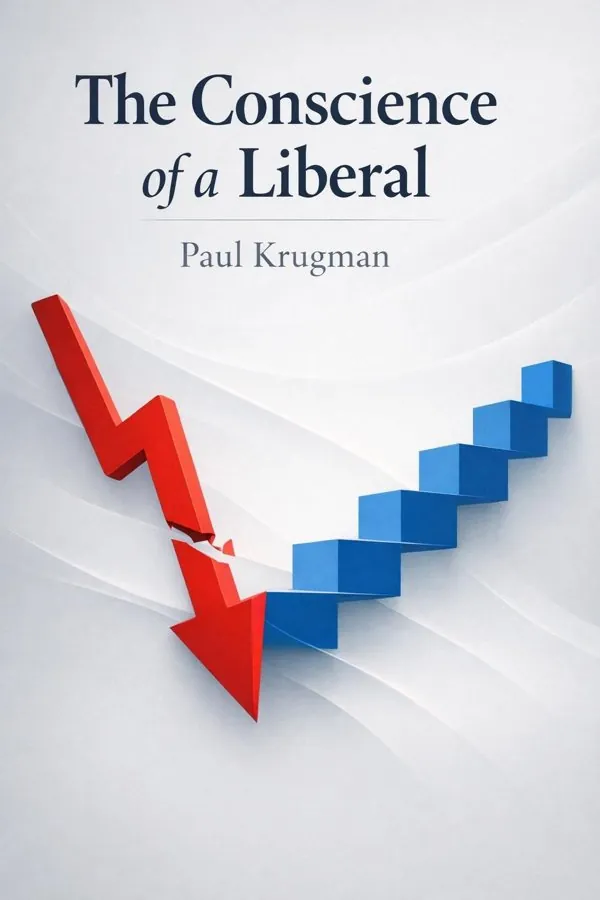
The Conscience of a Liberal
In this influential work, Nobel laureate economist Paul Krugman examines the political and economic history of the United States from the New Deal to the present, arguing for a return to liberal value...
Key Insights from Paul Krugman
Productivity Is Not the Enemy
A society becomes richer not by working harder forever, but by producing more value with the same effort. That simple truth sounds obvious, yet public debate often treats productivity growth as a threat. In the essay that gives the book its title, Krugman responds to a recurring fear: if machines an...
From The Accidental Theorist: And Other Dispatches from the Dismal Science
Comparative Advantage Defies Common Sense
One of the most important ideas in economics sounds wrong until you truly understand it. Krugman revisits David Ricardo’s theory of comparative advantage to show why trade can benefit countries even when one nation is better at producing everything. The key is not absolute superiority but relative e...
From The Accidental Theorist: And Other Dispatches from the Dismal Science
Globalization Creates Gains and Tensions
Globalization is neither the utopia its boosters promise nor the disaster its critics fear. Krugman treats it as an economic process with real benefits, real disruptions, and frequent exaggerations on all sides. He pushes back against the idea that global trade and integration are the sole explanati...
From The Accidental Theorist: And Other Dispatches from the Dismal Science
Technology Explains More Than Trade
When economic anxiety rises, people search for a visible culprit. Foreign competition is politically convenient, but Krugman argues that technological change often explains more than trade does. Changes in wages, job composition, and productivity frequently result from new production methods, softwa...
From The Accidental Theorist: And Other Dispatches from the Dismal Science
Bad Economics Thrives in Politics
Economic nonsense survives not because it is persuasive to experts, but because it is useful to politicians, pundits, and interest groups. One of Krugman’s recurring themes is that public debate rewards emotionally satisfying stories over analytically sound ones. Nations are described as if they wer...
From The Accidental Theorist: And Other Dispatches from the Dismal Science
Economists Clarify, Not Just Forecast
The public often expects economists to behave like fortune-tellers, but Krugman argues that their more important role is to provide a disciplined framework for thinking. Good economics does not eliminate uncertainty or produce perfect predictions. Instead, it identifies the relevant mechanisms, test...
From The Accidental Theorist: And Other Dispatches from the Dismal Science
About Paul Krugman
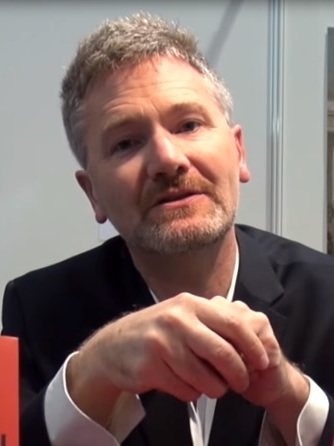
Paul Krugman is an American economist, columnist, and professor known for his work on international economics and economic geography. He received the Nobel Prize in Economic Sciences in 2008 and has written extensively for The New York Times and in academic publications.


Frequently Asked Questions
Paul Krugman is an American economist, columnist, and professor known for his work on international economics and economic geography. He received the Nobel Prize in Economic Sciences in 2008 and has written extensively for The New York Times and in academic publications.
Read Paul Krugman's books in 15 minutes
Get AI-powered summaries with key insights from 2 books by Paul Krugman.