
Mary Beard Books
Mary Beard is a British classicist, professor of Classics at the University of Cambridge, and a fellow of Newnham College. She is known for her accessible and scholarly works on ancient Rome and for her contributions to public understanding of classical history through books, television, and journalism.
Known for: SPQR: A History of Ancient Rome, Women & Power: A Manifesto
Books by Mary Beard
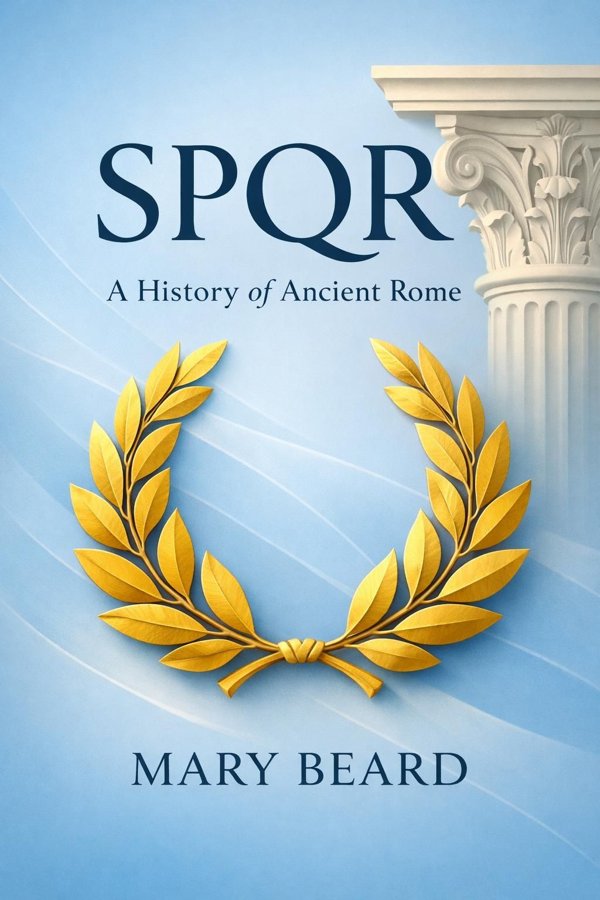
SPQR: A History of Ancient Rome
SPQR: A History of Ancient Rome is Mary Beard’s sweeping, revisionist account of how Rome grew from a cluster of settlements into one of the most powerful political systems the world has ever seen. Bu...
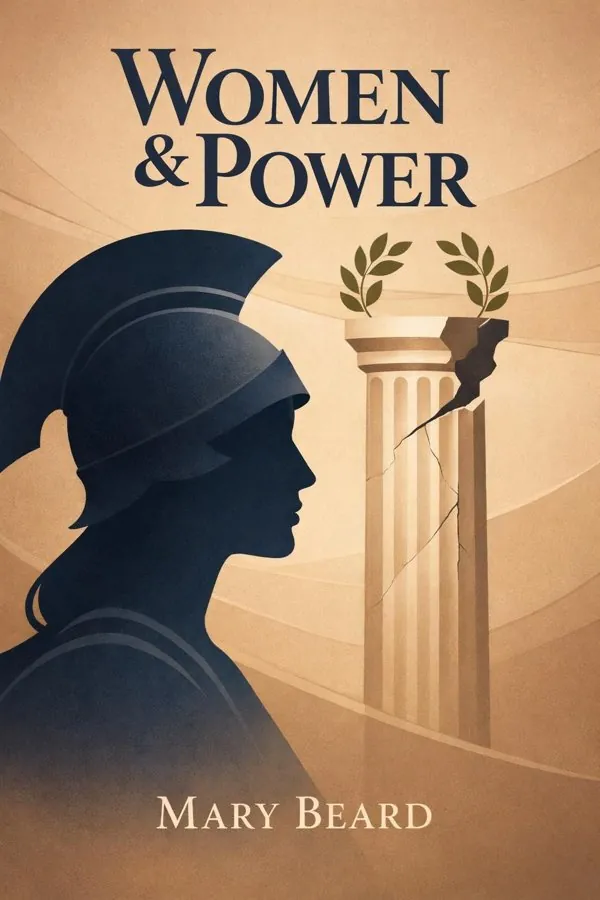
Women & Power: A Manifesto
In this powerful manifesto, classicist Mary Beard explores the roots of misogyny and the ways in which history has shaped the exclusion of women from positions of power. Drawing on examples from ancie...
Key Insights from Mary Beard
Myth, Memory, and Rome’s Beginnings
Every civilization invents a story about itself, and Rome’s earliest story was designed as much to explain Roman values as to record historical fact. The famous tale of Romulus and Remus, the twins abandoned and raised by a she-wolf, is not simply a charming legend. It introduces themes that would d...
From SPQR: A History of Ancient Rome
The Republic Was Argument, Not Harmony
Rome’s Republic endured not because it eliminated conflict, but because it turned conflict into a political system. Beard emphasizes that the Roman Republic was not a neat constitutional machine in the modern sense. It was a tangled arrangement of offices, assemblies, customs, family influence, publ...
From SPQR: A History of Ancient Rome
Expansion Changed Rome From Within
Empires do not simply conquer others; they are transformed by conquest themselves. One of Beard’s central themes is that Roman expansion across Italy and the wider Mediterranean was not just a sequence of military victories. It changed Rome’s economy, political expectations, social hierarchies, and ...
From SPQR: A History of Ancient Rome
Republican Breakdown Was Deeply Human
Political collapse rarely begins with a single villain. In Beard’s account, the crisis of the late Republic emerged from structural tensions, personal ambition, social inequality, and the inability of existing norms to cope with new realities. Figures such as the Gracchi, Marius, Sulla, Pompey, Cice...
From SPQR: A History of Ancient Rome
Empire Preserved Republican Appearances
The Roman Empire did not begin with a clean constitutional reset. One of Beard’s most illuminating points is that Augustus, Rome’s first emperor in all but name, built his power by preserving the language and appearance of the Republic. Offices remained, the Senate still met, elections continued in ...
From SPQR: A History of Ancient Rome
Ordinary Roman Life Was Unequal and Complex
History often remembers emperors, but empires are lived by ordinary people. Beard broadens the picture of Rome by examining daily life across the empire: crowded cities, rural estates, military camps, workshops, households, temples, baths, and marketplaces. Roman society was intensely hierarchical. ...
From SPQR: A History of Ancient Rome
About Mary Beard
Mary Beard is a British classicist, professor of Classics at the University of Cambridge, and a fellow of Newnham College. She is known for her accessible and scholarly works on ancient Rome and for her contributions to public understanding of classical history through books, television, and journal...
Read more
Mary Beard is a British classicist, professor of Classics at the University of Cambridge, and a fellow of Newnham College. She is known for her accessible and scholarly works on ancient Rome and for her contributions to public understanding of classical history through books, television, and journal...
Mary Beard is a British classicist, professor of Classics at the University of Cambridge, and a fellow of Newnham College. She is known for her accessible and scholarly works on ancient Rome and for her contributions to public understanding of classical history through books, television, and journalism.


Frequently Asked Questions
Mary Beard is a British classicist, professor of Classics at the University of Cambridge, and a fellow of Newnham College. She is known for her accessible and scholarly works on ancient Rome and for her contributions to public understanding of classical history through books, television, and journalism.
Read Mary Beard's books in 15 minutes
Get AI-powered summaries with key insights from 2 books by Mary Beard.