
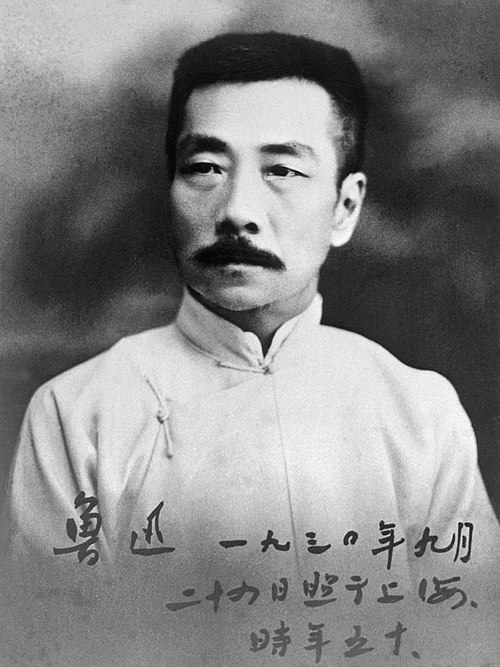
Lu Xun Books
Lu Xun (1881–1936), born Zhou Shuren in Shaoxing, Zhejiang, is regarded as the father of modern Chinese literature. His works, known for their sharp social criticism and psychological depth, include Call to Arms, Wandering, and Old Tales Retold.
Known for: A Madman's Diary, Blessing, Kong Yiji, Medicine, The True Story of Ah Q
Books by Lu Xun
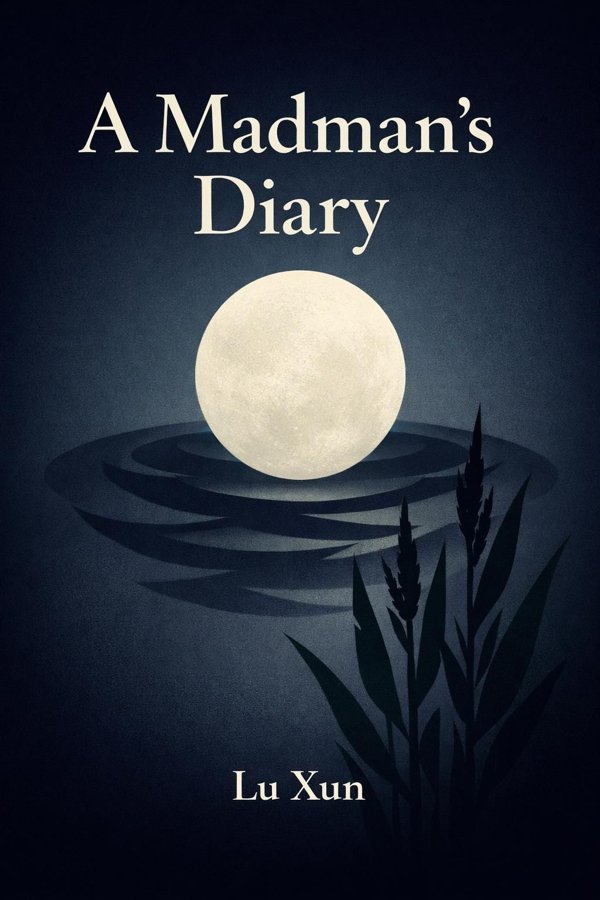
A Madman's Diary
What if the greatest madness in society is not the fear of persecution, but the refusal to see the cruelty everyone else accepts as normal? Lu Xun’s A Madman’s Diary, first published in 1918 in New Yo...
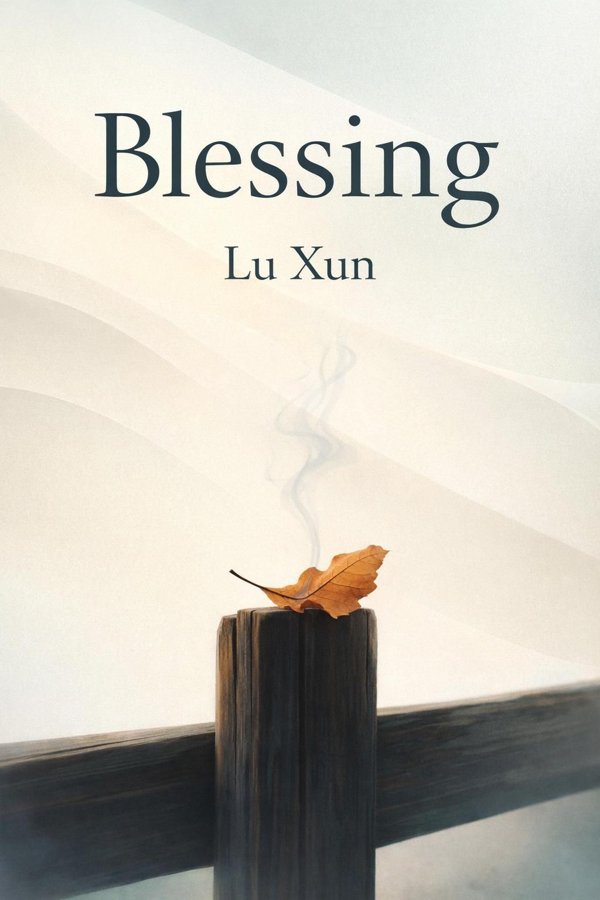
Blessing
Lu Xun’s “Blessing” is one of the most haunting short stories in modern Chinese literature, a work that turns a single woman’s tragedy into a sharp indictment of an entire social order. First publishe...
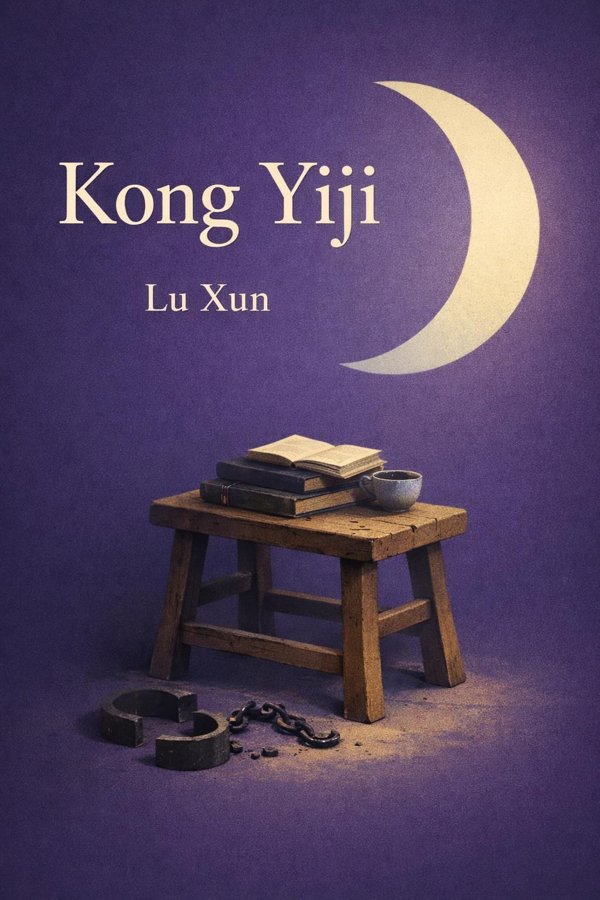
Kong Yiji
Lu Xun’s “Kong Yiji” is one of the most famous short stories in modern Chinese literature, and its power lies in how much it says with so little. Set in a village tavern and narrated by a young observ...
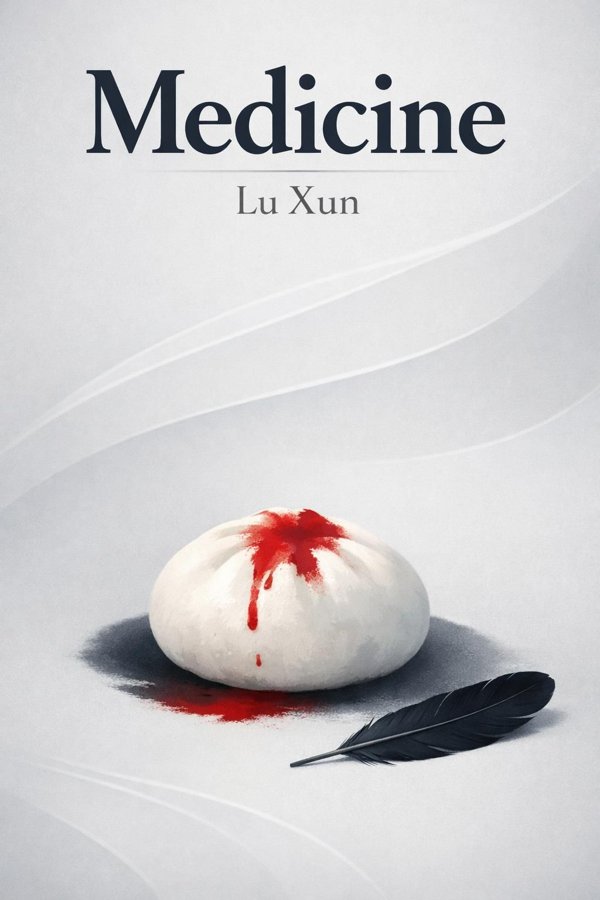
Medicine
What if the cure a society trusts most is actually part of its illness? Lu Xun’s “Medicine,” first published in 1919 in the landmark collection Call to Arms, is a brief but devastating story about ign...
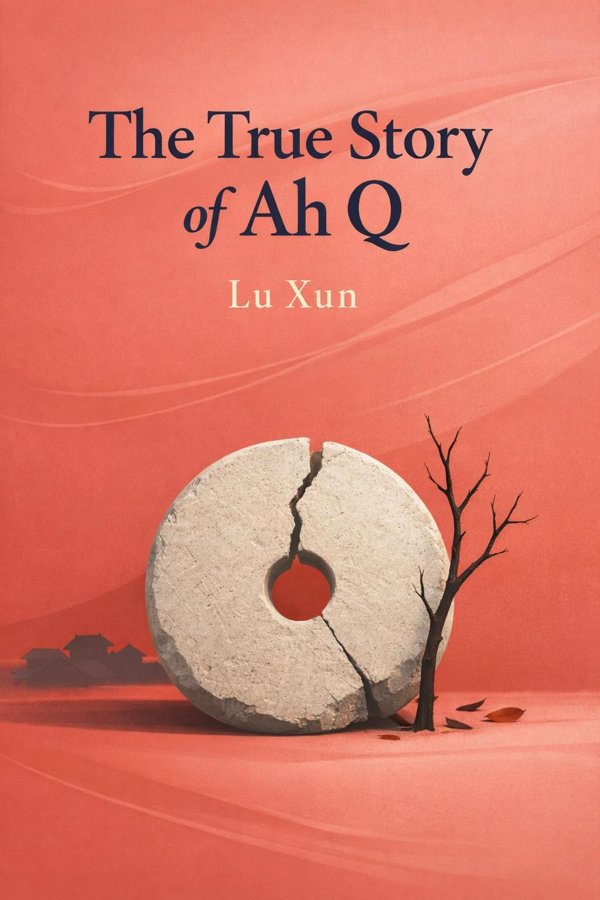
The True Story of Ah Q
The True Story of Ah Q is one of the sharpest and most influential works in modern Chinese literature. Written by Lu Xun and first serialized between 1921 and 1922, the novella follows Ah Q, a poor, d...
Key Insights from Lu Xun
Madness Can Reveal Social Truth
Sometimes the person labeled irrational is the only one willing to say what everyone else is hiding. In A Madman’s Diary, Lu Xun presents a narrator who believes that the people around him are cannibals. Taken literally, this sounds like delusion. Yet the power of the story lies in the possibility t...
From A Madman's Diary
Cannibalism as a Moral Metaphor
The most shocking images in literature often endure because they describe ordinary life in unbearable terms. In A Madman’s Diary, cannibalism is not simply horror for horror’s sake. Lu Xun uses it as a metaphor for a society in which people survive by consuming one another’s dignity, freedom, and hu...
From A Madman's Diary
Tradition Can Hide Systemic Violence
What a culture praises as order can sometimes be a method of control. One of Lu Xun’s central targets in A Madman’s Diary is not tradition in a simple or blanket sense, but the way inherited moral systems can legitimize cruelty. The madman believes that even the classics contain the message to “eat ...
From A Madman's Diary
Language Shapes What We Can See
Before people can change a broken world, they need words that make its brokenness visible. A Madman’s Diary is historically important not only for its content but also for its form. Lu Xun wrote it in vernacular Chinese rather than in the classical style long associated with elite learning. That cho...
From A Madman's Diary
Isolation Deepens Human Vulnerability
Oppression becomes more powerful when it convinces people they are alone. In A Madman’s Diary, the narrator’s terror grows because he cannot find trustworthy solidarity. He suspects his neighbors, fears his brother, and reads every social interaction as a sign of conspiracy. Whether his perceptions ...
From A Madman's Diary
Family Can Reflect Social Power
The family is often imagined as a place of care, but Lu Xun asks what happens when it also becomes a vehicle for fear and control. In A Madman’s Diary, the narrator’s suspicion extends to his own brother, making the domestic sphere feel dangerous rather than protective. This is not merely a detail o...
From A Madman's Diary
About Lu Xun
Lu Xun (1881–1936), born Zhou Shuren in Shaoxing, Zhejiang, is regarded as the father of modern Chinese literature. His works, known for their sharp social criticism and psychological depth, include Call to Arms, Wandering, and Old Tales Retold. Lu Xun’s influence on 20th-century Chinese thought and...
Read more
Lu Xun (1881–1936), born Zhou Shuren in Shaoxing, Zhejiang, is regarded as the father of modern Chinese literature. His works, known for their sharp social criticism and psychological depth, include Call to Arms, Wandering, and Old Tales Retold. Lu Xun’s influence on 20th-century Chinese thought and...
Lu Xun (1881–1936), born Zhou Shuren in Shaoxing, Zhejiang, is regarded as the father of modern Chinese literature. His works, known for their sharp social criticism and psychological depth, include Call to Arms, Wandering, and Old Tales Retold. Lu Xun’s influence on 20th-century Chinese thought and literature remains profound.





Frequently Asked Questions
Lu Xun (1881–1936), born Zhou Shuren in Shaoxing, Zhejiang, is regarded as the father of modern Chinese literature. His works, known for their sharp social criticism and psychological depth, include Call to Arms, Wandering, and Old Tales Retold.
Read Lu Xun's books in 15 minutes
Get AI-powered summaries with key insights from 5 books by Lu Xun.