
Joseph LeDoux Books
Joseph LeDoux is an American neuroscientist known for his pioneering research on the brain mechanisms of emotion, particularly fear and anxiety. He is a professor at New York University and director of the Emotional Brain Institute.
Known for: Anxious, Synaptic Self: How Our Brains Become Who We Are, The Deep History of Ourselves: The Four-Billion-Year Story of How We Got Conscious Brains, The Emotional Brain: The Mysterious Underpinnings of Emotional Life
Books by Joseph LeDoux
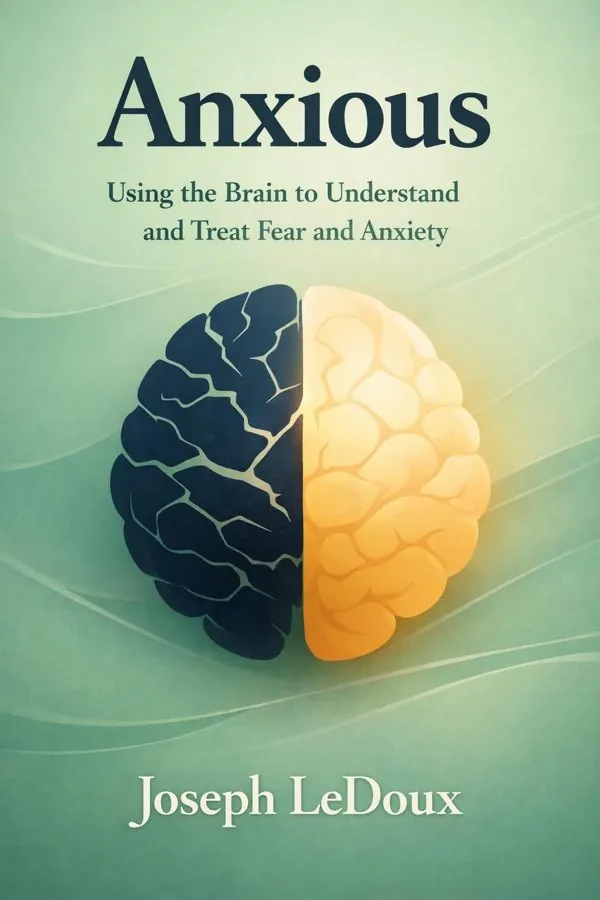
Anxious
Anxiety can feel deeply personal, but Joseph LeDoux shows that it is also profoundly biological. In Anxious, the renowned neuroscientist explores how the brain detects danger, stores threat memories, ...
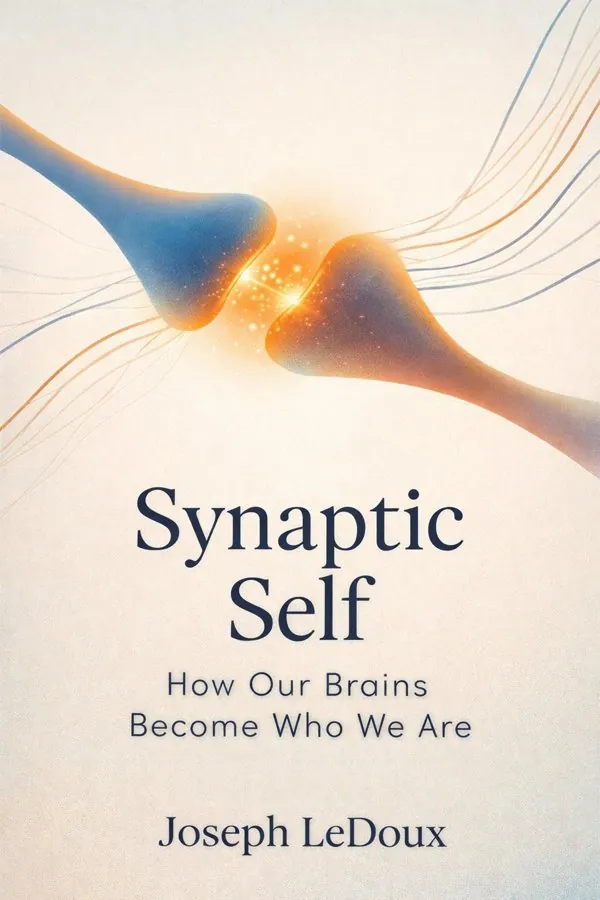
Synaptic Self: How Our Brains Become Who We Are
What makes you the particular person you are? Joseph LeDoux’s Synaptic Self argues that the answer lies not in an immaterial essence, but in the living circuitry of the brain. In this ambitious and ac...
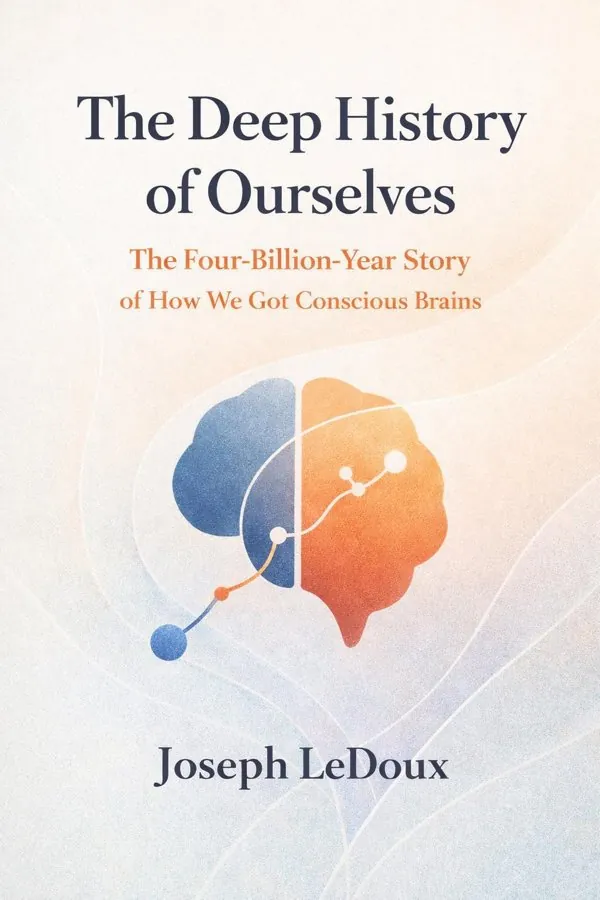
The Deep History of Ourselves: The Four-Billion-Year Story of How We Got Conscious Brains
How did a planet once populated only by simple cells eventually produce creatures capable of fear, memory, language, self-reflection, and consciousness? In The Deep History of Ourselves, neuroscientis...
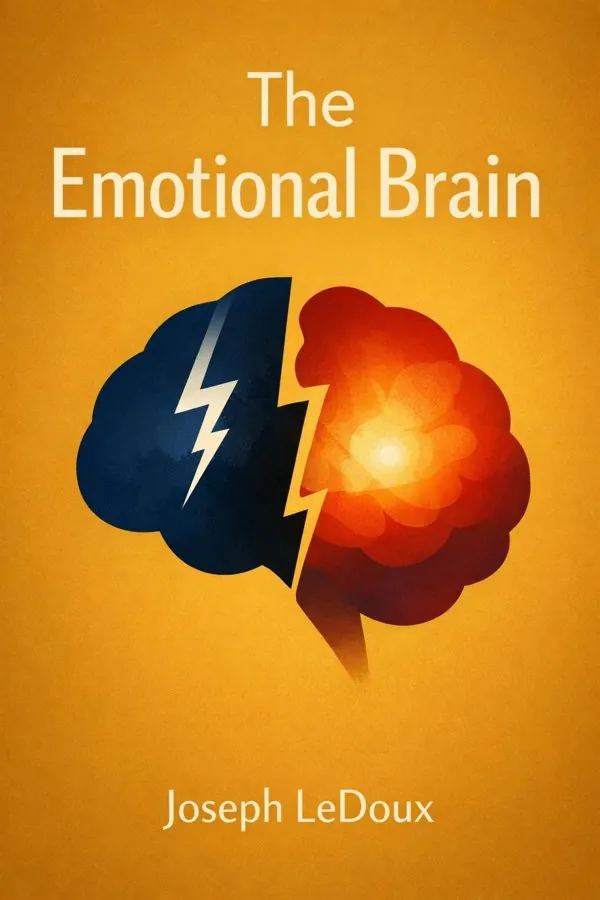
The Emotional Brain: The Mysterious Underpinnings of Emotional Life
In this groundbreaking work, neuroscientist Joseph LeDoux explores how emotions are created in the brain, focusing on the mechanisms of fear and the amygdala’s role in emotional processing. Drawing on...
Key Insights from Joseph LeDoux
Fear and Anxiety Need Clear Definitions
One of the biggest obstacles to understanding anxiety is that we often use the same word for very different processes. LeDoux argues that science has been slowed by this conceptual blur. In everyday language, we say we are “afraid” when our heart races, when we avoid a crowded room, when we panic be...
From Anxious
The Amygdala Learns Threats Fast
A simple tone paired with a mild shock can teach an animal to freeze in anticipation—and that elegant experiment helped transform modern neuroscience. LeDoux’s work on threat conditioning showed that the amygdala plays a central role in detecting learned danger and triggering defensive responses. Th...
From Anxious
Survival Circuits Are Not Feelings
We often assume that if the brain triggers a defensive response, the feeling of fear must already exist. LeDoux argues this assumption is mistaken. The body can mobilize for survival without a fully formed conscious emotion. A rustle in the dark may make you jump before you know whether it is a burg...
From Anxious
Evolution Made Anxiety Both Useful and Costly
The very trait that lets humans plan, imagine, and prepare also makes us vulnerable to chronic distress. LeDoux shows that anxiety is not a design flaw added to an otherwise rational mind. It is an outgrowth of evolved survival systems combined with advanced cognition. Animals need mechanisms to det...
From Anxious
Conscious Emotion Is Constructed, Not Released
Many people imagine emotions as things hidden inside the brain, waiting to be triggered like buttons. LeDoux offers a more nuanced view: conscious feelings are constructed mental experiences, not simple products of one dedicated emotional center. Fear is not merely “released” by the amygdala. Instea...
From Anxious
Anxiety Disorders Involve Memory and Meaning
Anxiety disorders are not just exaggerated reactions to danger; they are patterns of learning, memory, and interpretation that become self-reinforcing. LeDoux emphasizes that once threat associations form, they can spread beyond their original trigger. A person frightened in one elevator may start f...
From Anxious
About Joseph LeDoux
Joseph LeDoux is an American neuroscientist known for his pioneering research on the brain mechanisms of emotion, particularly fear and anxiety. He is a professor at New York University and director of the Emotional Brain Institute. His work has significantly influenced modern understanding of how e...
Read more
Joseph LeDoux is an American neuroscientist known for his pioneering research on the brain mechanisms of emotion, particularly fear and anxiety. He is a professor at New York University and director of the Emotional Brain Institute. His work has significantly influenced modern understanding of how e...
Joseph LeDoux is an American neuroscientist known for his pioneering research on the brain mechanisms of emotion, particularly fear and anxiety. He is a professor at New York University and director of the Emotional Brain Institute. His work has significantly influenced modern understanding of how emotions are processed in the brain.


Frequently Asked Questions
Joseph LeDoux is an American neuroscientist known for his pioneering research on the brain mechanisms of emotion, particularly fear and anxiety. He is a professor at New York University and director of the Emotional Brain Institute.
Read Joseph LeDoux's books in 15 minutes
Get AI-powered summaries with key insights from 4 books by Joseph LeDoux.