
James Shapiro Books
James Shapiro is a professor of English and Comparative Literature at Columbia University and one of the leading Shakespeare scholars in the United States. He is known for works such as '1599: A Year in the Life of William Shakespeare' and 'The Year of Lear: Shakespeare in 1606', both of which won major literary awards.
Known for: A Year in the Life of William Shakespeare: 1599, Shakespeare in a Divided America: What His Plays Tell Us About Our Past and Future
Books by James Shapiro
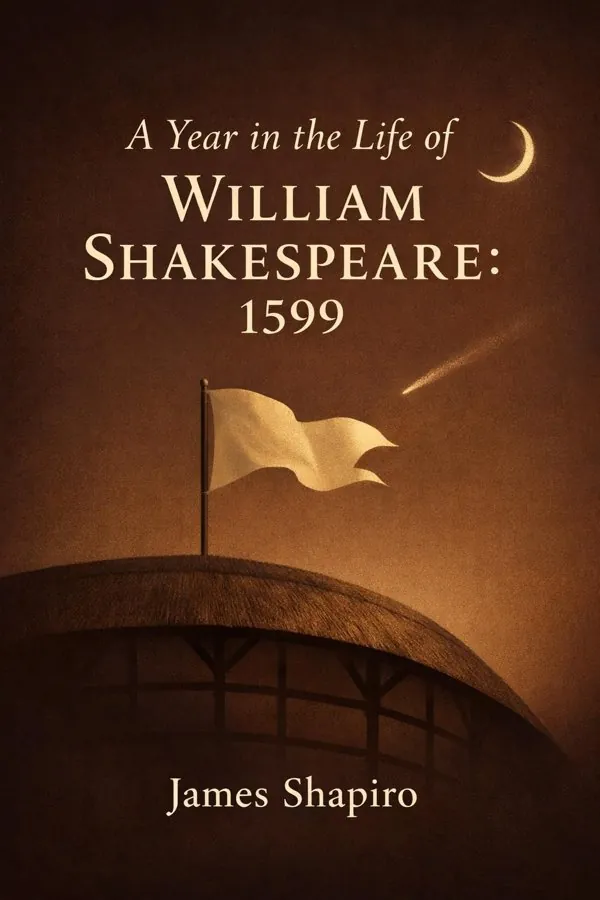
A Year in the Life of William Shakespeare: 1599
In this acclaimed work of literary history, James Shapiro reconstructs the pivotal year 1599 in the life of William Shakespeare, when the playwright wrote some of his most enduring works, including 'H...
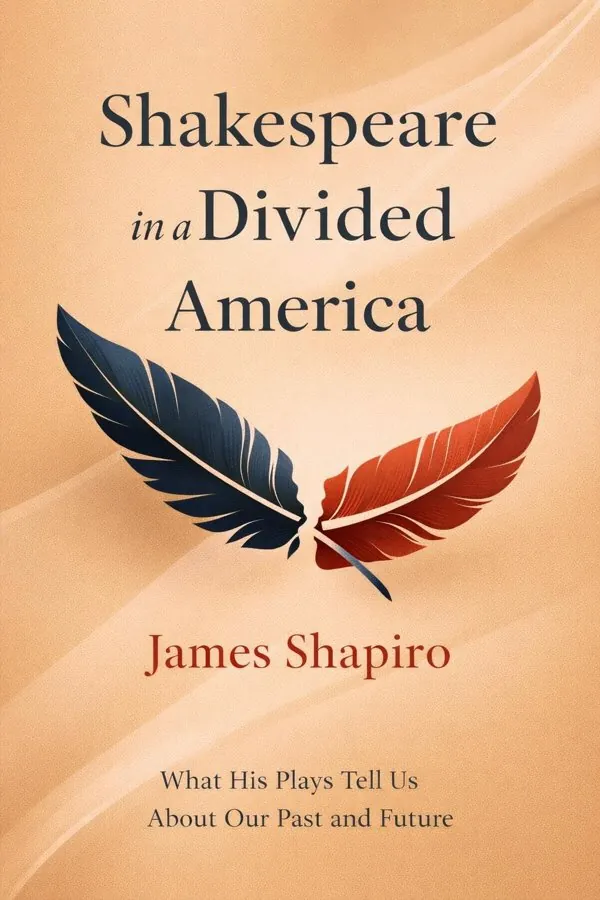
Shakespeare in a Divided America: What His Plays Tell Us About Our Past and Future
A timely exploration by Shakespeare scholar James Shapiro of how the plays of William Shakespeare have reflected and shaped American political and cultural divisions from the founding era to the prese...
Key Insights from James Shapiro
The Globe Theatre: Rebuilding a World
The Globe was born not from opportunity alone, but from crisis. When the lease on the Lord Chamberlain’s Men’s previous playhouse, The Theatre, expired late in 1598, the actors faced ruin. Yet what followed was both audacious and emblematic of Shakespeare’s epoch. In the dead of winter, the company ...
From A Year in the Life of William Shakespeare: 1599
Henry V: War, Leadership, and Identity
In *Henry V*, Shakespeare captured a nation’s dream of unity at a moment when disunity threatened everywhere. The play’s central figure, King Henry, embodies decisive leadership and national purpose—qualities England sought but scarcely found as Essex’s forces faltered in Ireland. The resonance betw...
From A Year in the Life of William Shakespeare: 1599
Early Republic and John Quincy Adams
In the early decades of the Republic, Shakespeare stood as a paradoxical cultural figure. He was the Old World poet par excellence, yet no American writer could yet rival his breadth or linguistic power. Figures like John Quincy Adams wrestled with what that meant. Adams was among the most erudite o...
From Shakespeare in a Divided America: What His Plays Tell Us About Our Past and Future
Abraham Lincoln and the Civil War Era
Few presidents read Shakespeare as deeply as Abraham Lincoln. During the crisis of the Union, Lincoln found solace and reckoning in the tragedies, particularly *Macbeth* and *Hamlet*. He quoted them in his letters and even in everyday conversation. To me, Lincoln’s engagement with these works reveal...
From Shakespeare in a Divided America: What His Plays Tell Us About Our Past and Future
About James Shapiro
James Shapiro is a professor of English and Comparative Literature at Columbia University and one of the leading Shakespeare scholars in the United States. He is known for works such as '1599: A Year in the Life of William Shakespeare' and 'The Year of Lear: Shakespeare in 1606', both of which won m...
Read more
James Shapiro is a professor of English and Comparative Literature at Columbia University and one of the leading Shakespeare scholars in the United States. He is known for works such as '1599: A Year in the Life of William Shakespeare' and 'The Year of Lear: Shakespeare in 1606', both of which won m...
James Shapiro is a professor of English and Comparative Literature at Columbia University and one of the leading Shakespeare scholars in the United States. He is known for works such as '1599: A Year in the Life of William Shakespeare' and 'The Year of Lear: Shakespeare in 1606', both of which won major literary awards.


Frequently Asked Questions
James Shapiro is a professor of English and Comparative Literature at Columbia University and one of the leading Shakespeare scholars in the United States. He is known for works such as '1599: A Year in the Life of William Shakespeare' and 'The Year of Lear: Shakespeare in 1606', both of which won major literary awards.
Read James Shapiro's books in 15 minutes
Get AI-powered summaries with key insights from 2 books by James Shapiro.