
James A. Robinson Books
Robinson is a political scientist and economist, currently a professor at the University of Chicago, recognized for his work on comparative political and economic development.
Known for: The Narrow Corridor: States, Societies, and the Fate of Liberty, Why Nations Fail: The Origins of Power, Prosperity, and Poverty, Why States Fail: The Origins of Power, Prosperity, and Poverty
Books by James A. Robinson
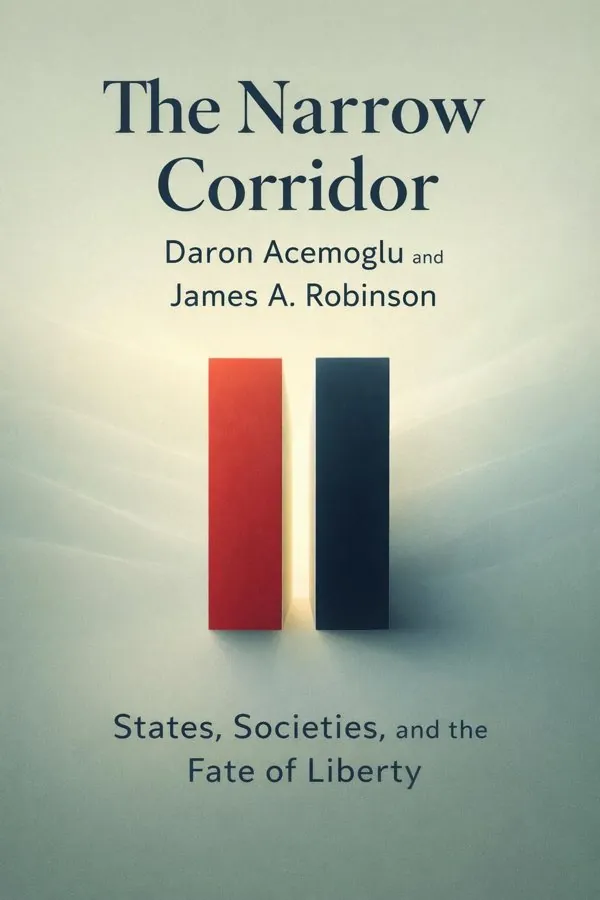
The Narrow Corridor: States, Societies, and the Fate of Liberty
In this influential work, economists Daron Acemoglu and political scientist James A. Robinson explore the delicate balance between state power and social strength that sustains liberty. They argue tha...
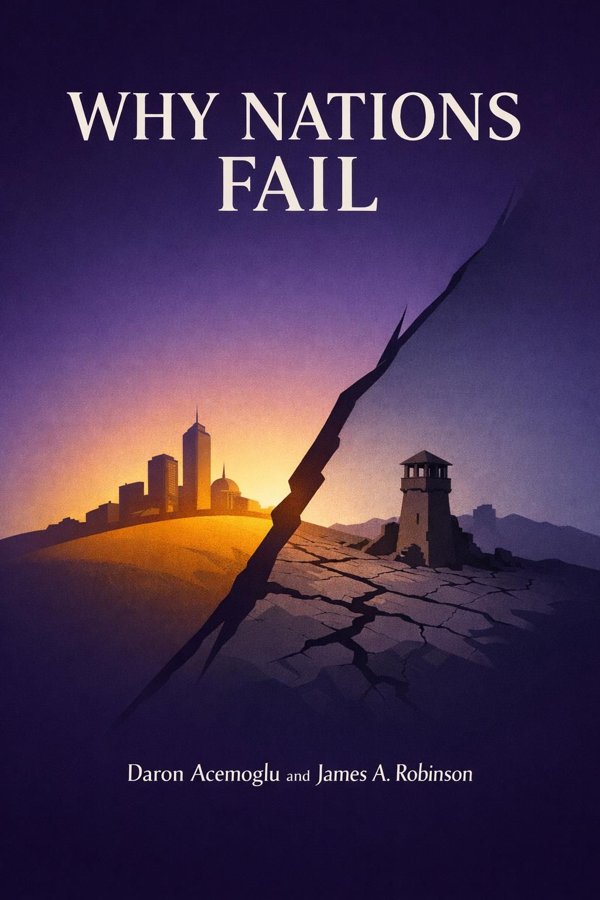
Why Nations Fail: The Origins of Power, Prosperity, and Poverty
Why Nations Fail explores the fundamental reasons behind the success or failure of nations, arguing that political and economic institutions are the key determinants of prosperity. The authors contend...
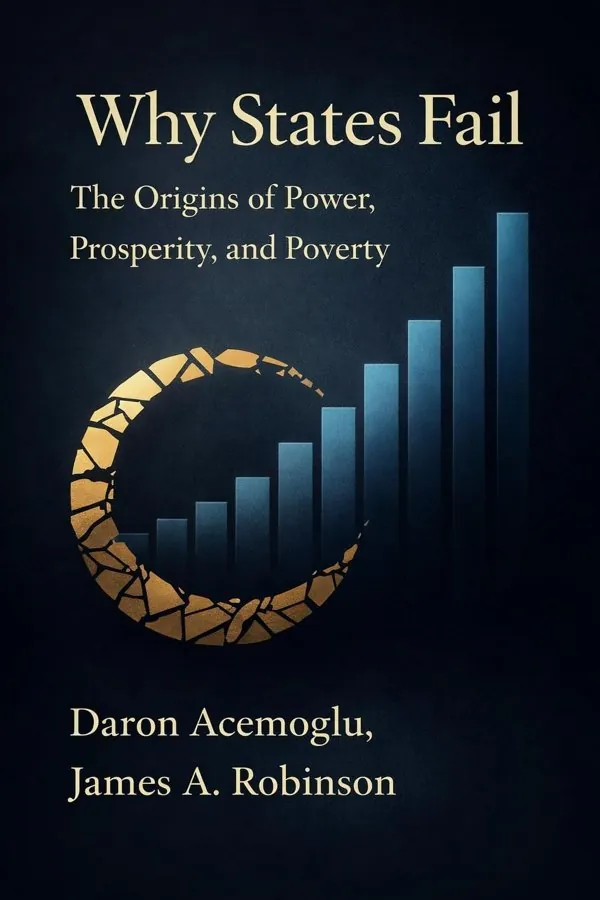
Why States Fail: The Origins of Power, Prosperity, and Poverty
Why do some countries generate sustained prosperity while others remain stuck in corruption, instability, and poverty? In Why States Fail, economist Daron Acemoglu and political scientist James A. Rob...
Key Insights from James A. Robinson
The Balance Between State and Society: The Roots of Liberty
Let us begin with the fundamental idea. Throughout human history, the relationship between the state and society has been deeply ambivalent. A strong state can protect citizens, enforce laws, build infrastructure, and create stability. Yet, the same strength can crush dissent and turn the ruler into...
From The Narrow Corridor: States, Societies, and the Fate of Liberty
From Absent to Despotic Leviathan: Lessons from History
History offers a panorama of failed attempts to secure liberty. Every civilization has wrestled with the problem of how much power the state should hold. We can categorize their failures into two broad types: the absent Leviathan and the despotic Leviathan. The absent Leviathan describes societies ...
From The Narrow Corridor: States, Societies, and the Fate of Liberty
Conceptual Framework
Our first task is clarity. Before we can trace the causes of prosperity and poverty, we must define the institutional structures that sustain them. We draw a sharp distinction between two archetypes: inclusive and extractive institutions. An inclusive economic institution is like fertile soil—it nur...
From Why Nations Fail: The Origins of Power, Prosperity, and Poverty
Historical Origins
History shows us this institutional logic in action. Consider the Americas after European colonization. The Spanish built extractive systems in their colonies: forced labor under encomienda and later hacienda systems, where indigenous and African populations were ruthlessly exploited. These arrangem...
From Why Nations Fail: The Origins of Power, Prosperity, and Poverty
Institutions Shape National Destiny
A nation’s future is rarely determined by luck alone; it is built into the rules that govern who gets power, who gets opportunity, and who gets rewarded. Acemoglu and Robinson argue that the deepest dividing line between prosperous and poor countries is institutional. They distinguish between inclus...
From Why States Fail: The Origins of Power, Prosperity, and Poverty
History Leaves Deep Institutional Tracks
Prosperity often looks modern, but its roots are usually historical. One of the book’s central claims is that today’s inequality among nations can only be understood by tracing how institutions evolved over centuries. Colonialism provides some of the clearest examples. In many parts of Latin America...
From Why States Fail: The Origins of Power, Prosperity, and Poverty
About James A. Robinson
Robinson is a political scientist and economist, currently a professor at the University of Chicago, recognized for his work on comparative political and economic development.


Frequently Asked Questions
Robinson is a political scientist and economist, currently a professor at the University of Chicago, recognized for his work on comparative political and economic development.
Read James A. Robinson's books in 15 minutes
Get AI-powered summaries with key insights from 3 books by James A. Robinson.