
J. M. Coetzee Books
John Maxwell Coetzee is a South African-born novelist, essayist, linguist, and Nobel Prize laureate in Literature (2003). Known for his precise prose and moral intensity, Coetzee’s works often examine the human condition under systems of oppression and the ethical dilemmas of complicity and resistance.
Known for: Elizabeth Costello, Foe, Life & Times of Michael K, Waiting for the Barbarians
Books by J. M. Coetzee
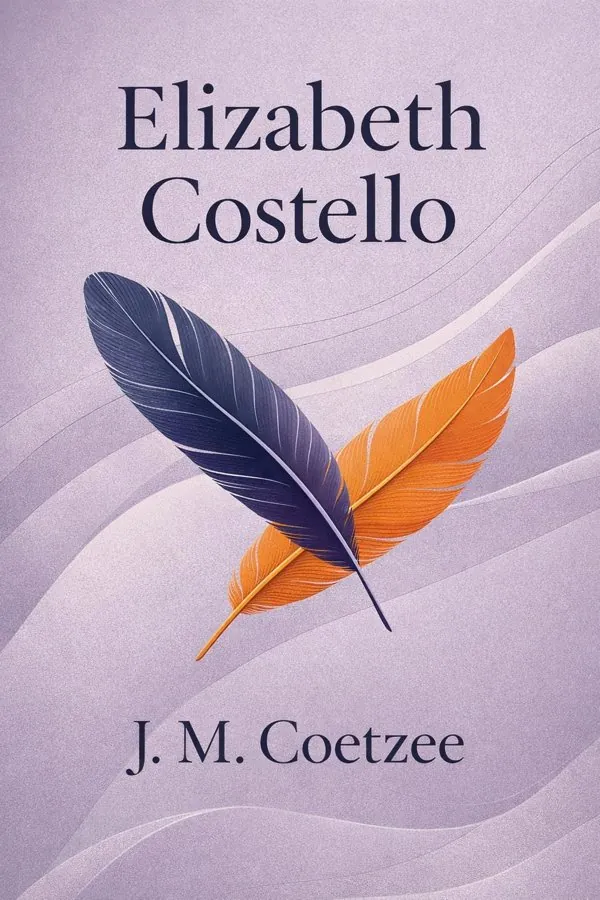
Elizabeth Costello
Elizabeth Costello is J. M. Coetzee’s daring and unsettling novel about an aging Australian writer whose public lectures become stages for some of the hardest questions a human being can ask. As Coste...
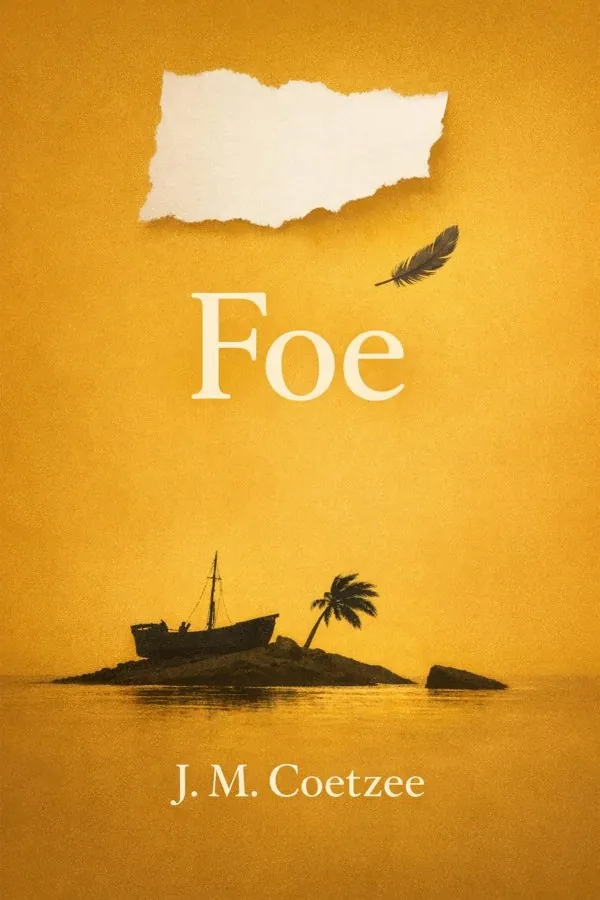
Foe
J. M. Coetzee’s Foe is a brilliant and unsettling reimagining of Daniel Defoe’s Robinson Crusoe, but it is far more than a literary retelling. First published in 1986, the novel follows Susan Barton, ...

Life & Times of Michael K
Set in a South Africa fractured by war, bureaucracy, and suspicion, Life & Times of Michael K tells the story of a man who appears insignificant to everyone but himself. Michael K, a quiet gardener bo...
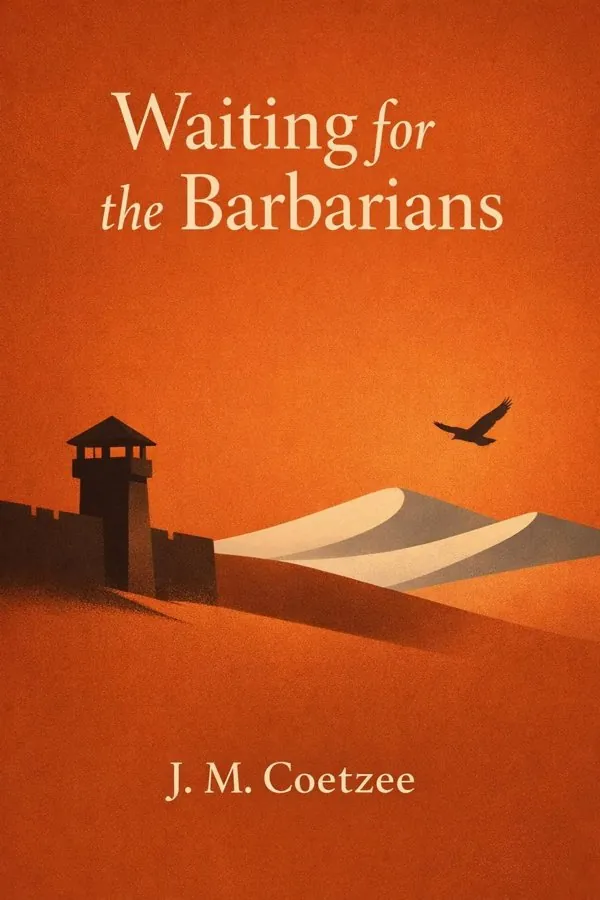
Waiting for the Barbarians
J. M. Coetzee’s Waiting for the Barbarians is a haunting novel about what happens when political power feeds on fear. Set in a remote frontier settlement of an unnamed empire, the story follows an agi...
Key Insights from J. M. Coetzee
The Intellectual Persona Is Never Stable
Public recognition often reveals uncertainty more sharply than failure does. In Elizabeth Costello, an aging novelist is repeatedly invited to speak as if she were an authority whose wisdom has already been settled. Yet each appearance exposes the gap between a celebrated public persona and the frag...
From Elizabeth Costello
Realism Depends on Recognition and Exclusion
What feels realistic in art is often just what a culture has learned to recognize. Costello’s reflections on literature suggest that realism is not a transparent window onto the world but a convention shaped by habit, expectation, and power. Readers call a story believable when its details fit famil...
From Elizabeth Costello
Animal Suffering Tests Human Moral Imagination
A society may pride itself on reason and progress while tolerating routine cruelty it refuses to see. One of the book’s most famous and disturbing sections centers on Costello’s lectures about animals. She asks her audience to confront industrial slaughter not as an abstract policy issue but as a mo...
From Elizabeth Costello
Reason Alone Cannot Carry Ethical Life
The deepest moral truths may become invisible when we insist on arguing only in the language of logic. Costello repeatedly frustrates those who want her to defend her positions through rigorous philosophical proof. She can reason, but she also senses that ethical life cannot be reduced to winning ar...
From Elizabeth Costello
Faith and Skepticism Can Coexist Uneasily
A person may reject religious certainty and still remain haunted by religious questions. In the sections involving Costello’s relationship to belief, Coetzee explores a condition familiar to many modern readers: not simple faith, and not simple unbelief, but restless exposure to both. Costello does ...
From Elizabeth Costello
Representing Evil Risks Reproducing It
Not everything that can be shown should be shown without moral hesitation. In her reflections on evil, Costello raises a disturbing question about literature and art: when creators depict cruelty, degradation, or monstrosity, do they illuminate evil or participate in it? Coetzee refuses the easy ans...
From Elizabeth Costello
About J. M. Coetzee
John Maxwell Coetzee is a South African-born novelist, essayist, linguist, and Nobel Prize laureate in Literature (2003). Known for his precise prose and moral intensity, Coetzee’s works often examine the human condition under systems of oppression and the ethical dilemmas of complicity and resistan...
Read more
John Maxwell Coetzee is a South African-born novelist, essayist, linguist, and Nobel Prize laureate in Literature (2003). Known for his precise prose and moral intensity, Coetzee’s works often examine the human condition under systems of oppression and the ethical dilemmas of complicity and resistan...
John Maxwell Coetzee is a South African-born novelist, essayist, linguist, and Nobel Prize laureate in Literature (2003). Known for his precise prose and moral intensity, Coetzee’s works often examine the human condition under systems of oppression and the ethical dilemmas of complicity and resistance.





Frequently Asked Questions
John Maxwell Coetzee is a South African-born novelist, essayist, linguist, and Nobel Prize laureate in Literature (2003). Known for his precise prose and moral intensity, Coetzee’s works often examine the human condition under systems of oppression and the ethical dilemmas of complicity and resistance.
Read J. M. Coetzee's books in 15 minutes
Get AI-powered summaries with key insights from 4 books by J. M. Coetzee.