

Heinrich Böll Books
Heinrich Böll (1917–1985) was a German writer and Nobel Prize laureate in Literature. He is regarded as one of the most significant postwar authors, known for his critical engagement with German society and its moral values.
Known for: Billiards at Half-Past Nine, The Clown, The Lost Honor of Katharina Blum: Or: How Violence Develops and Where It Can Lead, The Safety Net, The Silent Angel
Books by Heinrich Böll
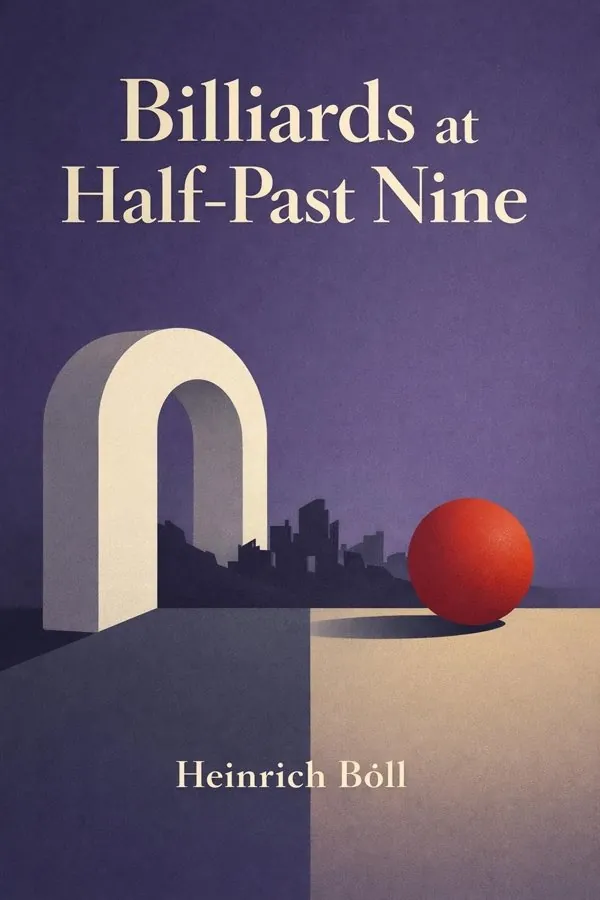
Billiards at Half-Past Nine
Billiards at Half-Past Nine is Heinrich Böll’s profound 1959 novel about memory, guilt, and moral survival in postwar Germany. Set across a single day—September 6, 1958, the eightieth birthday of arch...
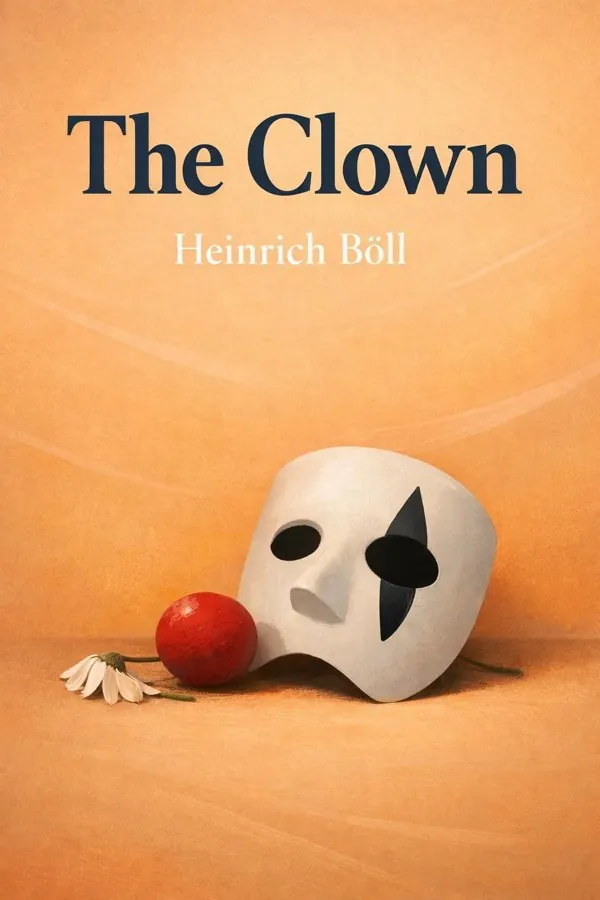
The Clown
Heinrich Böll’s The Clown is a sharp, intimate, and unsettling portrait of a man collapsing under the pressure of love, memory, and social hypocrisy. The novel follows Hans Schnier, a professional clo...
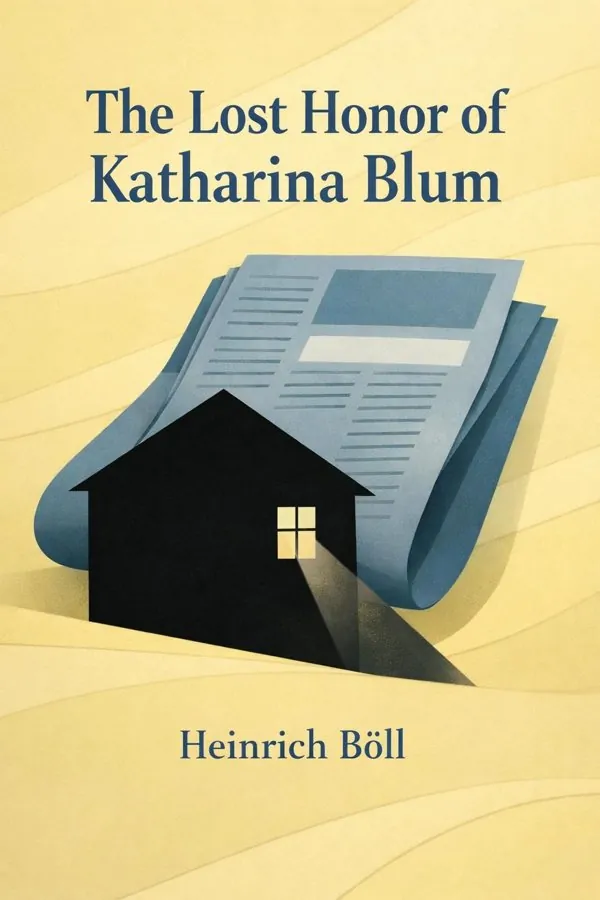
The Lost Honor of Katharina Blum: Or: How Violence Develops and Where It Can Lead
Heinrich Böll’s The Lost Honor of Katharina Blum is a short novel with the force of an indictment. It begins with a seemingly ordinary woman and shows, step by step, how her life is wrecked by a sensa...
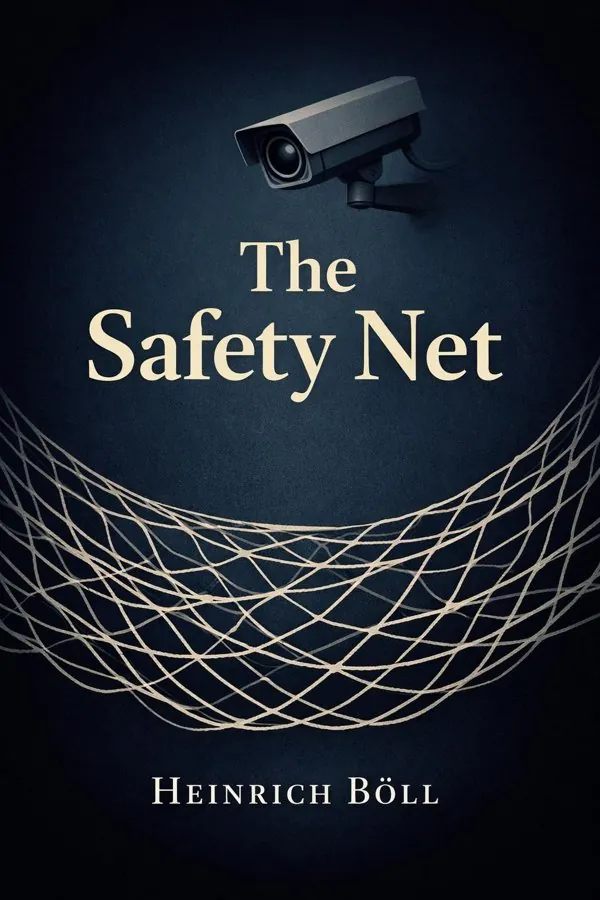
The Safety Net
The Safety Net is a novel by Nobel Prize-winning author Heinrich Böll, first published in English in 1979. It explores the pervasive atmosphere of surveillance and control in modern society, focusing ...
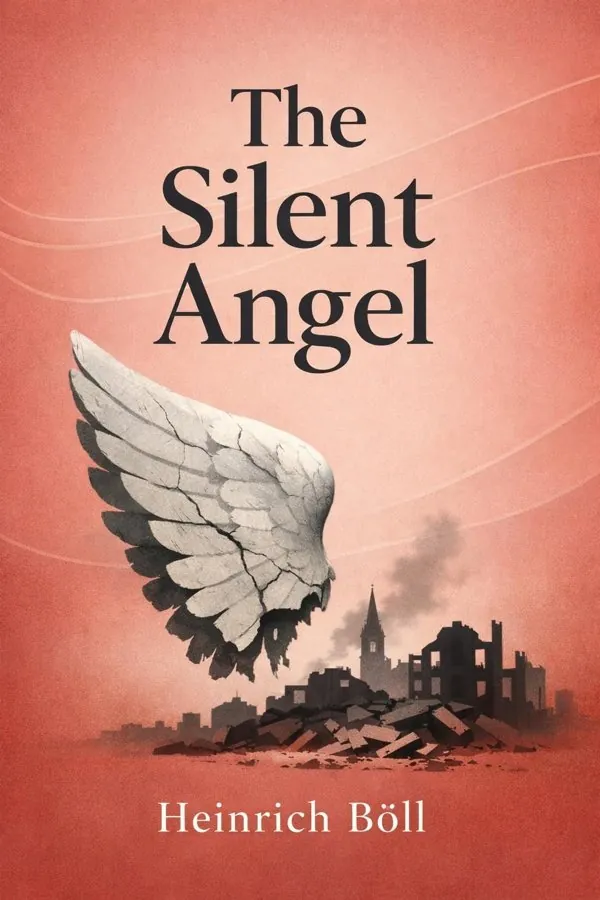
The Silent Angel
The Silent Angel is Heinrich Böll’s haunting early novel about what remains of a human being after war has stripped away certainty, dignity, and belonging. Written in 1949, just a few years after the ...
Key Insights from Heinrich Böll
One Day Can Hold Decades
A single day can contain an entire century when memory refuses to stay buried. Böll structures Billiards at Half-Past Nine around September 6, 1958, the eightieth birthday of Heinrich Fähmel. On paper, almost nothing extraordinary happens: appointments are kept, family members move through the city,...
From Billiards at Half-Past Nine
Heinrich Fähmel and Built Ideals
What we build often reveals what we worship. Heinrich Fähmel, the family patriarch, is an architect whose life is bound to St. Anthony’s Abbey, the building that symbolizes both artistic achievement and moral burden. For Heinrich, architecture once represented order, discipline, permanence, and perh...
From Billiards at Half-Past Nine
Robert’s Rituals Hide Moral Wounds
Routine is often less about order than about survival. Robert Fähmel, Heinrich’s son, is one of the novel’s most compelling figures precisely because he appears so controlled. His daily ritual of playing billiards at half-past nine is not a quirky habit but a shield—a carefully maintained space in w...
From Billiards at Half-Past Nine
Johanna and Schrella Resist Silence
The most morally lucid people are often the ones society labels difficult, unstable, or inconvenient. In Billiards at Half-Past Nine, Johanna Fähmel and the outsider Schrella embody forms of resistance that refuse the comforting language of forgetting. Johanna, especially, is one of Böll’s sharpest ...
From Billiards at Half-Past Nine
Memory Competes With Comfortable Forgetting
Societies rarely forget by accident; they often forget because forgetting is useful. One of Böll’s central insights is that postwar reconstruction does not automatically produce moral reconstruction. Roads can be repaired, churches rebuilt, businesses reopened, and family routines resumed while deep...
From Billiards at Half-Past Nine
Private Lives Mirror National History
History is easiest to misunderstand when it is told only in slogans, dates, and official events. Böll counters that abstraction by embedding Germany’s twentieth-century crises within family life. The Fähmels are not political leaders or military strategists. They are a family of professionals, spous...
From Billiards at Half-Past Nine
About Heinrich Böll
Heinrich Böll (1917–1985) was a German writer and Nobel Prize laureate in Literature. He is regarded as one of the most significant postwar authors, known for his critical engagement with German society and its moral values.




Frequently Asked Questions
Heinrich Böll (1917–1985) was a German writer and Nobel Prize laureate in Literature. He is regarded as one of the most significant postwar authors, known for his critical engagement with German society and its moral values.
Read Heinrich Böll's books in 15 minutes
Get AI-powered summaries with key insights from 5 books by Heinrich Böll.