
Geraldine Brooks Books
Geraldine Brooks is an Australian-American journalist and novelist, known for her historical fiction works such as 'Year of Wonders', 'People of the Book', and 'Caleb’s Crossing'. She won the Pulitzer Prize for Fiction in 2006 for 'March'.
Known for: Caleb’s Crossing, March, The Secret Chord, Year of Wonders: A Novel of the Plague
Books by Geraldine Brooks
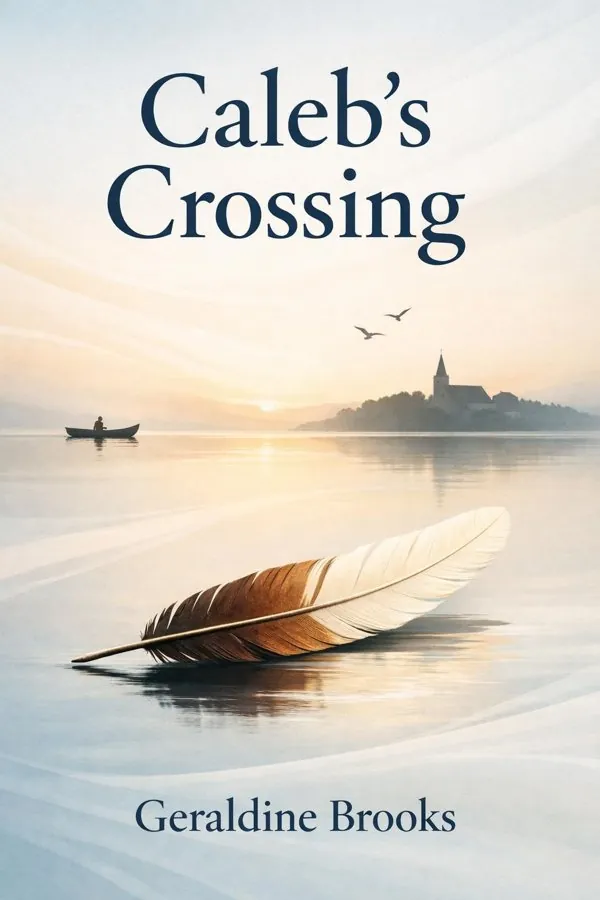
Caleb’s Crossing
Geraldine Brooks’s Caleb’s Crossing is a richly imagined historical novel set in seventeenth-century colonial New England, where faith, power, learning, and survival are in constant conflict. At its c...
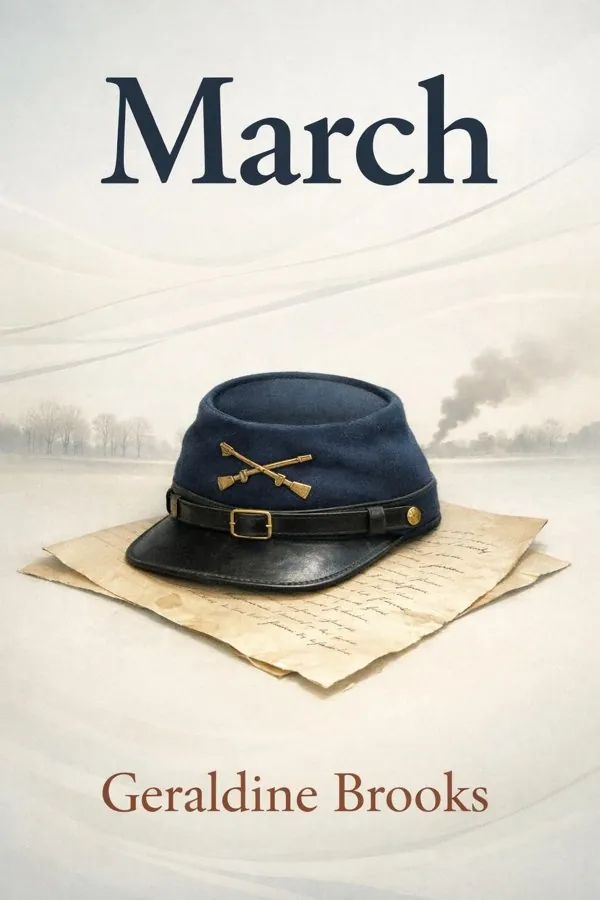
March
Geraldine Brooks’s March takes a familiar literary shadow and turns it into a fully realized, deeply human story. Inspired by the absent father in Louisa May Alcott’s Little Women, the novel follows M...
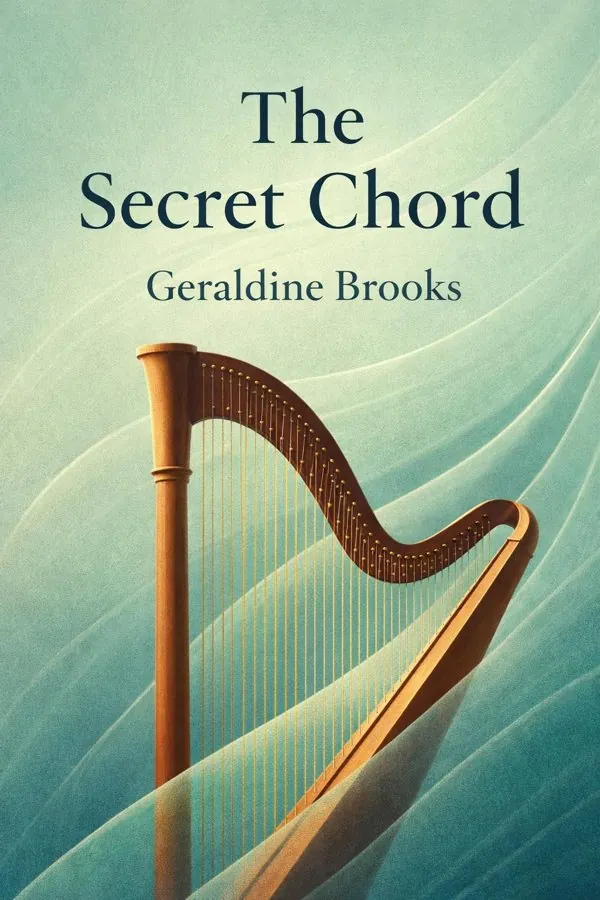
The Secret Chord
Geraldine Brooks’s The Secret Chord is a bold, lyrical reimagining of the life of King David, one of the most celebrated and troubling figures in biblical literature. Rather than presenting David as a...
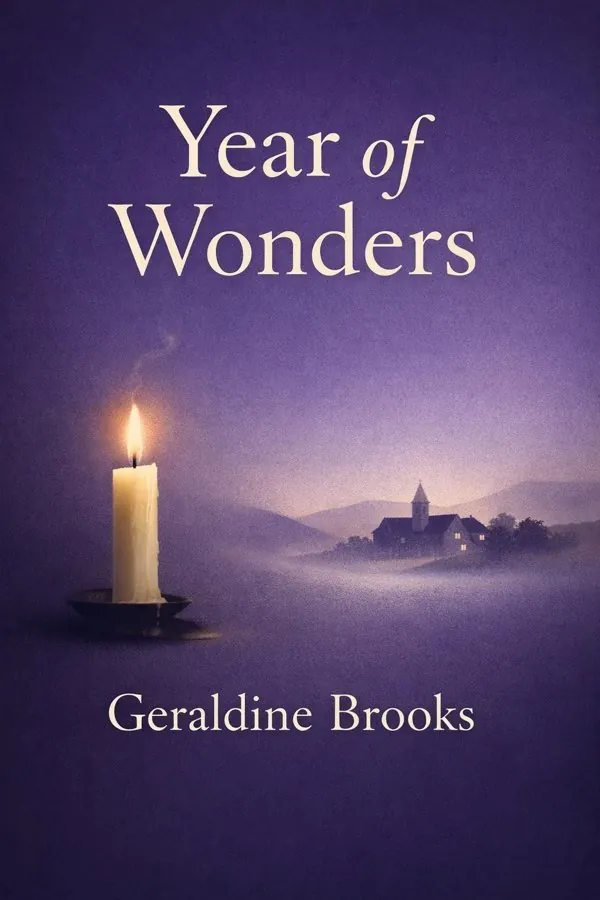
Year of Wonders: A Novel of the Plague
What happens when an ordinary community is asked to choose sacrifice over self-preservation? Geraldine Brooks’s Year of Wonders: A Novel of the Plague answers that question through the unforgettable s...
Key Insights from Geraldine Brooks
Bethia’s Confined World and Quiet Rebellion
Sometimes the most radical act is not open defiance, but refusing to let your mind be conquered. Bethia Mayfield begins Caleb’s Crossing as a young woman trapped inside the narrow expectations of Puritan colonial life. As the daughter of a minister, she is expected to be obedient, pious, and silent ...
From Caleb’s Crossing
Caleb as a Bridge Between Worlds
A person who moves between cultures often carries both extraordinary possibility and profound burden. Caleb, known originally as Cheeshahteaumauk, enters Bethia’s life as far more than a symbol of difference. He is intelligent, spiritually grounded, observant, and deeply shaped by Wampanoag traditio...
From Caleb’s Crossing
Education as Power and Exclusion
Education can liberate, but in unequal societies it also reveals who is deemed fully human. One of the most striking threads in Caleb’s Crossing is the role of learning as both an opening and a barrier. Harvard, still young in the novel’s historical setting, stands as a symbol of intellectual aspira...
From Caleb’s Crossing
Loss, Labor, and the Discipline of Survival
Great suffering often strips away illusion, revealing both the cruelty of a society and the strength required to endure it. Midway through Caleb’s Crossing, Bethia’s life is transformed by grief, disruption, and hard labor. Personal losses accumulate, and the relative protection of her family positi...
From Caleb’s Crossing
Faith, Doubt, and Moral Complexity
Belief becomes dangerous when certainty leaves no room for humility. Religion saturates Caleb’s Crossing, but Brooks treats faith not as a simple target of criticism nor as a pure source of comfort. Instead, she shows how spiritual conviction can inspire discipline, meaning, and sacrifice while also...
From Caleb’s Crossing
Women’s Knowledge in a Male World
A society may rely on women’s intelligence while refusing to acknowledge it. One of the quiet triumphs of Caleb’s Crossing is the way Brooks centers female thought in a world that systematically minimizes women. Bethia is not formally educated like her brother or the men at Harvard, yet she is obser...
From Caleb’s Crossing
About Geraldine Brooks
Geraldine Brooks is an Australian-American journalist and novelist, known for her historical fiction works such as 'Year of Wonders', 'People of the Book', and 'Caleb’s Crossing'. She won the Pulitzer Prize for Fiction in 2006 for 'March'.





Frequently Asked Questions
Geraldine Brooks is an Australian-American journalist and novelist, known for her historical fiction works such as 'Year of Wonders', 'People of the Book', and 'Caleb’s Crossing'. She won the Pulitzer Prize for Fiction in 2006 for 'March'.
Read Geraldine Brooks's books in 15 minutes
Get AI-powered summaries with key insights from 4 books by Geraldine Brooks.