
David McRaney Books
David McRaney es periodista, escritor y podcaster estadounidense. Es conocido por su trabajo en psicología popular y ciencia del comportamiento, especialmente por su serie de libros y el podcast 'You Are Not So Smart'.
Known for: How Minds Change: The Surprising Science of Belief, Opinion, and Persuasion, You Are Not So Smart: Why You Have Too Many Friends on Facebook, Why Your Memory Is Mostly Fiction, and 46 Other Ways You're Deluding Yourself, You Are Now Less Dumb: How to Conquer Mob Mentality, How to Buy Happiness, and All the Other Ways to Outsmart Yourself
Books by David McRaney
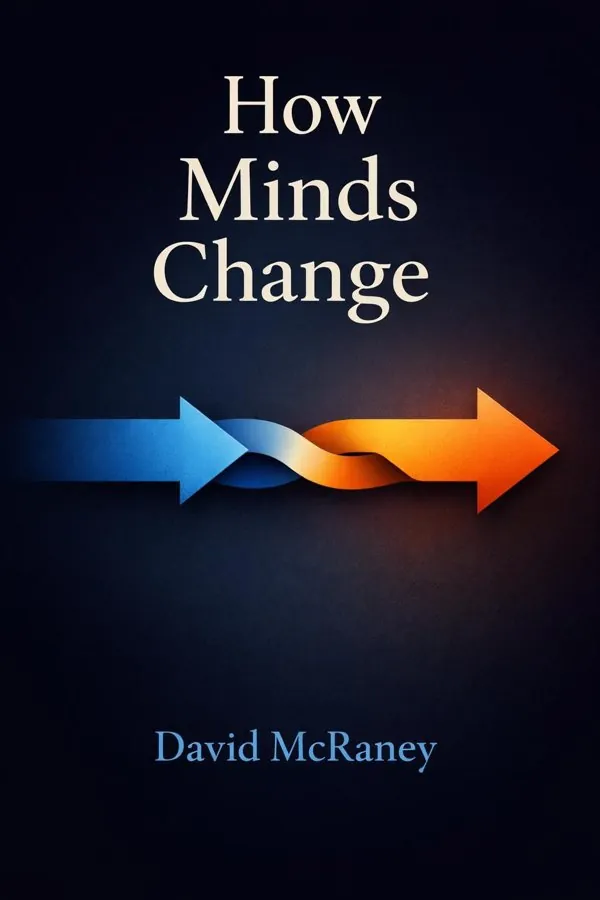
How Minds Change: The Surprising Science of Belief, Opinion, and Persuasion
In 'How Minds Change', David McRaney explores the psychological and social mechanisms behind why people change their minds—or refuse to. Drawing on cognitive science, social psychology, and real-world...
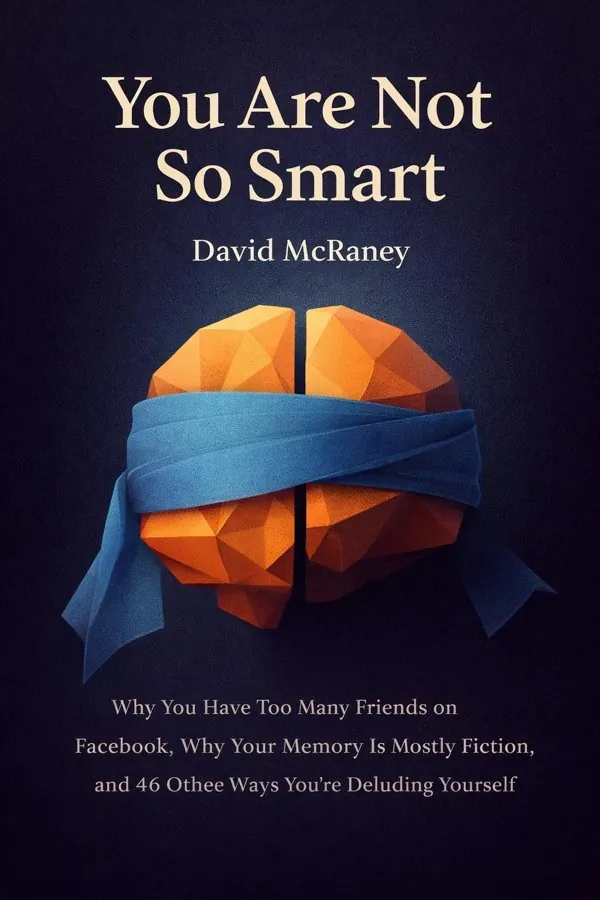
You Are Not So Smart: Why You Have Too Many Friends on Facebook, Why Your Memory Is Mostly Fiction, and 46 Other Ways You're Deluding Yourself
You Are Not So Smart is a sharp, funny, and unsettling tour through the hidden flaws in human thinking. In this book, David McRaney explores the strange truth that most of us are far less rational, ob...

You Are Now Less Dumb: How to Conquer Mob Mentality, How to Buy Happiness, and All the Other Ways to Outsmart Yourself
Most people assume bad decisions come from ignorance, impulsiveness, or lack of intelligence. David McRaney argues something more unsettling: many of our worst errors come from the ordinary design of ...
Key Insights from David McRaney
The Science of Belief Formation
Every belief you hold feels like a picture of reality, yet none are pure reflections. They’re constructions—stories your brain tells based on predictions, emotions, and social input. Our beliefs are not logical conclusions we reach; they are emotional commitments our brains defend. We form them thro...
From How Minds Change: The Surprising Science of Belief, Opinion, and Persuasion
Cognitive Dissonance and Resistance
The discomfort we feel when holding conflicting ideas—cognitive dissonance—is one of the most powerful forces shaping belief. When new evidence clashes with what we already think, our brains rush to resolve the tension, often by dismissing the evidence instead of updating the belief. I saw this vivi...
From How Minds Change: The Surprising Science of Belief, Opinion, and Persuasion
Memory Is Reconstruction, Not Playback
One of the most disturbing facts about the mind is that your memories feel true long before they are accurate. Most people imagine memory as a recording device, a mental archive that stores events and retrieves them intact. McRaney explains that memory works nothing like that. Instead, it is reconst...
From You Are Not So Smart: Why You Have Too Many Friends on Facebook, Why Your Memory Is Mostly Fiction, and 46 Other Ways You're Deluding Yourself
You Know Less Than You Think
The mind is skilled at producing the feeling of understanding without the substance of understanding. McRaney highlights what psychologists call the illusion of explanatory depth: people believe they understand how things work until they are asked to explain them in detail. Suddenly, confidence coll...
From You Are Not So Smart: Why You Have Too Many Friends on Facebook, Why Your Memory Is Mostly Fiction, and 46 Other Ways You're Deluding Yourself
Beliefs Defend Themselves Against Evidence
People do not usually form beliefs by carefully weighing evidence and then following the facts wherever they lead. More often, they adopt a belief for emotional, social, or intuitive reasons and then recruit logic to defend it. McRaney explores confirmation bias, the tendency to notice, remember, an...
From You Are Not So Smart: Why You Have Too Many Friends on Facebook, Why Your Memory Is Mostly Fiction, and 46 Other Ways You're Deluding Yourself
Past Investment Distorts Present Choices
A surprising amount of suffering comes from refusing to quit what no longer works. McRaney discusses the sunk cost fallacy, the tendency to continue investing in something because of the time, money, effort, or emotion already spent on it. Rationally, past costs are gone and should not determine pre...
From You Are Not So Smart: Why You Have Too Many Friends on Facebook, Why Your Memory Is Mostly Fiction, and 46 Other Ways You're Deluding Yourself
About David McRaney
David McRaney es periodista, escritor y podcaster estadounidense. Es conocido por su trabajo en psicología popular y ciencia del comportamiento, especialmente por su serie de libros y el podcast 'You Are Not So Smart'.


Frequently Asked Questions
David McRaney es periodista, escritor y podcaster estadounidense. Es conocido por su trabajo en psicología popular y ciencia del comportamiento, especialmente por su serie de libros y el podcast 'You Are Not So Smart'.
Read David McRaney's books in 15 minutes
Get AI-powered summaries with key insights from 3 books by David McRaney.