
Charles Taylor Books
Charles Taylor is a Canadian philosopher known for his contributions to political theory, philosophy of mind, and the history of ideas. A professor emeritus at McGill University, he has written extensively on modernity, identity, and multiculturalism, and is regarded as one of the most influential contemporary philosophers.
Known for: Multiculturalism and the Politics of Recognition, Sources of the Self: The Making of the Modern Identity, The Politics of Recognition
Books by Charles Taylor
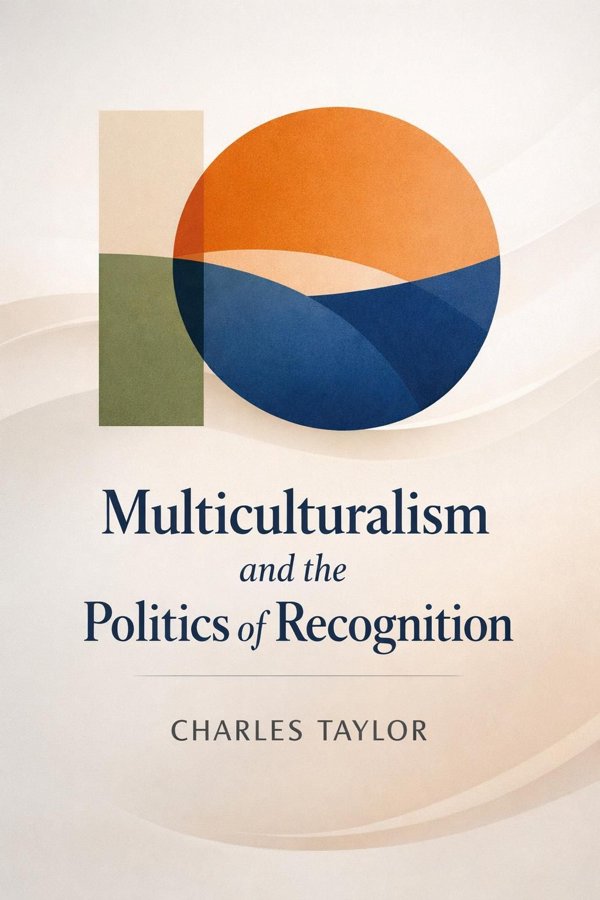
Multiculturalism and the Politics of Recognition
This influential work by Canadian philosopher Charles Taylor explores the concept of multiculturalism and the moral and political challenges of recognizing cultural diversity within liberal democratic...
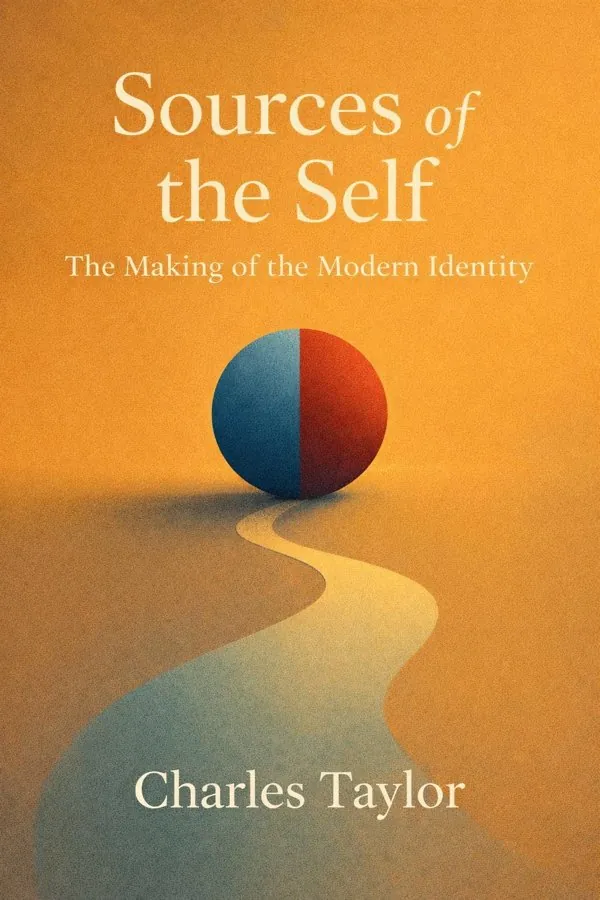
Sources of the Self: The Making of the Modern Identity
What does it mean to be a modern self? Why do ideas like authenticity, inner depth, personal freedom, and moral autonomy feel so natural to us today? In Sources of the Self, Charles Taylor answers the...
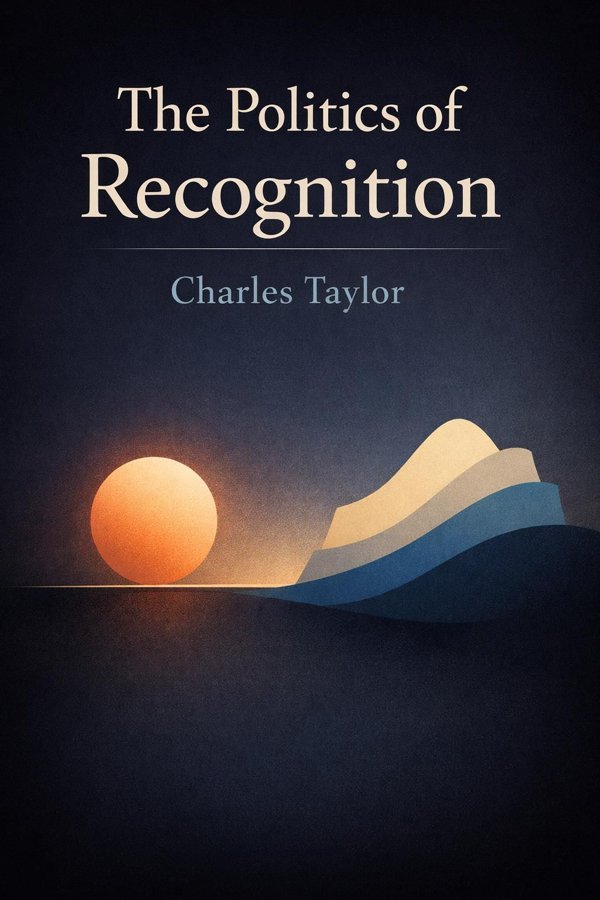
The Politics of Recognition
In this influential essay, Charles Taylor explores the concept of recognition as a fundamental human need and a cornerstone of modern identity politics. He argues that the struggle for recognition sha...
Key Insights from Charles Taylor
The Politics of Equal Recognition
In exploring the politics of recognition, I began with two distinct but interrelated approaches that have shaped modern democratic thought: the politics of universal dignity and the politics of difference. The first emerged from the Enlightenment and focuses on treating all individuals as bearers of...
From Multiculturalism and the Politics of Recognition
Historical Background
To understand why recognition plays such a central role in modern life, it helps to look back at how human identity has historically evolved. Premodern societies were structured hierarchically: status, class, and rank were assumed to reflect an objective social order, and recognition was distributed...
From Multiculturalism and the Politics of Recognition
Ancient Identity Within a Moral Cosmos
A self is never formed in a vacuum; it first appears within a world already charged with meaning. Taylor begins in the ancient Greek and classical tradition, where thinkers such as Plato and Aristotle understood human beings as situated within a larger moral and cosmic order. To know who you were wa...
From Sources of the Self: The Making of the Modern Identity
Christianity Deepens the Inward Turn
One of the most revolutionary changes in Western identity came when moral life moved inward. Taylor argues that Christianity transformed the ancient picture of the self by making interiority central. In classical thought, moral order was largely read off the cosmos. In Christian thought, especially ...
From Sources of the Self: The Making of the Modern Identity
The Rise of Modern Inwardness
Modern identity often feels natural because we are so accustomed to living from the inside out. Taylor shows that this inwardness was historically constructed. Over time, the self came to be understood less as a node in a fixed cosmic order and more as an interior space of reflection, conviction, an...
From Sources of the Self: The Making of the Modern Identity
Enlightenment Reason and the Disengaged Self
Few modern ideals are more powerful than the belief that reason should free us from illusion. Taylor argues that the Enlightenment gave this impulse a new shape by elevating the image of the self as rational, autonomous, and capable of disengagement. Thinkers such as Descartes and Locke helped defin...
From Sources of the Self: The Making of the Modern Identity
About Charles Taylor
Charles Taylor is a Canadian philosopher known for his contributions to political theory, philosophy of mind, and the history of ideas. A professor emeritus at McGill University, he has written extensively on modernity, identity, and multiculturalism, and is regarded as one of the most influential c...
Read more
Charles Taylor is a Canadian philosopher known for his contributions to political theory, philosophy of mind, and the history of ideas. A professor emeritus at McGill University, he has written extensively on modernity, identity, and multiculturalism, and is regarded as one of the most influential c...
Charles Taylor is a Canadian philosopher known for his contributions to political theory, philosophy of mind, and the history of ideas. A professor emeritus at McGill University, he has written extensively on modernity, identity, and multiculturalism, and is regarded as one of the most influential contemporary philosophers.


Frequently Asked Questions
Charles Taylor is a Canadian philosopher known for his contributions to political theory, philosophy of mind, and the history of ideas. A professor emeritus at McGill University, he has written extensively on modernity, identity, and multiculturalism, and is regarded as one of the most influential contemporary philosophers.
Read Charles Taylor's books in 15 minutes
Get AI-powered summaries with key insights from 3 books by Charles Taylor.