
Carl Gustav Jung Books
Carl Gustav Jung (1875–1961) was a Swiss psychiatrist and the founder of Analytical Psychology. He developed influential concepts such as archetypes, the collective unconscious, and individuation.
Known for: Psychological Types, The Archetypes and the Collective Unconscious, The Transcendent Function, The Undiscovered Self
Books by Carl Gustav Jung
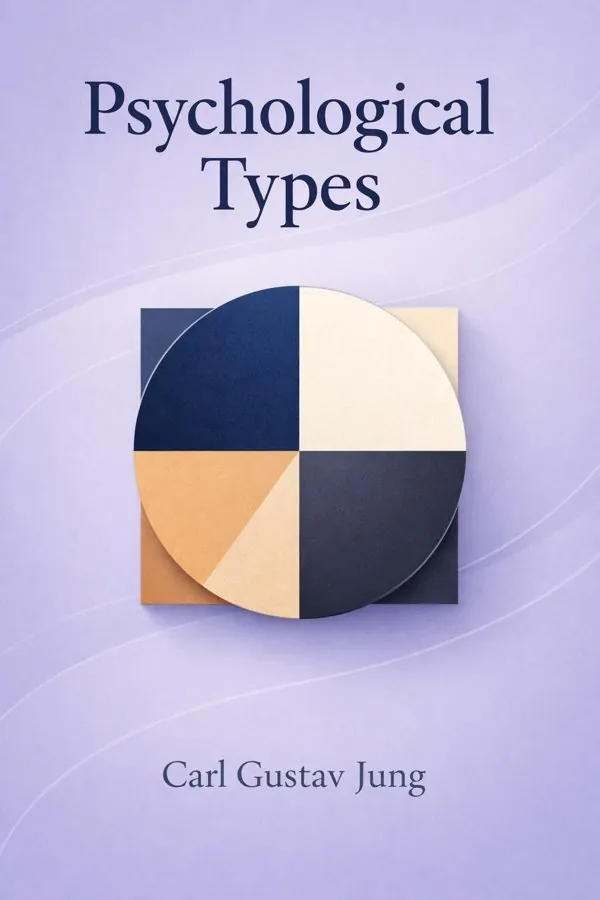
Psychological Types
Originally published in 1921, 'Psychological Types' is one of Carl Gustav Jung’s major works. In this book, Jung introduces his theory of psychological types, which distinguishes between introversion ...
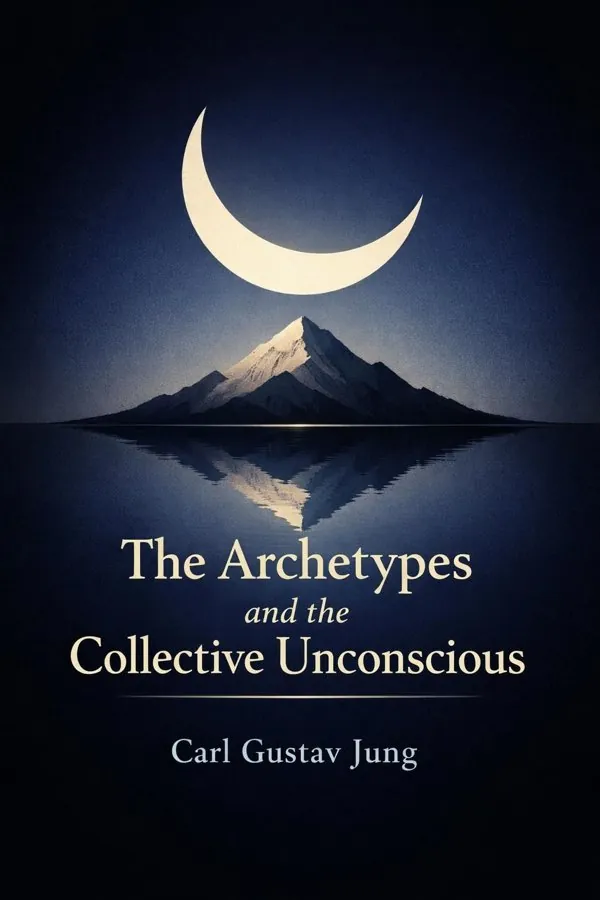
The Archetypes and the Collective Unconscious
What if the most powerful images in your dreams were not merely personal fragments, but expressions of patterns shared across all humanity? In The Archetypes and the Collective Unconscious, Carl Gusta...

The Transcendent Function
In this work, Carl Gustav Jung explores the 'transcendent function,' which connects the conscious and unconscious mind. Jung describes how engaging consciously with the unconscious can lead to psychol...
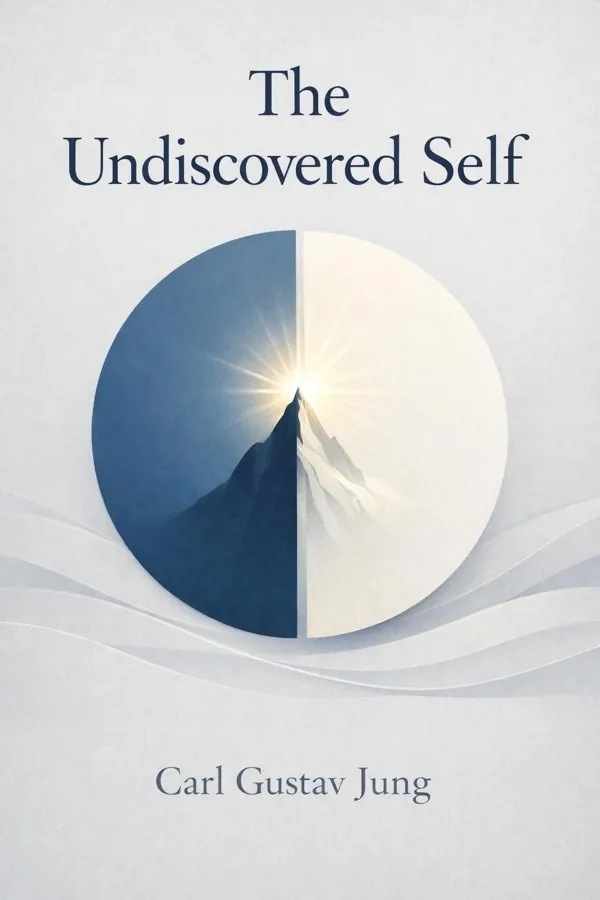
The Undiscovered Self
In this profound work, Jung explores the tension between the individual and the collective, warning against the dangers of mass-mindedness and ideological conformity. He argues that self-knowledge and...
Key Insights from Carl Gustav Jung
The Foundations of Analytical Psychology
My analytical psychology is built upon the relationship between the conscious and the unconscious. Without understanding their structure and interaction, no psychological type can be truly grasped. Consciousness is the domain of everyday awareness—the stage of self-knowledge—while the unconscious is...
From Psychological Types
Introversion and Extroversion: The Flow of Psychic Energy
Introversion and extroversion are the two fundamental attitudes of the human psyche. I regard them as mechanisms that direct the flow of psychic energy. When a person’s energy is primarily oriented toward the external world and objective phenomena, an extroverted attitude forms; when the energy turn...
From Psychological Types
The Deep Layer Beneath Personal Experience
Much of what moves us does not begin with us. Jung’s central claim is that the psyche contains more than personal memories, repressed feelings, and forgotten experiences. Beneath what he calls the personal unconscious lies a deeper stratum: the collective unconscious. Unlike the personal unconscious...
From The Archetypes and the Collective Unconscious
Archetypes Are Patterns, Not Fixed Pictures
The most important misunderstanding to avoid is thinking of an archetype as a specific image. Jung insists that an archetype is not a fixed symbol like “a mother” or “a hero” in one permanent form. It is better understood as a dynamic pattern, a structural possibility within the psyche that takes sh...
From The Archetypes and the Collective Unconscious
The Mother, Rebirth, and Divine Child
Human development is guided by images long before it is guided by concepts. In Jung’s exploration of the mother, rebirth, and child archetypes, he shows how early psychic life is shaped by symbols of origin, protection, renewal, and future possibility. These archetypes are deeply linked because they...
From The Archetypes and the Collective Unconscious
The Trickster and the Hidden Shadow
What we reject in ourselves rarely disappears; it returns in disguise. Jung’s discussions of the trickster and related shadow dynamics reveal that the psyche contains unruly, primitive, comic, disruptive, and morally ambiguous elements that civilized consciousness would prefer to deny. Yet these dis...
From The Archetypes and the Collective Unconscious
About Carl Gustav Jung
Carl Gustav Jung (1875–1961) was a Swiss psychiatrist and the founder of Analytical Psychology. He developed influential concepts such as archetypes, the collective unconscious, and individuation. Jung is regarded as one of the most significant thinkers of the 20th century in psychology, philosophy,...
Read more
Carl Gustav Jung (1875–1961) was a Swiss psychiatrist and the founder of Analytical Psychology. He developed influential concepts such as archetypes, the collective unconscious, and individuation. Jung is regarded as one of the most significant thinkers of the 20th century in psychology, philosophy,...
Carl Gustav Jung (1875–1961) was a Swiss psychiatrist and the founder of Analytical Psychology. He developed influential concepts such as archetypes, the collective unconscious, and individuation. Jung is regarded as one of the most significant thinkers of the 20th century in psychology, philosophy, and cultural studies.


Frequently Asked Questions
Carl Gustav Jung (1875–1961) was a Swiss psychiatrist and the founder of Analytical Psychology. He developed influential concepts such as archetypes, the collective unconscious, and individuation.
Read Carl Gustav Jung's books in 15 minutes
Get AI-powered summaries with key insights from 4 books by Carl Gustav Jung.