
Camilo José Cela Books
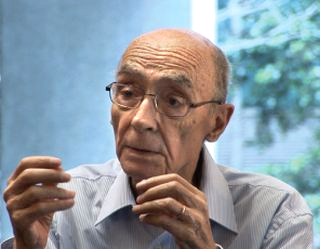
Camilo José Cela (1916–2002) was a Spanish novelist, essayist, and academic who won the Nobel Prize in Literature in 1989. His work is known for its vigorous style and profound exploration of the human condition.
Known for: Mazurka for Two Dead Men, San Camilo, 1936, The Family of Pascual Duarte, The Hive
Books by Camilo José Cela
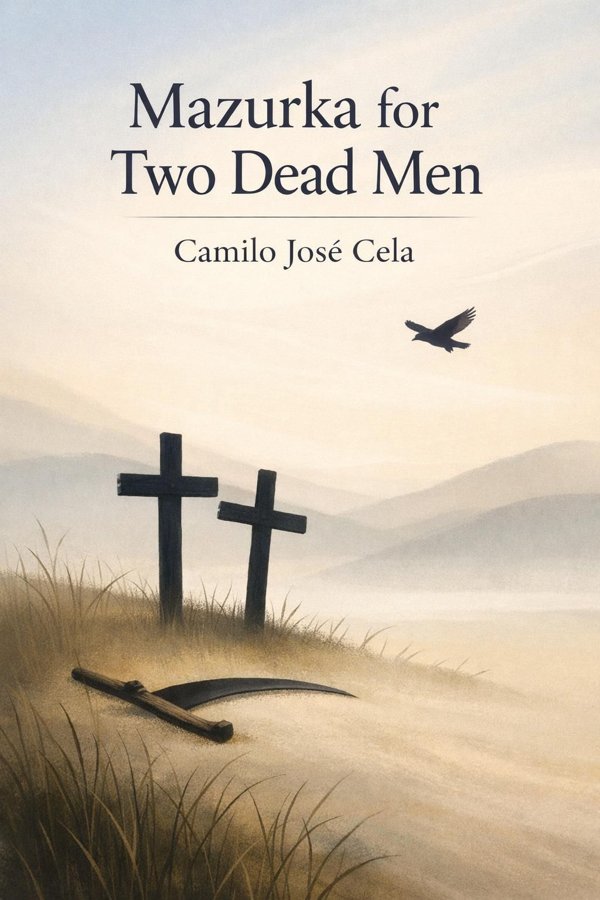
Mazurka for Two Dead Men
What if a civil war never really ended, but simply sank into the soil, the weather, and the speech of the people who survived it? In Mazurka for Two Dead Men, Camilo José Cela turns the Spanish Civil ...
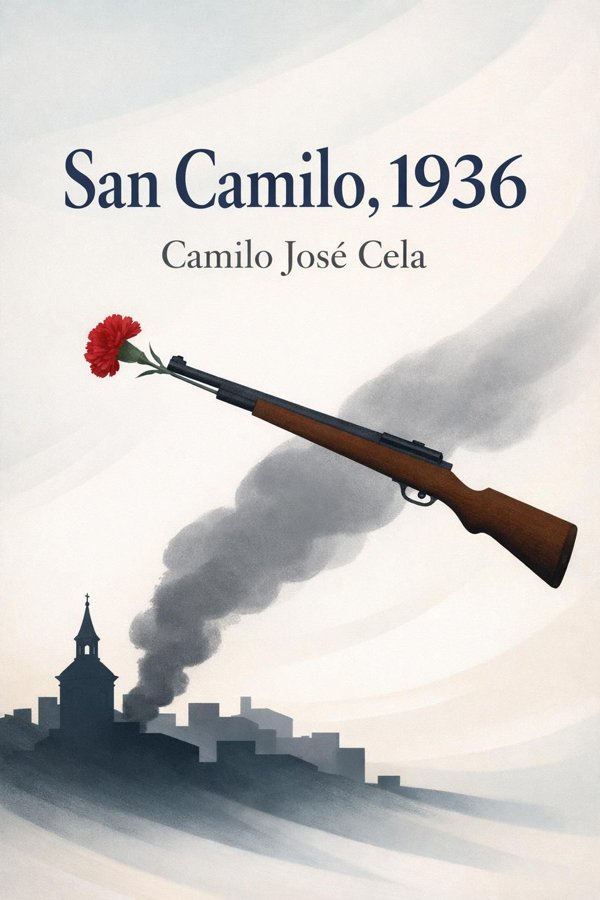
San Camilo, 1936
Set on the eve of the Spanish Civil War, this novel follows a twenty-year-old student's attempts to sort out his private affairs—sex, money, and career—amid the chaos and moral confusion of Madrid in ...
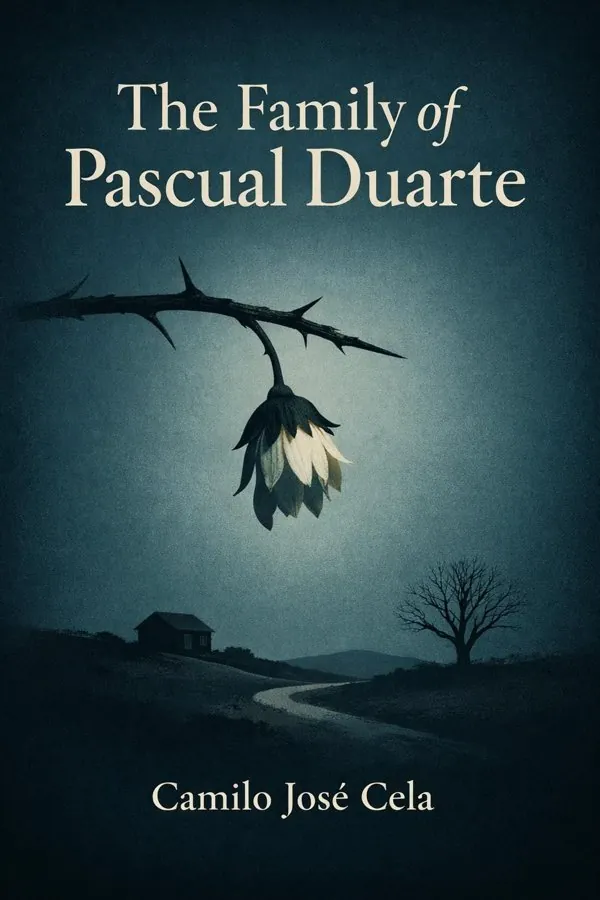
The Family of Pascual Duarte
The Family of Pascual Duarte is a dark, unsettling, and unforgettable novel about a man who tells the story of his own ruin. Presented as a prison confession, the book follows Pascual Duarte, a poor p...
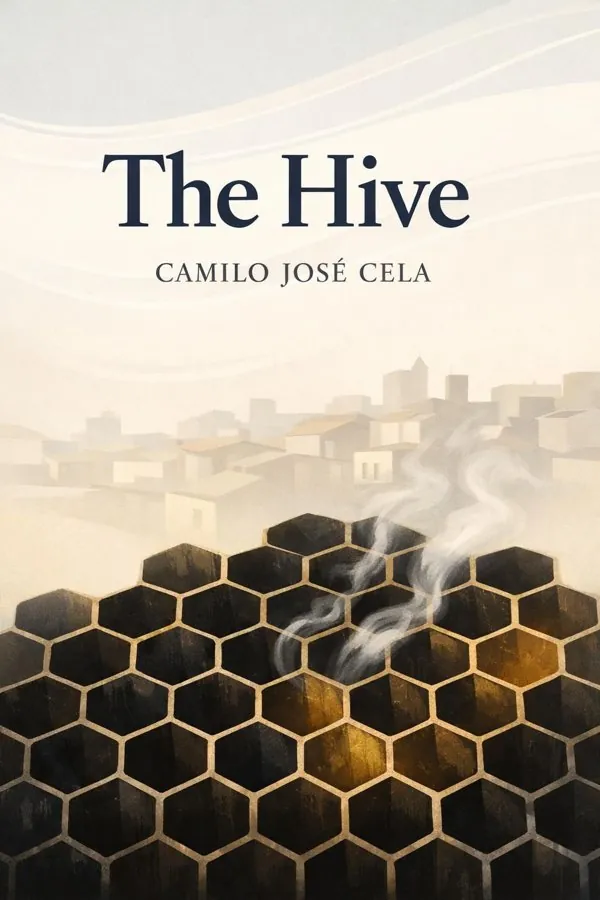
The Hive
Originally published in 1951, The Hive is one of the defining novels of twentieth-century Spanish literature and one of the sharpest portraits ever written of urban life under pressure. Set in post–Ci...
Key Insights from Camilo José Cela
Galicia as Memory, Weather, and Fate
A place can remember what its people try to forget. In Mazurka for Two Dead Men, Galicia is not a decorative setting but the living structure that holds the novel together. Its rain, fog, forests, stone houses, roads, and fields do more than surround the characters; they shape their habits, speech, ...
From Mazurka for Two Dead Men
Two Corpses, One Shared Human Tragedy
Death can flatten the distinctions that ideology once made seem absolute. At the center of the novel stand two dead men, aligned in life with opposing camps in the Spanish Civil War. One belonged to the Republican side, the other to the Falangist side. In political terms, they were enemies. In human...
From Mazurka for Two Dead Men
Survivors Carry the War Inside
The war ends on paper long before it ends in the mind. One of the novel’s deepest concerns is the inner life of survivors: those who remain in the village, continue working the land, raise children, exchange greetings, and yet never fully escape what they witnessed or tolerated. Cela portrays memory...
From Mazurka for Two Dead Men
Revenge Outlives the Original Offense
Violence rarely stops with the act that seems to justify it. In Mazurka for Two Dead Men, revenge appears not as a dramatic exception but as a social toxin that seeps into ordinary life. The original injuries of the war are terrible enough, yet Cela’s deeper focus is on what follows: retaliation, sc...
From Mazurka for Two Dead Men
Victims and Perpetrators Are Not Always Separate
One of the most unsettling truths in the novel is that moral categories blur under pressure. Cela does not claim that all guilt is equal or that ideology does not matter. Rather, he shows how war places ordinary people in situations where innocence, complicity, fear, and brutality overlap. A person ...
From Mazurka for Two Dead Men
Music Gives Form to Grief
Sometimes sorrow is too large for direct statement and must be shaped through rhythm. The title itself points us toward one of the novel’s key meanings: the mazurka, a dance form, becomes a metaphor for patterned remembrance. Cela structures the book with a musical sensibility, using repetition, var...
From Mazurka for Two Dead Men
About Camilo José Cela
Camilo José Cela (1916–2002) was a Spanish novelist, essayist, and academic who won the Nobel Prize in Literature in 1989. His work is known for its vigorous style and profound exploration of the human condition.




Frequently Asked Questions
Camilo José Cela (1916–2002) was a Spanish novelist, essayist, and academic who won the Nobel Prize in Literature in 1989. His work is known for its vigorous style and profound exploration of the human condition.
Read Camilo José Cela's books in 15 minutes
Get AI-powered summaries with key insights from 4 books by Camilo José Cela.