
Bertrand Russell Books
Bertrand Russell (1872–1970) was a British philosopher, logician, and social critic. A leading figure in analytic philosophy, he made significant contributions to logic, epistemology, and the philosophy of language.
Known for: A History of Western Philosophy, The Conquest of Happiness, The Problems Of Philosophy, Why I Am Not a Christian: And Other Essays on Religion and Related Subjects
Books by Bertrand Russell
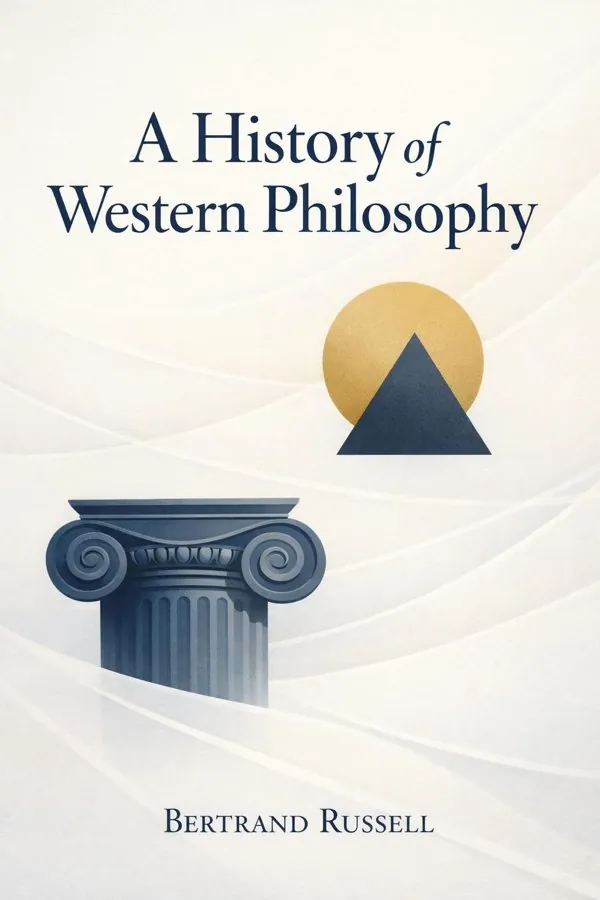
A History of Western Philosophy
A History of Western Philosophy is Bertrand Russell’s sweeping account of how the West learned to think about reality, knowledge, ethics, politics, and religion. Spanning from the early Greek thinkers...

The Conquest of Happiness
In this classic work, Bertrand Russell explores the causes of unhappiness and the paths to genuine happiness. Written in clear and accessible prose, Russell combines philosophical insight with practic...

The Problems Of Philosophy
Bertrand Russell’s The Problems Of Philosophy is one of the clearest and most influential introductions to philosophy ever written. In a remarkably compact work, Russell takes readers straight to the ...
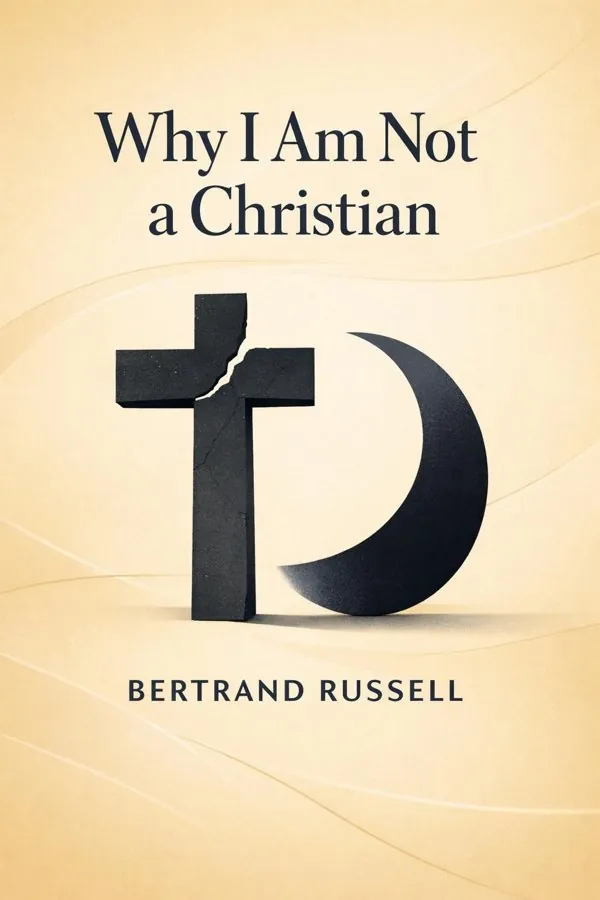
Why I Am Not a Christian: And Other Essays on Religion and Related Subjects
Why I Am Not a Christian: And Other Essays on Religion and Related Subjects is Bertrand Russell’s sharp, elegant, and still startlingly relevant examination of religion, belief, morality, and intellec...
Key Insights from Bertrand Russell
Philosophy Begins When Myth Becomes Inquiry
Civilizations change when they stop asking who controls the world and start asking how it works. Russell begins with the Pre-Socratic philosophers because they mark that decisive turn. In Ionia and southern Italy, thinkers such as Thales, Anaximander, Heraclitus, Parmenides, Empedocles, and Democrit...
From A History of Western Philosophy
Socrates Turned Thought Toward the Good Life
A culture becomes philosophically serious when it asks not only what the world is made of, but what a person ought to become. With Socrates, and then Plato and Aristotle, philosophy shifts from cosmology to ethics, politics, knowledge, and the structure of human flourishing. Russell treats this trio...
From A History of Western Philosophy
Philosophy Changes With Political Upheaval
Ideas do not float above history; they harden, soften, or break under political pressure. One of Russell’s most important themes is that philosophy reflects the emotional climate of its age. After the decline of the Greek city-state and the rise of vast empires, confidence in civic participation wea...
From A History of Western Philosophy
Christian Thought Recast Ancient Philosophy
When a new spiritual authority organizes society, philosophy must renegotiate its place. Russell’s account of Christian philosophy and the Middle Ages shows how Greek reason was not simply replaced by faith, but absorbed, disciplined, and redirected. Thinkers such as Augustine, Boethius, Anselm, Aqu...
From A History of Western Philosophy
Modern Science Reshaped the Philosophical Imagination
A new picture of nature forces a new picture of knowledge. Russell treats the Renaissance and the scientific revolution as decisive because they loosened the authority of scholastic systems and made observation, mathematics, and experiment central to understanding reality. Copernicus displaced Earth...
From A History of Western Philosophy
Reason Divides Into Rationalism and Empiricism
The modern age did not simply celebrate reason; it split over what reason is allowed to know. Russell’s treatment of the Age of Reason and Enlightenment centers on a powerful tension between rationalists such as Descartes, Spinoza, and Leibniz, and empiricists such as Locke, Berkeley, and Hume. Both...
From A History of Western Philosophy
About Bertrand Russell
Bertrand Russell (1872–1970) was a British philosopher, logician, and social critic. A leading figure in analytic philosophy, he made significant contributions to logic, epistemology, and the philosophy of language. Russell was awarded the Nobel Prize in Literature in 1950 for his varied and signifi...
Read more
Bertrand Russell (1872–1970) was a British philosopher, logician, and social critic. A leading figure in analytic philosophy, he made significant contributions to logic, epistemology, and the philosophy of language. Russell was awarded the Nobel Prize in Literature in 1950 for his varied and signifi...
Bertrand Russell (1872–1970) was a British philosopher, logician, and social critic. A leading figure in analytic philosophy, he made significant contributions to logic, epistemology, and the philosophy of language. Russell was awarded the Nobel Prize in Literature in 1950 for his varied and significant writings in which he champions humanitarian ideals and freedom of thought.


Frequently Asked Questions
Bertrand Russell (1872–1970) was a British philosopher, logician, and social critic. A leading figure in analytic philosophy, he made significant contributions to logic, epistemology, and the philosophy of language.
Read Bertrand Russell's books in 15 minutes
Get AI-powered summaries with key insights from 4 books by Bertrand Russell.