
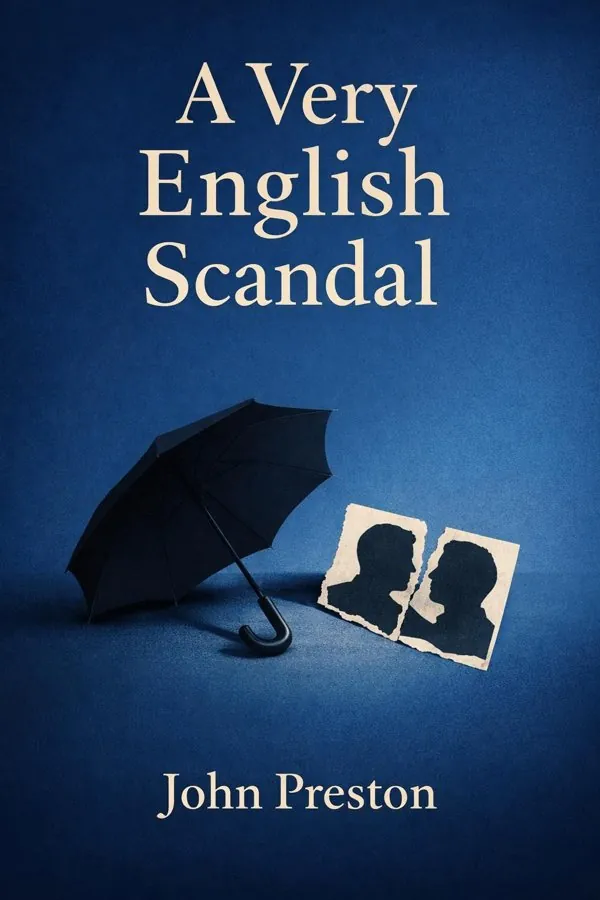
A Very English Scandal: Summary & Key Insights
by John Preston
 10 min4 chaptersAudio available
What Is A Very English Scandal About?
A Very English Scandal by John Preston is a politics book spanning 4 pages. A Very English Scandal is a nonfiction account of the 1970s political scandal involving British Liberal Party leader Jeremy Thorpe, who was accused of conspiring to murder his former lover Norman Scott. The book reconstructs the events with meticulous research and narrative flair, exploring the intersection of politics, sexuality, and the British establishment during a time of social change.
This FizzRead summary covers all 4 key chapters of A Very English Scandal in approximately 10 minutes, distilling the most important ideas, arguments, and takeaways from John Preston's work. Also available as an audio summary and Key Quotes Podcast.
A Very English Scandal
A Very English Scandal is a nonfiction account of the 1970s political scandal involving British Liberal Party leader Jeremy Thorpe, who was accused of conspiring to murder his former lover Norman Scott. The book reconstructs the events with meticulous research and narrative flair, exploring the intersection of politics, sexuality, and the British establishment during a time of social change.
Who Should Read A Very English Scandal?
This book is perfect for anyone interested in politics and looking to gain actionable insights in a short read. Whether you're a student, professional, or lifelong learner, the key ideas from A Very English Scandal by John Preston will help you think differently.
- ✓Readers who enjoy politics and want practical takeaways
- ✓Professionals looking to apply new ideas to their work and life
- ✓Anyone who wants the core insights of A Very English Scandal in just 10 minutes
Want the full summary?
Get instant access to this book summary and 100K+ more with Fizz Moment.
Get Free SummaryAvailable on App Store • Free to download
Key Chapters
Jeremy Thorpe’s ascent within the Liberal Party was almost operatic in its energy. He possessed a rare combination of intellect, humor, and theatrical flair that electrified those around him. His speeches shimmered with wit and confidence; his manner projected decisiveness. To the press, he was a modernizer—a man capable of reviving the Liberal cause from its long malaise. To colleagues, he was both inspiring and unsettling. There was a sense that Thorpe was never entirely knowable, that behind his charm lay calculation and ambition of unusual intensity.
I wanted readers to feel that magnetism, but also the inner storm beneath it. Thorpe was born into privilege, educated at Eton and Oxford, yet he chafed against the conservative world around him. He hungered for prominence, not merely within the party but in national life. By the mid-1960s, his public image was impeccable: the dynamic young MP reshaping the Liberals for the television age. But this image demanded perfection—a life stage-managed to exclude any blemish, any evidence of the forbidden desire he carried within.
In Britain then, homosexuality was not only illegal but profoundly stigmatized. A politician discovered to be gay could expect instant ruin, moral disgrace, and social exile. Thorpe understood this intimately, and it forged his lifelong habit of concealment. He married, entertained, and spoke of reform, while privately maintaining a cautious network of confidants who helped shield him. But secrecy corrodes; and it was within that realm of deceit that the seeds of his downfall began to germinate.
When Norman Scott entered Thorpe’s life—then still known as Norman Josiffe—he was fragile, mercurial, and desperately seeking affection and stability. His background was one of hardship and mental distress, marked by instability and failed jobs. Thorpe met him through social connections and soon found in him something he could not easily resist: vulnerability and passion intertwined.
Their affair began in secrecy, as all such relationships had to. Thorpe’s letters to Norman were tender yet cautious, revealing both desire and anxiety. In those years before decriminalization, every written word bore potential danger; a single letter could destroy a career. Yet Thorpe could not stop himself from writing them, nor could Norman stop treasuring them. The imbalance between their worlds—power versus dependency—was stark. Norman’s need for recognition and validation clashed with Thorpe’s dread of exposure.
When the relationship soured, Norman’s life spiraled further into chaos. He spoke of the affair to others, hinted at the letters, and sought justice for what he felt was abandonment. For Thorpe, this was the nightmare realized. A man perched at the summit of political ambition now found himself ensnared by his own past—a living witness to the forbidden love he had tried to bury. In that moment, the self-protective instincts of the establishment began to stir, weaving a web that would eventually engulf them both.
+ 2 more chapters — available in the FizzRead app
All Chapters in A Very English Scandal
About the Author
John Preston is a British journalist, novelist, and screenwriter. He has written for The Sunday Telegraph and The Evening Standard, and is known for his works of narrative nonfiction such as A Very English Scandal and Fall: The Mystery of Robert Maxwell. His writing often blends investigative journalism with literary storytelling.
Get This Summary in Your Preferred Format
Read or listen to the A Very English Scandal summary by John Preston anytime, anywhere. FizzRead offers multiple formats so you can learn on your terms — all free.
Available formats: App · Audio · PDF · EPUB — All included free with FizzRead
Download A Very English Scandal PDF and EPUB Summary
Key Quotes from A Very English Scandal
“Jeremy Thorpe’s ascent within the Liberal Party was almost operatic in its energy.”
“When Norman Scott entered Thorpe’s life—then still known as Norman Josiffe—he was fragile, mercurial, and desperately seeking affection and stability.”
Frequently Asked Questions about A Very English Scandal
A Very English Scandal by John Preston is a politics book that explores key ideas across 4 chapters. A Very English Scandal is a nonfiction account of the 1970s political scandal involving British Liberal Party leader Jeremy Thorpe, who was accused of conspiring to murder his former lover Norman Scott. The book reconstructs the events with meticulous research and narrative flair, exploring the intersection of politics, sexuality, and the British establishment during a time of social change.
You Might Also Like
Antifa: The Anti-Fascist Handbook
Mark Bray
10 min
Attack from Within: How Disinformation Is Sabotaging America
Barbara McQuade
10 min
Coercion, Capital, and European States, AD 990–1992
Charles Tilly
10 min
Digital Democracy: Concepts, Methodologies, Tools, and Applications
Various Authors
10 min
Fascism
Stanley G. Payne
10 min
Fire And Fury: Inside The Trump White House
Michael Wolff
10 minBrowse by Category
Ready to read A Very English Scandal?
Get the full summary and 100K+ more books with Fizz Moment.