

This Time Is Different: Eight Centuries of Financial Folly: Summary & Key Insights
by Carmen M. Reinhart, Kenneth S. Rogoff
 10 min11 chaptersAudio available
What Is This Time Is Different: Eight Centuries of Financial Folly About?
This Time Is Different: Eight Centuries of Financial Folly by Carmen M. Reinhart, Kenneth S. Rogoff is a economics book spanning 11 pages. This book examines the history of financial crises over eight centuries, showing that despite technological and institutional changes, the same patterns of excessive borrowing, speculative bubbles, and subsequent crashes repeat across time and nations. Reinhart and Rogoff use extensive historical data to demonstrate that financial folly is a recurring feature of human behavior, not an anomaly of modern capitalism.
This FizzRead summary covers all 11 key chapters of This Time Is Different: Eight Centuries of Financial Folly in approximately 10 minutes, distilling the most important ideas, arguments, and takeaways from Carmen M. Reinhart, Kenneth S. Rogoff's work. Also available as an audio summary and Key Quotes Podcast.
This Time Is Different: Eight Centuries of Financial Folly
This book examines the history of financial crises over eight centuries, showing that despite technological and institutional changes, the same patterns of excessive borrowing, speculative bubbles, and subsequent crashes repeat across time and nations. Reinhart and Rogoff use extensive historical data to demonstrate that financial folly is a recurring feature of human behavior, not an anomaly of modern capitalism.
Who Should Read This Time Is Different: Eight Centuries of Financial Folly?
This book is perfect for anyone interested in economics and looking to gain actionable insights in a short read. Whether you're a student, professional, or lifelong learner, the key ideas from This Time Is Different: Eight Centuries of Financial Folly by Carmen M. Reinhart, Kenneth S. Rogoff will help you think differently.
- ✓Readers who enjoy economics and want practical takeaways
- ✓Professionals looking to apply new ideas to their work and life
- ✓Anyone who wants the core insights of This Time Is Different: Eight Centuries of Financial Folly in just 10 minutes
Want the full summary?
Get instant access to this book summary and 100K+ more with Fizz Moment.
Get Free SummaryAvailable on App Store • Free to download
Key Chapters
We began our research by building perhaps the most comprehensive historical data set on financial crises ever assembled. The tapestry of eight centuries encompasses sovereign defaults, banking collapses, inflationary blowups, and currency debasements. We unearthed forgotten records from pre-industrial Europe, accounts of serial defaults in Latin America, and modern experiences in Asia and Africa. What emerged from this mass of evidence is a sobering pattern: regardless of geography or technological advancement, nations move through familiar stages of borrowing, overconfidence, and reckoning.
For example, Europe in the fourteenth century saw monarchs borrowing beyond their means to finance wars, often reneging on their debts when revenues faltered. Centuries later, newly independent Latin American states repeated the same mistakes, buoyed by optimism and access to foreign capital. The global reach of capital markets expanded, but the nature of the cycle did not change. Even in the modern postwar era, sophisticated monetary institutions could not eliminate these tendencies. The promise of perpetual stability—in one century or another—has never held true.
Our historical overview is not just a sequence of disasters; it is a chronicle of human confidence alternating with fear. By examining long-term data, we can quantify how common these crises are. Defaults and banking crashes are not black swans—they are part of the expected rhythm of financial life. Understanding this wider frame allows us to reinterpret current events with the detachment of history rather than the myopia of the present.
Every great speculative era is accompanied by a distinctive chorus: this time is different. Whether it is faith in technological innovation, new financial instruments, or supposedly enlightened governance, societies cling to the belief that the old rules no longer apply. This psychological pattern lies at the heart of recurring folly.
When we studied centuries of crises, we found that this narrative recurs with eerie consistency. In the 1920s, the United States viewed the stock market boom as a reflection of a new age of industrial progress. In emerging markets of the 1990s, global capital inflows were justified by the idea that modern risk management and transparency had rendered sudden stops obsolete. And before the 2008 crash, the securitization revolution was hailed as the very antidote to financial instability. Each time, investors and policymakers were convinced they had found a way to ‘tame’ risk. Each time, that confidence proved misplaced.
The phrase “this time is different” thus functions as a symptom of collective euphoria. It blinds nations to the historical record. What changes over time are the instruments—the causes remain strikingly constant: over‑borrowing, speculative optimism, and underestimation of risk. Recognizing this rhetorical pattern is crucial, because the next bubble will again be clothed in the language of novelty, promising a future unlike the past. It never is.
+ 9 more chapters — available in the FizzRead app
All Chapters in This Time Is Different: Eight Centuries of Financial Folly
About the Authors
Carmen M. Reinhart is an American economist known for her research on international finance and financial crises. Kenneth S. Rogoff is an American economist and chess grandmaster, recognized for his work on exchange rates and global macroeconomics. Both have served in prominent academic and policy positions.
Get This Summary in Your Preferred Format
Read or listen to the This Time Is Different: Eight Centuries of Financial Folly summary by Carmen M. Reinhart, Kenneth S. Rogoff anytime, anywhere. FizzRead offers multiple formats so you can learn on your terms — all free.
Available formats: App · Audio · PDF · EPUB — All included free with FizzRead
Download This Time Is Different: Eight Centuries of Financial Folly PDF and EPUB Summary
Key Quotes from This Time Is Different: Eight Centuries of Financial Folly
“We began our research by building perhaps the most comprehensive historical data set on financial crises ever assembled.”
“Every great speculative era is accompanied by a distinctive chorus: this time is different.”
Frequently Asked Questions about This Time Is Different: Eight Centuries of Financial Folly
This Time Is Different: Eight Centuries of Financial Folly by Carmen M. Reinhart, Kenneth S. Rogoff is a economics book that explores key ideas across 11 chapters. This book examines the history of financial crises over eight centuries, showing that despite technological and institutional changes, the same patterns of excessive borrowing, speculative bubbles, and subsequent crashes repeat across time and nations. Reinhart and Rogoff use extensive historical data to demonstrate that financial folly is a recurring feature of human behavior, not an anomaly of modern capitalism.
You Might Also Like

Business Adventures
John Brooks
10 min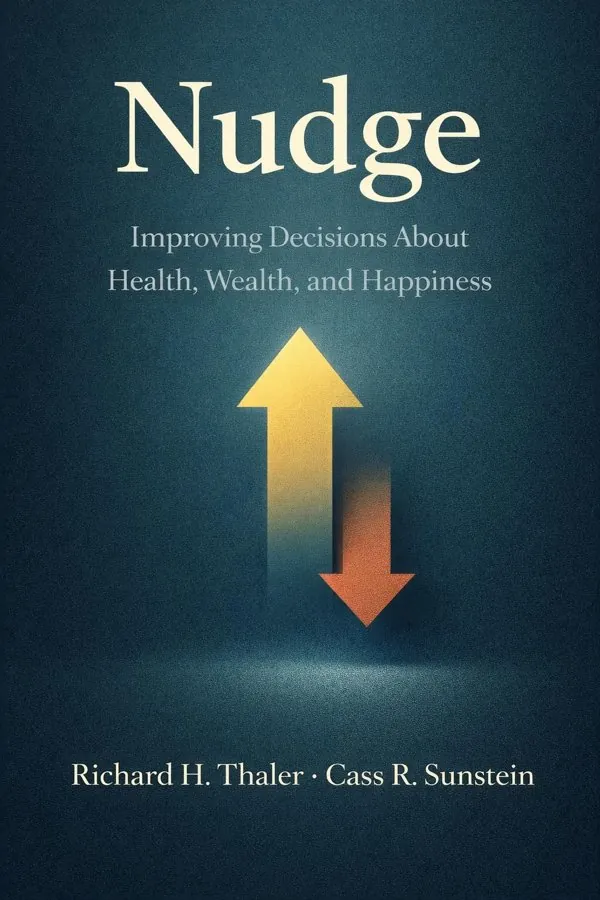
Nudge
Richard H. Thaler, Cass R. Sunstein
10 min
The Hitchhiker"s Guide to the Galaxy
Douglas Adams
10 minThe Muqaddimah
Ibn Khaldun
10 minThe Outsiders
William N. Thorndike
10 min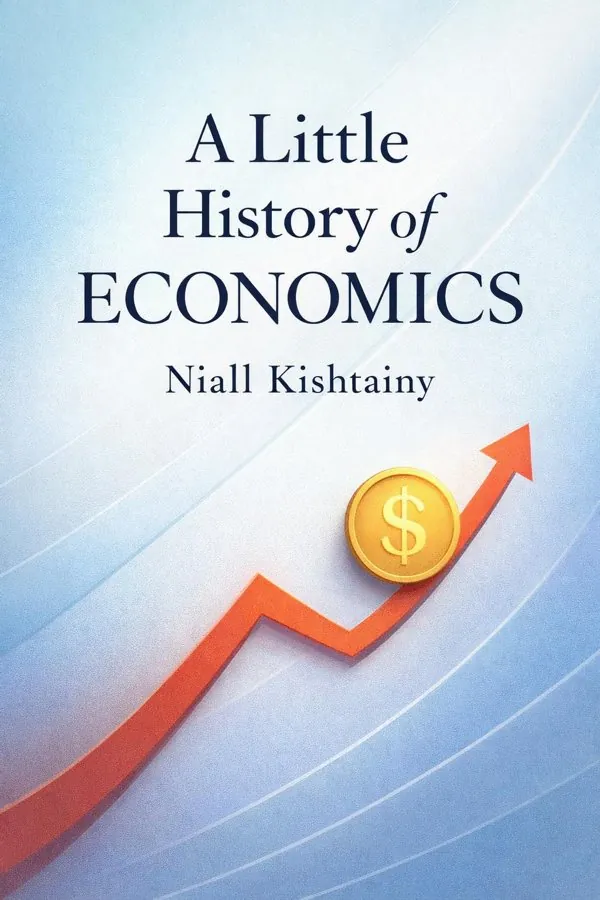
A Little History of Economics
Niall Kishtainy
10 minBrowse by Category
Ready to read This Time Is Different: Eight Centuries of Financial Folly?
Get the full summary and 100K+ more books with Fizz Moment.