
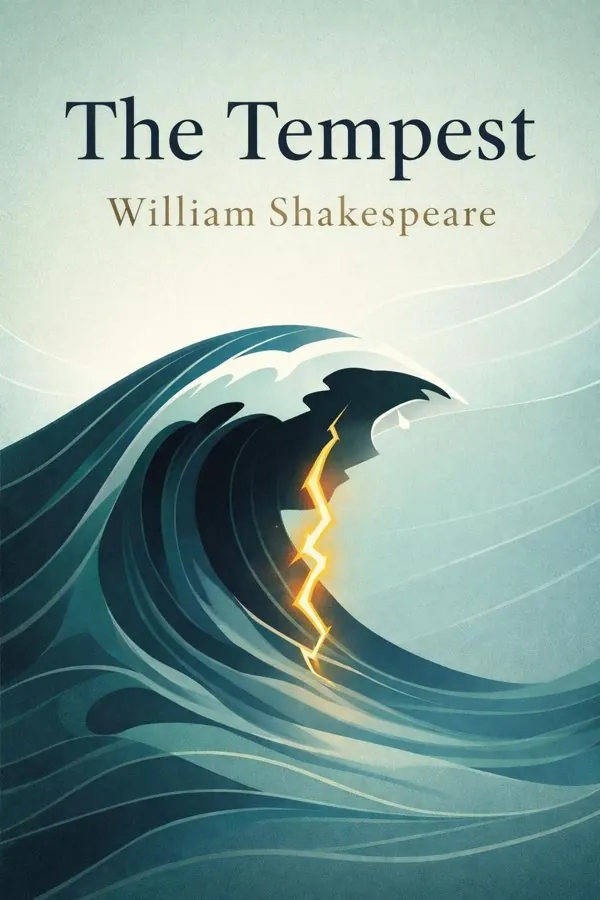
The Tempest: Summary & Key Insights
 10 min5 chaptersAudio available
What Is The Tempest About?
The Tempest by William Shakespeare is a classics book spanning 5 pages. A tragicomedy written by William Shakespeare, 'The Tempest' is believed to have been composed around 1610–1611 and is often regarded as one of his final plays. Set on a remote island, it tells the story of Prospero, the rightful Duke of Milan, who uses his magical powers to conjure a storm that brings his usurping brother and other nobles to the island. Themes of power, forgiveness, illusion, and colonialism run throughout the play, making it one of Shakespeare’s most symbolically rich works.
This FizzRead summary covers all 5 key chapters of The Tempest in approximately 10 minutes, distilling the most important ideas, arguments, and takeaways from William Shakespeare's work. Also available as an audio summary and Key Quotes Podcast.
The Tempest
A tragicomedy written by William Shakespeare, 'The Tempest' is believed to have been composed around 1610–1611 and is often regarded as one of his final plays. Set on a remote island, it tells the story of Prospero, the rightful Duke of Milan, who uses his magical powers to conjure a storm that brings his usurping brother and other nobles to the island. Themes of power, forgiveness, illusion, and colonialism run throughout the play, making it one of Shakespeare’s most symbolically rich works.
Who Should Read The Tempest?
This book is perfect for anyone interested in classics and looking to gain actionable insights in a short read. Whether you're a student, professional, or lifelong learner, the key ideas from The Tempest by William Shakespeare will help you think differently.
- ✓Readers who enjoy classics and want practical takeaways
- ✓Professionals looking to apply new ideas to their work and life
- ✓Anyone who wants the core insights of The Tempest in just 10 minutes
Want the full summary?
Get instant access to this book summary and 100K+ more with Fizz Moment.
Get Free SummaryAvailable on App Store • Free to download
Key Chapters
The story opens under the soft night of Venice, where grandeur can barely conceal the shadows beneath. Iago and Roderigo speak with bitterness, revealing the wounds that fester beneath the city’s civility. The Moorish general Othello has chosen the young Florentine Cassio as his lieutenant instead of Iago. For Iago, the decision is not just a professional insult—it is an assault on his pride. He feels betrayed, not merely by one man but by the social order that denies his worth. Thus, resentment takes root in silence.
Roderigo, sighing over his unrequited love for Desdemona, becomes the first pawn in Iago’s design. With calculated charm, Iago manipulates his desires, turning grievance into weaponry. To him, every person is a piece on his chessboard; friendship itself becomes an instrument of ruin. He provokes Desdemona’s father, Brabantio, twisting paternal love into rage. When it is revealed that his daughter has secretly married Othello, a Black man and foreigner, the city’s polished facade of tolerance shatters, exposing its prejudice.
Here, Venice stands as a society that applauds Othello’s valor but doubts his lineage. His bravery earns him honor but not equality. His marriage—itself a defiance of social boundaries—challenges the city’s unspoken codes. Venice celebrates achievement yet excludes the achiever, and this tension leaves Othello exalted and alienated at once. The tragedy begins, then, with a noble man standing on the threshold of a world that will never truly accept him.
+ 3 more chapters — available in the FizzRead app
All Chapters in The Tempest
About the Author
William Shakespeare (1564–1616) was an English playwright, poet, and actor, widely regarded as the greatest writer in the English language and the world’s preeminent dramatist. His works include 39 plays, 154 sonnets, and two long narrative poems, and they have profoundly influenced English literature and global culture.
Get This Summary in Your Preferred Format
Read or listen to the The Tempest summary by William Shakespeare anytime, anywhere. FizzRead offers multiple formats so you can learn on your terms — all free.
Available formats: App · Audio · PDF · EPUB — All included free with FizzRead
Download The Tempest PDF and EPUB Summary
Key Quotes from The Tempest
“The story opens under the soft night of Venice, where grandeur can barely conceal the shadows beneath.”
“Summoned before the Duke and Senate, Othello must defend both his marriage and his integrity.”
Frequently Asked Questions about The Tempest
The Tempest by William Shakespeare is a classics book that explores key ideas across 5 chapters. A tragicomedy written by William Shakespeare, 'The Tempest' is believed to have been composed around 1610–1611 and is often regarded as one of his final plays. Set on a remote island, it tells the story of Prospero, the rightful Duke of Milan, who uses his magical powers to conjure a storm that brings his usurping brother and other nobles to the island. Themes of power, forgiveness, illusion, and colonialism run throughout the play, making it one of Shakespeare’s most symbolically rich works.
More by William Shakespeare

You Might Also Like






Browse by Category
Ready to read The Tempest?
Get the full summary and 100K+ more books with Fizz Moment.