

The Pursuit Of Excellence: The Uncommon Behaviors Of The World's Most Productive Achievers: Summary & Key Insights
by Ryan Hawk
 10 min9 chaptersAudio available
Key Takeaways from The Pursuit Of Excellence: The Uncommon Behaviors Of The World's Most Productive Achievers
Most people admire excellence at the finish line but overlook the discipline required at the starting line.
The moment you think you know enough is often the moment your growth begins to stall.
Many capable people remain stuck not because they lack ability, but because they lack self-awareness.
What looks like confidence under pressure is often the visible result of invisible preparation.
Setbacks do not automatically make people stronger; how they respond to setbacks does.
What Is The Pursuit Of Excellence: The Uncommon Behaviors Of The World's Most Productive Achievers About?
The Pursuit Of Excellence: The Uncommon Behaviors Of The World's Most Productive Achievers by Ryan Hawk is a leadership book spanning 8 pages. Excellence is often mistaken for brilliance, luck, or rare natural talent. Ryan Hawk argues otherwise. In The Pursuit Of Excellence, he shows that extraordinary performance is usually the result of repeatable behaviors: disciplined habits, relentless curiosity, deep self-awareness, thoughtful preparation, humility, and the ability to keep improving long after early success. Rather than presenting excellence as an abstract ideal, Hawk breaks it down into practical choices that can be practiced by leaders, athletes, entrepreneurs, and anyone committed to getting better. What makes this book especially valuable is Hawk’s perspective. As a leadership advisor, keynote speaker, former corporate executive, and host of The Learning Leader Show, he has spent years studying high achievers across industries. He draws on conversations with elite performers and his own coaching experience to uncover patterns that transcend profession or personality. The result is a grounded, actionable guide to personal and professional growth. This book matters because it reframes excellence as a daily pursuit available to anyone willing to embrace consistency, feedback, and intentional effort.
This FizzRead summary covers all 9 key chapters of The Pursuit Of Excellence: The Uncommon Behaviors Of The World's Most Productive Achievers in approximately 10 minutes, distilling the most important ideas, arguments, and takeaways from Ryan Hawk's work. Also available as an audio summary and Key Quotes Podcast.
The Pursuit Of Excellence: The Uncommon Behaviors Of The World's Most Productive Achievers
Excellence is often mistaken for brilliance, luck, or rare natural talent. Ryan Hawk argues otherwise. In The Pursuit Of Excellence, he shows that extraordinary performance is usually the result of repeatable behaviors: disciplined habits, relentless curiosity, deep self-awareness, thoughtful preparation, humility, and the ability to keep improving long after early success. Rather than presenting excellence as an abstract ideal, Hawk breaks it down into practical choices that can be practiced by leaders, athletes, entrepreneurs, and anyone committed to getting better.
What makes this book especially valuable is Hawk’s perspective. As a leadership advisor, keynote speaker, former corporate executive, and host of The Learning Leader Show, he has spent years studying high achievers across industries. He draws on conversations with elite performers and his own coaching experience to uncover patterns that transcend profession or personality. The result is a grounded, actionable guide to personal and professional growth. This book matters because it reframes excellence as a daily pursuit available to anyone willing to embrace consistency, feedback, and intentional effort.
Who Should Read The Pursuit Of Excellence: The Uncommon Behaviors Of The World's Most Productive Achievers?
This book is perfect for anyone interested in leadership and looking to gain actionable insights in a short read. Whether you're a student, professional, or lifelong learner, the key ideas from The Pursuit Of Excellence: The Uncommon Behaviors Of The World's Most Productive Achievers by Ryan Hawk will help you think differently.
- ✓Readers who enjoy leadership and want practical takeaways
- ✓Professionals looking to apply new ideas to their work and life
- ✓Anyone who wants the core insights of The Pursuit Of Excellence: The Uncommon Behaviors Of The World's Most Productive Achievers in just 10 minutes
Want the full summary?
Get instant access to this book summary and 100K+ more with Fizz Moment.
Get Free SummaryAvailable on App Store • Free to download
Key Chapters
Most people admire excellence at the finish line but overlook the discipline required at the starting line. Hawk makes the case that top performers are not defined primarily by bursts of inspiration. They are defined by their ability to execute basic behaviors consistently, especially when those behaviors are tedious, uncomfortable, or invisible to others. Discipline is what turns good intentions into measurable results.
This idea matters because motivation is unreliable. You may feel energized one day and distracted the next. The highest achievers build systems that do not depend on mood. They decide in advance how they will train, prepare, follow up, and recover. A leader may block time every morning for strategic thinking before email takes over. A salesperson may review performance data weekly and make ten extra calls regardless of results. An athlete may commit to sleep, nutrition, and mobility work, not just dramatic workouts. None of these actions are glamorous, but together they compound.
Hawk emphasizes that discipline is not punishment. It is self-respect expressed through behavior. People who pursue excellence honor commitments to themselves and to others. They become trustworthy because they repeatedly do what they said they would do. Over time, that reliability builds confidence, credibility, and freedom.
A practical way to apply this principle is to identify one non-negotiable habit tied to your most important goal. Keep it small enough to sustain but meaningful enough to matter. Then track it visibly. Excellence often begins with the quiet decision to become consistent before becoming impressive.
The moment you think you know enough is often the moment your growth begins to stall. Hawk highlights curiosity as one of the defining traits of unusually productive achievers. The best leaders and performers never behave as though they have arrived. Instead, they remain students. They ask better questions, seek disconfirming evidence, and actively look for ideas that challenge their assumptions.
Curiosity is powerful because it protects against complacency. A curious leader wants to understand why a team is underperforming instead of blaming people too quickly. A curious entrepreneur studies customer behavior instead of falling in love with a product. A curious manager asks a top employee, “What am I doing that helps you do your best work, and what gets in your way?” Those questions create insight, and insight creates improvement.
Hawk also shows that curiosity is not merely intellectual. It is relational. The most effective people are genuinely interested in other people’s stories, motivations, and expertise. They listen to learn, not just to respond. That openness allows them to absorb wisdom from mentors, peers, and even competitors.
To put this idea into practice, create a personal learning rhythm. Read outside your field, ask one deeper question in every important conversation, and regularly seek out people who are better than you in a specific area. Curiosity is not a personality trait reserved for the naturally inquisitive. It is a discipline of staying open. If discipline gives excellence structure, curiosity gives it momentum.
Many capable people remain stuck not because they lack ability, but because they lack self-awareness. Hawk argues that excellence requires an honest understanding of who you are, how you affect others, and where your strengths and blind spots lie. Without self-awareness, talent can become arrogance, confidence can become overreach, and effort can be misdirected.
Self-awareness has two sides. The first is internal: knowing your values, triggers, motivations, and standards. The second is external: understanding how others experience you. A leader may believe they are being decisive while their team experiences them as dismissive. A high achiever may pride themselves on intensity while colleagues feel exhausted by their lack of empathy. Hawk points out that top performers are willing to confront these gaps because feedback is fuel, not a threat.
This requires humility. It is easier to defend your identity than to revise it. But real growth begins when you stop asking, “How do I look?” and start asking, “What is true?” Practical tools can help: journaling after key decisions, soliciting direct feedback, reviewing mistakes without excuses, and identifying repeated patterns in conflict or performance.
A useful application is to ask three trusted people to answer two questions: “What is one thing I do that consistently adds value?” and “What is one thing I do that limits my effectiveness?” Listen without arguing. Look for patterns. Excellence is not built only by amplifying strengths; it is sustained by understanding how your behavior shapes results. Self-awareness is the bridge between intention and impact.
What looks like confidence under pressure is often the visible result of invisible preparation. Hawk stresses that elite performers reduce uncertainty by rehearsing, studying, and planning more thoroughly than others think necessary. They do not rely on charisma or improvisation alone. They prepare so deeply that when pressure rises, they can respond with clarity instead of panic.
Preparation matters because stressful moments expose what was built beforehand. A leader entering a difficult board meeting should know the numbers, the objections, and the desired outcome. A coach heading into a championship game should have contingency plans for injuries, momentum swings, and tactical adjustments. A job candidate should study not only the role but the company’s challenges, culture, and strategic direction. The more complete the preparation, the more energy you preserve for adaptation.
Hawk’s broader point is that preparation is a form of respect. It respects the opportunity, the people involved, and your own potential. It signals seriousness. It also builds confidence that is earned rather than performed. You do not need to fake certainty when you have done the work.
To apply this, define what excellent preparation looks like in your field. Before any meaningful event, ask: What questions am I likely to face? What scenarios could derail me? What information am I missing? What does success require beyond the obvious? Spend more time preparing than seems comfortable. In many cases, the person who appears most naturally gifted is simply the one who practiced more thoroughly than everyone else.
Setbacks do not automatically make people stronger; how they respond to setbacks does. Hawk presents resilience as a crucial behavior in the pursuit of excellence because no meaningful ambition unfolds without disappointment, failure, criticism, or loss. The difference is that high achievers do not interpret adversity as a final verdict on their identity. They treat it as data, training, and an invitation to adapt.
Resilience is not blind optimism. It is realistic perseverance. It means acknowledging pain without surrendering agency. A founder whose product launch fails studies the reasons, preserves what was learned, and tries again with a better strategy. A leader whose team misses targets does not collapse into blame or denial; they diagnose root causes and rebuild trust. An athlete returning from injury accepts limitations while committing to the rehab process.
Hawk suggests that resilient people maintain perspective. They separate the event from the self. “I failed” becomes “That attempt failed.” This small shift protects energy for the next decision. They also develop routines that stabilize them under stress: exercise, reflection, conversations with mentors, and disciplined recovery.
An actionable takeaway is to create a personal resilience process for difficult moments. After a setback, ask three questions: What happened? What did this teach me? What is the next constructive step? Write the answers down within 24 hours. The goal is not to avoid hardship. It is to become the kind of person who can move through hardship without losing purpose. Excellence belongs to those who keep responding when easier options would be retreat or excuses.
No one reaches meaningful excellence alone for long. Hawk emphasizes that relationships are not a soft extra in a high-performance life; they are a central advantage. The best achievers understand how to build trust, invest in others, learn from mentors, and create environments where people want to contribute at their highest level. Excellence scales through connection.
This is especially true in leadership. A leader may have sharp ideas, but if people do not trust them, execution suffers. Strong relationships create candor, loyalty, and discretionary effort. Team members speak up sooner, recover faster from mistakes, and collaborate more effectively when they feel respected. Hawk highlights that productive achievers are intentional in how they communicate. They follow up, remember details, give credit, and make people feel seen.
Relationships also expand your perspective. Mentors can shorten your learning curve. Peers can challenge your blind spots. Direct reports can reveal what is actually happening on the ground. Even family relationships matter because sustained excellence is difficult when your personal foundation is neglected.
A simple application is to conduct a relationship audit. Identify the five people most critical to your growth and effectiveness. Ask yourself whether you are investing in those relationships with enough consistency, honesty, and generosity. Schedule time to listen, support, and learn. Send thoughtful follow-ups. Offer help before asking for it. Talent may open doors, but relationships often determine what happens after you enter the room. In the long run, people remember how you made them feel and whether you made them better.
Humility is often misunderstood as passivity or lack of ambition. Hawk argues the opposite: humility is one of the most powerful traits in sustained excellence because it keeps achievement from curdling into ego. Humble leaders are secure enough to keep learning, admit mistakes, share credit, and elevate others without feeling diminished. That combination makes them both effective and trusted.
Humility matters because success can distort judgment. The more praise people receive, the easier it becomes to believe they are above process, feedback, or accountability. Hawk warns that this is often the beginning of decline. Leaders who stop listening eventually lose touch with reality. By contrast, humble achievers remain grounded. They know they did not succeed alone, and they know there is always more to learn.
In practice, humility looks concrete. It means saying “I was wrong” without defensiveness. It means asking junior employees for input. It means recognizing publicly the contributions of others. It means entering conversations with conviction but not certainty. A humble coach may set high standards while still being deeply coachable themselves.
To develop this trait, build rituals that interrupt ego. Debrief wins as rigorously as losses. In every success, ask what was due to preparation, support, timing, and team effort. Thank people specifically. Invite dissenting views in meetings. Humility does not lower standards; it improves them by keeping you connected to truth. In Hawk’s framework, the strongest leaders are not the ones who need to look important. They are the ones committed enough to growth that they no longer need to protect their image at all costs.
A single exceptional performance can attract attention, but only consistency earns trust. Hawk shows that the pursuit of excellence is not about isolated peaks. It is about producing at a high level repeatedly, across changing circumstances, without becoming careless or stale. Sustained excellence depends on habits, standards, and renewal.
This is difficult because success creates new temptations. You may become distracted by praise, overextended by opportunity, or dulled by routine. Hawk’s insight is that top performers resist these traps by returning to fundamentals. They do not abandon what made them effective simply because it becomes familiar. They keep preparing, reviewing, practicing, and refining.
Consistency also requires energy management. People cannot perform at a high level indefinitely without recovery. Sleep, reflection, exercise, and boundaries are not indulgences; they are maintenance. A leader who is constantly depleted will eventually make worse decisions, communicate poorly, and damage relationships. Sustainable excellence includes knowing when to push and when to reset.
A practical takeaway is to create a weekly review. Look at your calendar, your key results, your energy, and your relationships. Ask: What worked? Where did I drift from my standards? What must I repeat? What must I change? This routine prevents small declines from becoming major problems. Hawk’s message is clear: excellence is not won once. It is renewed through disciplined repetition. The goal is not to have one great quarter, speech, season, or launch, but to become the kind of person whose habits make high performance more likely month after month and year after year.
Achievement without character is a fragile kind of success. Beneath Hawk’s discussion of habits and performance lies a deeper argument: excellence is not only about what you accomplish, but about who you become while accomplishing it. Productivity, influence, and results matter, but they are incomplete measures if they are detached from integrity, service, and responsibility.
This perspective is important in a culture that often celebrates visible success without examining the means used to get there. Hawk pushes readers to think beyond external metrics. Can people trust you? Do you keep your word when it is inconvenient? Do you treat others with dignity even when they cannot benefit you? Do your private behaviors match your public image? These questions move excellence from performance into character.
In practical settings, character shows up in countless small moments: telling the truth in a hard conversation, giving honest credit, making a decision that protects long-term trust over short-term gain, or choosing not to exploit an advantage unfairly. Leaders with strong character build cultures where accountability and respect reinforce each other. Teams perform better when people know standards apply equally and values are not negotiable.
To act on this idea, identify three principles you want to be known for, such as honesty, reliability, and generosity. Then define what each principle looks like in behavior. Review them before major decisions. Hawk reminds us that the pursuit of excellence is ultimately a moral project as well as a professional one. The highest form of achievement is not just being impressive. It is being admirable.
All Chapters in The Pursuit Of Excellence: The Uncommon Behaviors Of The World's Most Productive Achievers
About the Author
Ryan Hawk is a leadership advisor, keynote speaker, and author focused on helping people build the habits and mindset required for sustained excellence. He is best known as the host of The Learning Leader Show, a widely respected podcast featuring conversations with top performers from business, sports, and beyond. Through those interviews, Hawk has developed a practical understanding of what separates average performance from exceptional leadership. Before becoming a coach and speaker, he worked as a corporate executive and played quarterback at the collegiate level, experiences that shaped his views on discipline, teamwork, and personal accountability. His work combines high-performance principles with grounded leadership advice, making complex ideas accessible to professionals who want to grow, lead well, and continue improving over time.
Get This Summary in Your Preferred Format
Read or listen to the The Pursuit Of Excellence: The Uncommon Behaviors Of The World's Most Productive Achievers summary by Ryan Hawk anytime, anywhere. FizzRead offers multiple formats so you can learn on your terms — all free.
Available formats: App · Audio · PDF · EPUB — All included free with FizzRead
Download The Pursuit Of Excellence: The Uncommon Behaviors Of The World's Most Productive Achievers PDF and EPUB Summary
Key Quotes from The Pursuit Of Excellence: The Uncommon Behaviors Of The World's Most Productive Achievers
“Most people admire excellence at the finish line but overlook the discipline required at the starting line.”
“The moment you think you know enough is often the moment your growth begins to stall.”
“Many capable people remain stuck not because they lack ability, but because they lack self-awareness.”
“What looks like confidence under pressure is often the visible result of invisible preparation.”
“Setbacks do not automatically make people stronger; how they respond to setbacks does.”
Frequently Asked Questions about The Pursuit Of Excellence: The Uncommon Behaviors Of The World's Most Productive Achievers
The Pursuit Of Excellence: The Uncommon Behaviors Of The World's Most Productive Achievers by Ryan Hawk is a leadership book that explores key ideas across 9 chapters. Excellence is often mistaken for brilliance, luck, or rare natural talent. Ryan Hawk argues otherwise. In The Pursuit Of Excellence, he shows that extraordinary performance is usually the result of repeatable behaviors: disciplined habits, relentless curiosity, deep self-awareness, thoughtful preparation, humility, and the ability to keep improving long after early success. Rather than presenting excellence as an abstract ideal, Hawk breaks it down into practical choices that can be practiced by leaders, athletes, entrepreneurs, and anyone committed to getting better. What makes this book especially valuable is Hawk’s perspective. As a leadership advisor, keynote speaker, former corporate executive, and host of The Learning Leader Show, he has spent years studying high achievers across industries. He draws on conversations with elite performers and his own coaching experience to uncover patterns that transcend profession or personality. The result is a grounded, actionable guide to personal and professional growth. This book matters because it reframes excellence as a daily pursuit available to anyone willing to embrace consistency, feedback, and intentional effort.
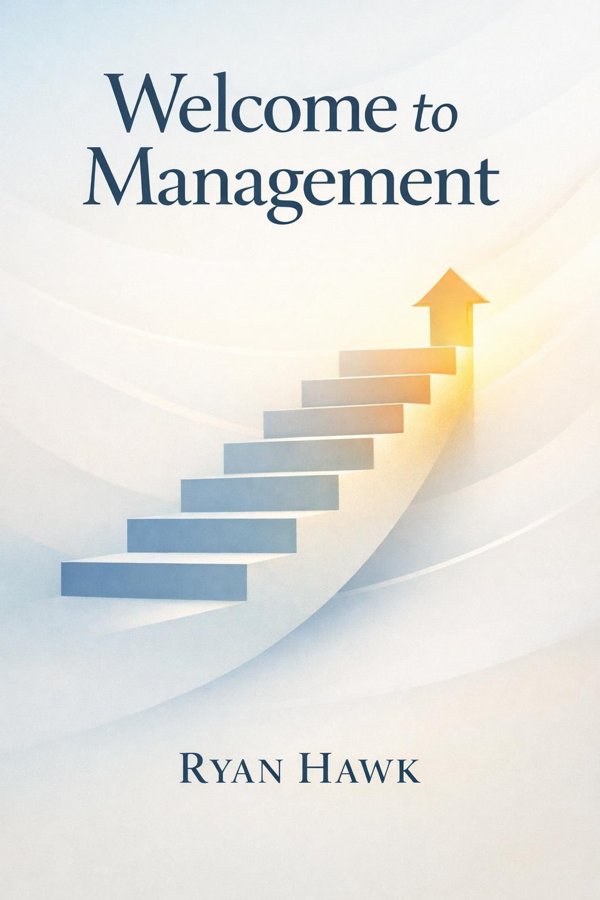
More by Ryan Hawk
You Might Also Like

Extreme Ownership
Jocko Willink
10 min
Dare to Lead
Brene Brown
10 min
Leaders Eat Last
Simon Sinek
10 min
The 21 Irrefutable Laws of Leadership
John Maxwell
10 min
Start With Why
Simon Sinek
10 min
How to Lead When You're Not in Charge
Clay Scroggins
10 minBrowse by Category
Ready to read The Pursuit Of Excellence: The Uncommon Behaviors Of The World's Most Productive Achievers?
Get the full summary and 100K+ more books with Fizz Moment.