
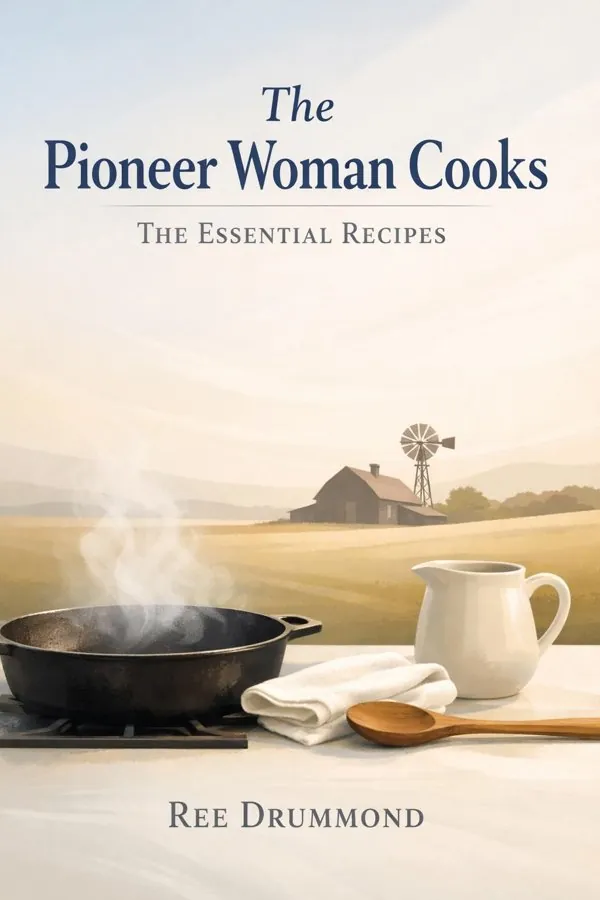
The Pioneer Woman Cooks: The Essential Recipes: Summary & Key Insights
by Ree Drummond
 10 min9 chaptersAudio available
Key Takeaways from The Pioneer Woman Cooks: The Essential Recipes
A great breakfast does more than fill people up; it tells them they are entering a day that will be cared for.
Midday meals reveal how well a cook understands real life.
People rarely remember a gathering only by the main course; they remember the feeling in the room before everyone sat down.
Dinner is often where a family rediscovers itself.
A main dish may get the attention, but side dishes often determine whether a meal feels ordinary or complete.
What Is The Pioneer Woman Cooks: The Essential Recipes About?
The Pioneer Woman Cooks: The Essential Recipes by Ree Drummond is a bestsellers book spanning 9 pages. Some cookbooks teach technique, but the best ones teach a way of life. In The Pioneer Woman Cooks: The Essential Recipes, Ree Drummond offers far more than a collection of dependable meals: she opens the door to her ranch kitchen and shows how food becomes the center of family rhythm, hospitality, and everyday joy. Built around hearty breakfasts, satisfying lunches, comforting suppers, crowd-pleasing sides, and memorable desserts, the book celebrates American home cooking in its most generous form. What makes this book matter is its combination of practicality and personality. Drummond understands that most home cooks are not looking for restaurant perfection; they want recipes that work, ingredients they recognize, and meals that make people feel cared for. Her signature step-by-step photographs and conversational instructions remove intimidation from the cooking process, making even rich, layered dishes feel approachable. Ree Drummond brings unusual authority to this task. Through her widely read Pioneer Woman platform, television work, and years of feeding a large ranching family, she has earned the trust of cooks who want comfort food with clarity, warmth, and real-life usefulness. This book captures that appeal at its best.
This FizzRead summary covers all 9 key chapters of The Pioneer Woman Cooks: The Essential Recipes in approximately 10 minutes, distilling the most important ideas, arguments, and takeaways from Ree Drummond's work. Also available as an audio summary and Key Quotes Podcast.
The Pioneer Woman Cooks: The Essential Recipes
Some cookbooks teach technique, but the best ones teach a way of life. In The Pioneer Woman Cooks: The Essential Recipes, Ree Drummond offers far more than a collection of dependable meals: she opens the door to her ranch kitchen and shows how food becomes the center of family rhythm, hospitality, and everyday joy. Built around hearty breakfasts, satisfying lunches, comforting suppers, crowd-pleasing sides, and memorable desserts, the book celebrates American home cooking in its most generous form.
What makes this book matter is its combination of practicality and personality. Drummond understands that most home cooks are not looking for restaurant perfection; they want recipes that work, ingredients they recognize, and meals that make people feel cared for. Her signature step-by-step photographs and conversational instructions remove intimidation from the cooking process, making even rich, layered dishes feel approachable.
Ree Drummond brings unusual authority to this task. Through her widely read Pioneer Woman platform, television work, and years of feeding a large ranching family, she has earned the trust of cooks who want comfort food with clarity, warmth, and real-life usefulness. This book captures that appeal at its best.
Who Should Read The Pioneer Woman Cooks: The Essential Recipes?
This book is perfect for anyone interested in bestsellers and looking to gain actionable insights in a short read. Whether you're a student, professional, or lifelong learner, the key ideas from The Pioneer Woman Cooks: The Essential Recipes by Ree Drummond will help you think differently.
- ✓Readers who enjoy bestsellers and want practical takeaways
- ✓Professionals looking to apply new ideas to their work and life
- ✓Anyone who wants the core insights of The Pioneer Woman Cooks: The Essential Recipes in just 10 minutes
Want the full summary?
Get instant access to this book summary and 100K+ more with Fizz Moment.
Get Free SummaryAvailable on App Store • Free to download
Key Chapters
A great breakfast does more than fill people up; it tells them they are entering a day that will be cared for. In Ree Drummond’s world, breakfast is not an afterthought grabbed on the run. It is the first act of hospitality, especially in a ranch household where work begins early and appetites are real. That perspective explains why her breakfast recipes lean toward abundance: eggs, potatoes, bacon, baked goods, casseroles, and other dishes designed to satisfy both body and mood.
Drummond treats breakfast as a practical meal, but also as an emotional one. She understands that morning food must be reliable, comforting, and simple enough to execute before the day becomes hectic. Her recipes often combine pantry staples with familiar techniques, helping cooks produce hearty results without requiring special skill. This matters because many people feel intimidated by cooking from scratch in the morning. By breaking recipes into clear steps and showing the visual progression, she removes friction and builds confidence.
In everyday life, this approach can be adapted beyond ranch living. A weekend breakfast casserole can serve visiting relatives. Make-ahead cinnamon rolls can transform a holiday morning. Even simple scrambled eggs with roasted potatoes become more meaningful when presented as a shared ritual rather than fuel.
The deeper insight is that breakfast creates momentum. A warm, intentional start often changes the emotional texture of the whole day. Actionable takeaway: choose one dependable breakfast recipe you can master and repeat, then use it to create a weekly family ritual.
Midday meals reveal how well a cook understands real life. Lunch, in Drummond’s kitchen, is shaped by interruptions, shifting schedules, and hungry people arriving without much warning. That is why her lunch philosophy is built on flexibility: meals should be fast enough for busy days, substantial enough to matter, and adaptable enough to work with what is already in the refrigerator.
Rather than treating lunch as a miniature dinner or a neglected snack, Drummond gives it a distinct identity. Sandwiches, soups, salads, pasta dishes, and leftovers reimagined with care become tools for keeping the day moving without sacrificing pleasure. A lunch recipe in her style often balances convenience with comfort. It might use cooked meat from a previous meal, combine a few rich flavors into something deeply satisfying, or rely on a simple assembly that still feels homemade.
This is especially useful for home cooks juggling work, family, and limited time. Her approach encourages resourcefulness instead of perfectionism. A roast made on Sunday can become sandwiches on Monday. Extra potatoes can be turned into soup. A quick pasta can bridge the gap between school schedules and afternoon commitments. The lesson is not merely what to cook, but how to think about cooking as an evolving process rather than a series of isolated events.
When lunch works, it reduces stress and cuts waste. It also reminds people that ordinary meals deserve care. Actionable takeaway: plan two or three versatile ingredients each week, such as cooked chicken, roasted vegetables, or boiled pasta, and build easy lunches around them.
Dinner is often where a family rediscovers itself. In The Pioneer Woman Cooks, supper is the emotional anchor of the day: the meal that gathers everyone back together, restores energy, and gives ordinary life a sense of structure. Drummond’s suppers are unapologetically comforting, built around familiar American dishes that reward hunger and invite second helpings.
What defines her supper recipes is not complexity but generosity. Roasts, casseroles, skillet dishes, pasta bakes, and meat-centered entrées appear not as gourmet statements but as dependable answers to a timeless question: what can I cook that will make everyone feel happy and full? Her recipe writing reduces intimidation by emphasizing straightforward ingredients, clear sequencing, and realistic home-kitchen expectations.
This approach reflects a larger argument about family cooking. Drummond suggests that dinner does not need novelty to matter. Repetition can be powerful when the dishes are beloved. A pot roast on a cold evening, a baked pasta for a school-night crowd, or chicken cooked until deeply flavorful can become part of the family’s shared memory. Supper is where food becomes continuity.
For modern readers, this is especially meaningful because dinner is often threatened by fragmented schedules and convenience habits. Drummond’s recipes gently push back by showing that home-cooked suppers can still be achievable and worth the effort. Actionable takeaway: identify three comforting dinner recipes your household genuinely loves and put them on a regular monthly rotation to make shared suppers easier to sustain.
A main dish may get the attention, but side dishes often determine whether a meal feels ordinary or complete. Drummond understands this intuitively. In her kitchen, sides are not filler; they provide contrast, richness, freshness, crunch, and color. They are the supporting cast that often steals the show.
This matters because many home cooks underestimate how much satisfaction comes from balance. A savory roast needs something bright or creamy alongside it. Fried foods benefit from a cool salad or soft bread. Rich casseroles feel more finished with a vegetable dish that adds texture and relief. Drummond’s side dishes often include comforting classics like mashed potatoes, corn, green beans, breads, and salads, but she presents them in ways that feel deeply tied to the meal as a whole.
Her philosophy also teaches an important planning principle: side dishes can rescue a simple main course. If dinner is straightforward, strong sides can make it feel abundant. A roast chicken becomes memorable with buttery potatoes and a crisp salad. Burgers become dinner-party worthy with homemade beans and a rich slaw. Sides are where cooks can adjust mood, seasonality, and portion without reworking the centerpiece.
In practical terms, side dishes are also ideal for skill-building. They let cooks practice seasoning, roasting, texture management, and timing on a smaller scale. Over time, a confident cook is often someone with a strong side-dish repertoire. Actionable takeaway: for every main dish you make often, pair it with two favorite sides so meals feel intentional instead of improvised.
Dessert is rarely necessary, which is exactly why it can mean so much. In Drummond’s hands, desserts become a language of celebration, reassurance, and affection. They are the finishing note that tells people a meal was not merely efficient but special. Her dessert sensibility is rooted in classic American comfort: pies, cakes, cobblers, cookies, puddings, and rich sweets that prioritize pleasure over restraint.
What makes her dessert chapter compelling is its accessibility. She does not frame baking as a separate, elite discipline reserved for experts. Instead, she invites readers to see desserts as achievable expressions of home cooking. Step-by-step directions and visual guidance reduce the fear around crusts, batters, frostings, and doneness. That confidence-building element is crucial, because many home cooks avoid desserts unless they are making something from a box.
Drummond also understands dessert as emotional punctuation. A simple weeknight dinner can become memorable with a pan of brownies. A family gathering feels warmer when there is pie on the counter. A seasonal dessert can mark holidays, birthdays, and milestones in ways that people remember for years. These recipes often succeed because they are familiar enough to be comforting and rich enough to feel like a reward.
The deeper message is that sweetness has social power. Dessert gathers people after they are already full, which means they stay for pleasure and conversation. Actionable takeaway: master one easy baked dessert and one special-occasion dessert so you are prepared for both everyday comfort and meaningful celebrations.
Food nourishes relationships best when it is given with attention. One of Drummond’s strongest themes is that cooking is a form of care that extends beyond nutrition. Feeding family and friends is not just a domestic responsibility in this book; it is a way of creating belonging, generosity, and shared memory.
Drummond’s recipes are designed for real people eating together, often in groups. Portions are generous, flavors are familiar, and the dishes lend themselves to passing, serving, and second helpings. This reflects a relational philosophy. She is less interested in impressing strangers than in comforting people she loves. That orientation changes everything: recipes become more practical, hosting becomes less formal, and the goal shifts from culinary performance to communal ease.
Readers can apply this idea in simple ways. A casserole delivered to a new parent, a pot of soup for a friend in a hard season, or a dessert brought to a school event all turn cooking into social glue. Even within the home, recurring family meals establish rhythm and trust. Children remember what showed up on birthdays. Friends remember who fed them when they needed it most.
In this sense, the cookbook quietly argues that domestic life deserves respect. Meals matter because they are recurring opportunities to make people feel seen. Cooking becomes one of the most repeatable forms of everyday generosity. Actionable takeaway: choose one person or occasion each month to cook for intentionally, using food not just to serve a meal but to strengthen a relationship.
Context shapes cuisine more than many cookbooks admit. The recipes in The Pioneer Woman Cooks are inseparable from the ranch life that inspired them. Drummond’s stories about Oklahoma, family routines, work schedules, animals, and wide-open space are not decorative interludes; they explain why the food looks and feels the way it does.
Ranch life demands practicality. Meals must satisfy hard-working people, fit around unpredictable days, and rely on ingredients and methods that make sense in a busy household. That pressure produces food with substance: rich breakfasts, hearty lunches, robust dinners, and desserts that feel generous rather than delicate. The storytelling in the book helps readers understand that these recipes emerge from a lived environment where comfort and reliability are not luxuries but necessities.
At the same time, the ranch backdrop gives the cookbook emotional texture. Readers are not just following instructions; they are entering a world. The photographs, anecdotes, and domestic scenes create intimacy, which is part of why Drummond’s work resonates so strongly. She offers not only dishes but a narrative of family life organized around the kitchen.
Even readers far removed from ranch living can take something valuable from this. Every home has its own food context: city apartment, suburban weeknight rush, multigenerational household, or quiet weekend retreat. Cooking improves when it reflects real circumstances instead of aspirational fantasy. Actionable takeaway: look at your own routines honestly and build your recipe collection around the meals your lifestyle actually calls for most often.
Most people do not avoid cooking because they dislike food; they avoid it because uncertainty feels exhausting. One of Drummond’s most important contributions is the way she lowers the barrier to entry. Her kitchen tips, step-by-step photographs, and conversational voice transform recipes from intimidating instructions into guided experiences.
This teaching style matters because traditional recipes often assume background knowledge that beginners do not have. Terms go undefined, timing is vague, and visual cues are missing. Drummond fills those gaps. By showing what a mixture should look like, when a crust is ready, or how ingredients change through each stage, she teaches technique indirectly. Readers gain not only a completed dish but a stronger sense of what competent cooking looks like.
Her kitchen advice also emphasizes practicality over perfection. Use what works. Learn by doing. Don’t be paralyzed by small mistakes. This mindset is liberating, especially for home cooks who compare themselves to professionals or social media ideals. Confidence rarely appears all at once; it grows through successful repetition.
Over time, this kind of guidance has compounding effects. A cook who masters one soup becomes more willing to try a stew. Someone who bakes one reliable dessert becomes less afraid of pastry. Drummond’s cookbook succeeds because it does not merely hand over recipes; it helps readers become the kind of people who believe they can cook. Actionable takeaway: instead of trying many new recipes at once, repeat one recipe several times and pay attention to the visual and sensory cues that signal success.
All Chapters in The Pioneer Woman Cooks: The Essential Recipes
About the Author
Ree Drummond is an American author, food writer, blogger, and television personality best known as The Pioneer Woman. She first gained widespread attention through her blog, where she documented life on her family’s Oklahoma ranch while sharing recipes, photography, and humorous stories about marriage, motherhood, and rural living. Her approachable voice and visually guided cooking style helped her build a loyal audience of home cooks who appreciated practical, comforting food. Drummond went on to publish bestselling cookbooks and expand her brand through television and lifestyle media. She is especially admired for making classic American home cooking feel accessible, personal, and inviting, turning everyday meals into a vehicle for connection, hospitality, and family tradition.
Get This Summary in Your Preferred Format
Read or listen to the The Pioneer Woman Cooks: The Essential Recipes summary by Ree Drummond anytime, anywhere. FizzRead offers multiple formats so you can learn on your terms — all free.
Available formats: App · Audio · PDF · EPUB — All included free with FizzRead
Download The Pioneer Woman Cooks: The Essential Recipes PDF and EPUB Summary
Key Quotes from The Pioneer Woman Cooks: The Essential Recipes
“A great breakfast does more than fill people up; it tells them they are entering a day that will be cared for.”
“Midday meals reveal how well a cook understands real life.”
“People rarely remember a gathering only by the main course; they remember the feeling in the room before everyone sat down.”
“Dinner is often where a family rediscovers itself.”
“A main dish may get the attention, but side dishes often determine whether a meal feels ordinary or complete.”
Frequently Asked Questions about The Pioneer Woman Cooks: The Essential Recipes
The Pioneer Woman Cooks: The Essential Recipes by Ree Drummond is a bestsellers book that explores key ideas across 9 chapters. Some cookbooks teach technique, but the best ones teach a way of life. In The Pioneer Woman Cooks: The Essential Recipes, Ree Drummond offers far more than a collection of dependable meals: she opens the door to her ranch kitchen and shows how food becomes the center of family rhythm, hospitality, and everyday joy. Built around hearty breakfasts, satisfying lunches, comforting suppers, crowd-pleasing sides, and memorable desserts, the book celebrates American home cooking in its most generous form. What makes this book matter is its combination of practicality and personality. Drummond understands that most home cooks are not looking for restaurant perfection; they want recipes that work, ingredients they recognize, and meals that make people feel cared for. Her signature step-by-step photographs and conversational instructions remove intimidation from the cooking process, making even rich, layered dishes feel approachable. Ree Drummond brings unusual authority to this task. Through her widely read Pioneer Woman platform, television work, and years of feeding a large ranching family, she has earned the trust of cooks who want comfort food with clarity, warmth, and real-life usefulness. This book captures that appeal at its best.
You Might Also Like

The Godfather
Mario Puzo
10 min
The Handmaid's Tale
Margaret Atwood
10 min
The Hunger Games
Suzanne Collins
10 min
The Nightingale
Kristin Hannah
10 min
The Seven Husbands of Evelyn Hugo
Taylor Jenkins Reid
10 min
Backwater Justice
Fern Michaels
10 minBrowse by Category
Ready to read The Pioneer Woman Cooks: The Essential Recipes?
Get the full summary and 100K+ more books with Fizz Moment.