

The Bartering Mindset: A Mostly Forgotten Framework for Mastering Your Next Negotiation: Summary & Key Insights
by Brian Gunia
 10 min8 chaptersAudio available
What Is The Bartering Mindset: A Mostly Forgotten Framework for Mastering Your Next Negotiation About?
The Bartering Mindset: A Mostly Forgotten Framework for Mastering Your Next Negotiation by Brian Gunia is a leadership book spanning 8 pages. The Bartering Mindset explores how the principles of bartering can transform modern negotiation practices. Brian Gunia argues that adopting a barterer's perspective—focused on mutual benefit, creativity, and resourcefulness—can help individuals and organizations negotiate more effectively. Drawing on research and practical examples, the book provides a framework for applying this mindset to everyday professional and personal negotiations.
This FizzRead summary covers all 8 key chapters of The Bartering Mindset: A Mostly Forgotten Framework for Mastering Your Next Negotiation in approximately 10 minutes, distilling the most important ideas, arguments, and takeaways from Brian Gunia's work. Also available as an audio summary and Key Quotes Podcast.
The Bartering Mindset: A Mostly Forgotten Framework for Mastering Your Next Negotiation
The Bartering Mindset explores how the principles of bartering can transform modern negotiation practices. Brian Gunia argues that adopting a barterer's perspective—focused on mutual benefit, creativity, and resourcefulness—can help individuals and organizations negotiate more effectively. Drawing on research and practical examples, the book provides a framework for applying this mindset to everyday professional and personal negotiations.
Who Should Read The Bartering Mindset: A Mostly Forgotten Framework for Mastering Your Next Negotiation?
This book is perfect for anyone interested in leadership and looking to gain actionable insights in a short read. Whether you're a student, professional, or lifelong learner, the key ideas from The Bartering Mindset: A Mostly Forgotten Framework for Mastering Your Next Negotiation by Brian Gunia will help you think differently.
- ✓Readers who enjoy leadership and want practical takeaways
- ✓Professionals looking to apply new ideas to their work and life
- ✓Anyone who wants the core insights of The Bartering Mindset: A Mostly Forgotten Framework for Mastering Your Next Negotiation in just 10 minutes
Want the full summary?
Get instant access to this book summary and 100K+ more with Fizz Moment.
Get Free SummaryAvailable on App Store • Free to download
Key Chapters
Bartering preceded the invention of money. It was a living system of exchange that required deep empathy and creativity. Early societies didn’t have standardized currencies; they had networks of cooperation. If one person had surplus grain and another had livestock, they’d find some middle ground—perhaps an agreement to trade grain for milk or help with harvest. This process demanded flexibility and communication. Participants had to discern what mattered most to each other, often reaching creative arrangements that went beyond tangible goods.
What fascinates me about these early exchanges is that they illustrate an economy rooted in human connection. Every trade reflected a relationship, a mutual recognition of needs. There was no faceless market mechanism to dictate prices; value was negotiated through conversation and compromise. Bartering was thus inherently cooperative and trust-based.
Today’s negotiations have lost that spirit. Money’s efficiency has undeniably shaped progress, but it has also distanced us from the imaginative act of exchange. When we price everything numerically, we often forget that value can take countless forms—time, expertise, endorsements, goodwill, or opportunities for growth. My argument is that revisiting the bartering mindset helps us revive those broader notions of value within modern settings.
In business, bartering still happens, though disguised as cross-promotion, talent exchange, or strategic alliance. The principle remains the same: mutual benefit derived from complementary resources. The historical lens helps us realize that negotiation was never meant to be purely transactional. It was meant to be human, adaptive, and creative.
Negotiation, as practiced today, is often clouded by cognitive biases. We’re wired to see scarcity where there might be abundance. We fall into what scholars call the 'fixed-pie assumption'—the belief that every negotiation is a competition over a limited resource. This mental shortcut makes us defensive and narrow-minded, focusing only on our side of the equation.
In my research, I found that people frequently approach negotiations with stress and suspicion. They assume that their counterpart’s gain must be their loss, and that concessions mark weakness. This mindset blinds them to creative opportunities for mutual gain. Even worse, it encourages unethical behavior, such as deception and concealment of interests, which ultimately erode trust.
What the barterer’s mindset does, psychologically, is flip this framework. A barterer sees negotiation as an exploration of possibilities. Cognitive flexibility becomes crucial—the ability to step outside one’s own perspective and imagine what the other side truly values. The barterer uses questions, patience, and imagination to uncover hidden interests, creating trades that feel fair because they align with both parties’ priorities.
Bartering reminds us that negotiation is less about dominance and more about discovery. It pushes us to identify value where it isn’t obvious—to realize that a service, a promise, or even goodwill can reshape outcomes. This shift, from defensive posturing to cooperative exploration, represents a profound psychological transformation: from competition to creativity.
+ 6 more chapters — available in the FizzRead app
All Chapters in The Bartering Mindset: A Mostly Forgotten Framework for Mastering Your Next Negotiation
About the Author
Brian C. Gunia is an Associate Professor at the Johns Hopkins Carey Business School. His research focuses on negotiation, decision-making, and ethical behavior in organizations. He has published widely in academic journals and is recognized for his work on practical negotiation strategies and behavioral ethics.
Get This Summary in Your Preferred Format
Read or listen to the The Bartering Mindset: A Mostly Forgotten Framework for Mastering Your Next Negotiation summary by Brian Gunia anytime, anywhere. FizzRead offers multiple formats so you can learn on your terms — all free.
Available formats: App · Audio · PDF · EPUB — All included free with FizzRead
Download The Bartering Mindset: A Mostly Forgotten Framework for Mastering Your Next Negotiation PDF and EPUB Summary
Key Quotes from The Bartering Mindset: A Mostly Forgotten Framework for Mastering Your Next Negotiation
“Bartering preceded the invention of money.”
“Negotiation, as practiced today, is often clouded by cognitive biases.”
Frequently Asked Questions about The Bartering Mindset: A Mostly Forgotten Framework for Mastering Your Next Negotiation
The Bartering Mindset: A Mostly Forgotten Framework for Mastering Your Next Negotiation by Brian Gunia is a leadership book that explores key ideas across 8 chapters. The Bartering Mindset explores how the principles of bartering can transform modern negotiation practices. Brian Gunia argues that adopting a barterer's perspective—focused on mutual benefit, creativity, and resourcefulness—can help individuals and organizations negotiate more effectively. Drawing on research and practical examples, the book provides a framework for applying this mindset to everyday professional and personal negotiations.
You Might Also Like

Extreme Ownership
Jocko Willink
10 min
Dare to Lead
Brene Brown
10 min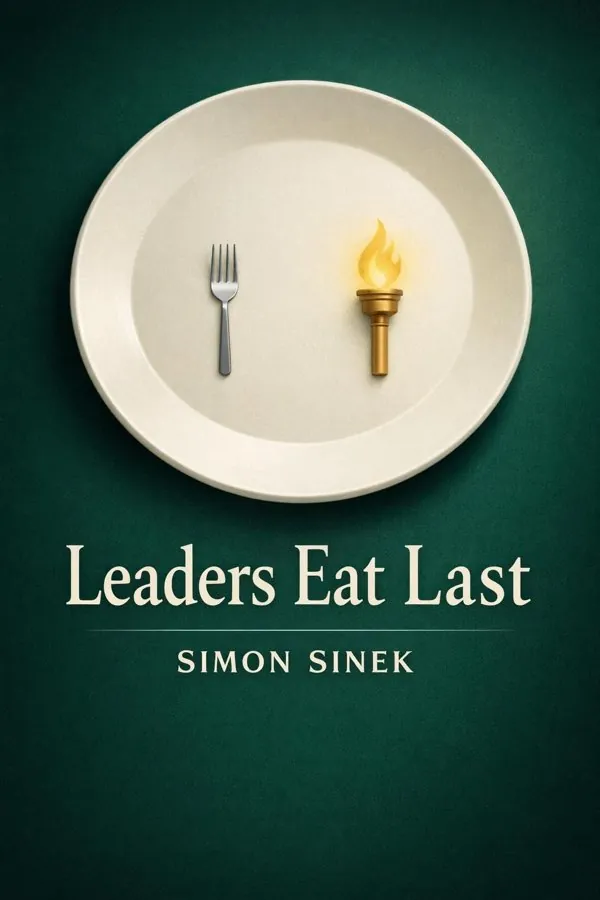
Leaders Eat Last
Simon Sinek
10 min
The 21 Irrefutable Laws of Leadership
John Maxwell
10 min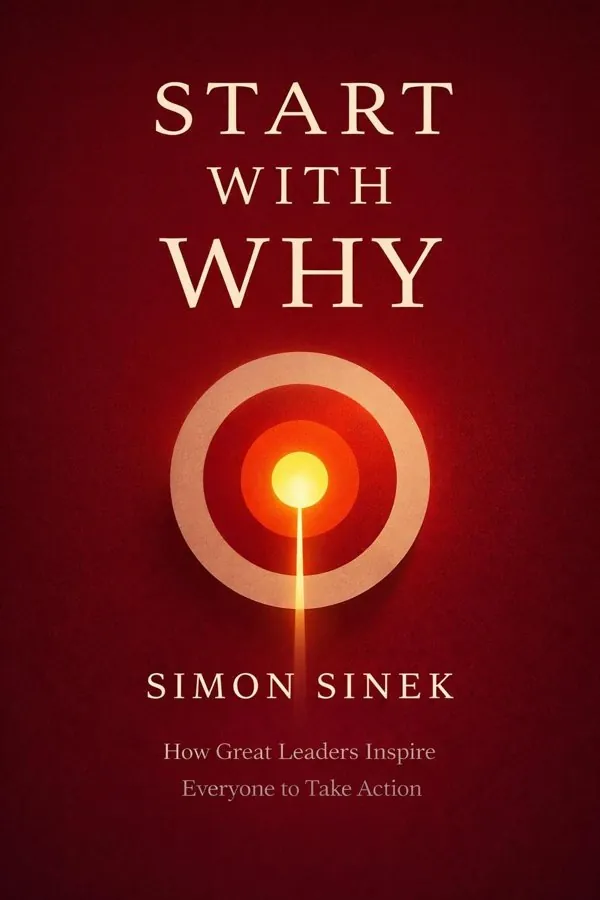
Start With Why
Simon Sinek
10 min
How to Lead When You're Not in Charge
Clay Scroggins
10 minBrowse by Category
Ready to read The Bartering Mindset: A Mostly Forgotten Framework for Mastering Your Next Negotiation?
Get the full summary and 100K+ more books with Fizz Moment.