
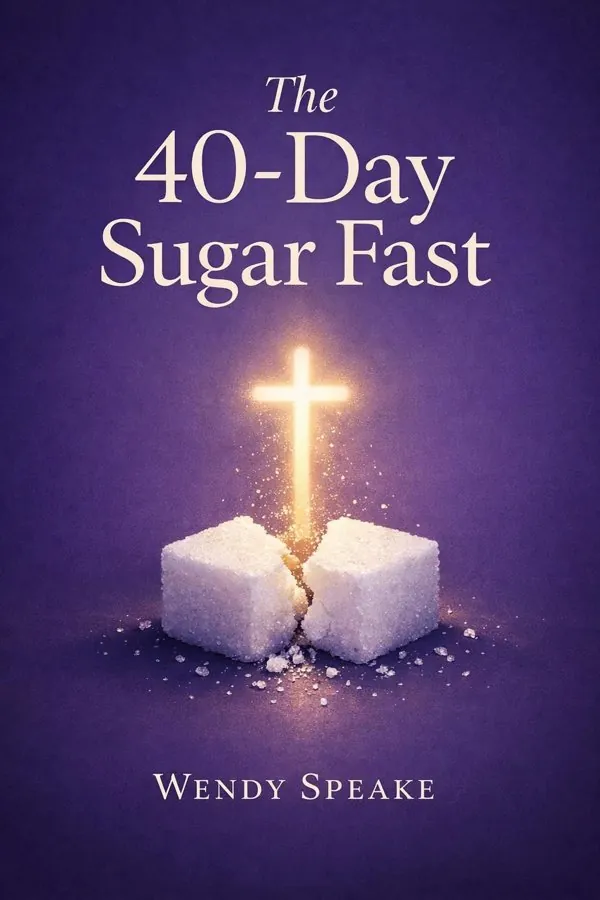
The 40-Day Sugar Fast: Where Physical Detox Meets Spiritual Transformation: Summary & Key Insights
by Wendy Speake
 10 min9 chaptersAudio available
Key Takeaways from The 40-Day Sugar Fast: Where Physical Detox Meets Spiritual Transformation
A craving is rarely just a craving.
Transformation rarely begins in the pantry; it begins in the heart.
What we run to for comfort can quietly become what we trust most.
Most habits thrive in the space where thought is absent.
When sugar goes away, more than appetite shows up.
What Is The 40-Day Sugar Fast: Where Physical Detox Meets Spiritual Transformation About?
The 40-Day Sugar Fast: Where Physical Detox Meets Spiritual Transformation by Wendy Speake is a wellness book spanning 5 pages. The 40-Day Sugar Fast is more than a nutrition reset or a short-term challenge to cut desserts. In this Christian devotional, Wendy Speake invites readers into a forty-day journey where physical discipline becomes a doorway to spiritual awakening. By fasting from sugar and, often, other comforting distractions, participants are encouraged to examine the deeper places of their hearts: the habits, hurts, cravings, and idols that keep them from intimacy with God. Speake argues that many of the things we reach for in moments of stress or emptiness are substitutes for the peace, comfort, and satisfaction only Christ can provide. What makes the book powerful is its blend of practical reality and devotional depth. It acknowledges the headaches, temptations, and routines that come with changing eating habits, while also offering daily Scripture, prayer, and reflection for inner renewal. Speake writes not merely as a wellness enthusiast but as a Bible teacher and experienced guide who has led many others through this fast. The result is a book that speaks to body and soul, helping readers pursue freedom, dependence on God, and lasting transformation.
This FizzRead summary covers all 9 key chapters of The 40-Day Sugar Fast: Where Physical Detox Meets Spiritual Transformation in approximately 10 minutes, distilling the most important ideas, arguments, and takeaways from Wendy Speake's work. Also available as an audio summary and Key Quotes Podcast.
The 40-Day Sugar Fast: Where Physical Detox Meets Spiritual Transformation
The 40-Day Sugar Fast is more than a nutrition reset or a short-term challenge to cut desserts. In this Christian devotional, Wendy Speake invites readers into a forty-day journey where physical discipline becomes a doorway to spiritual awakening. By fasting from sugar and, often, other comforting distractions, participants are encouraged to examine the deeper places of their hearts: the habits, hurts, cravings, and idols that keep them from intimacy with God. Speake argues that many of the things we reach for in moments of stress or emptiness are substitutes for the peace, comfort, and satisfaction only Christ can provide. What makes the book powerful is its blend of practical reality and devotional depth. It acknowledges the headaches, temptations, and routines that come with changing eating habits, while also offering daily Scripture, prayer, and reflection for inner renewal. Speake writes not merely as a wellness enthusiast but as a Bible teacher and experienced guide who has led many others through this fast. The result is a book that speaks to body and soul, helping readers pursue freedom, dependence on God, and lasting transformation.
Who Should Read The 40-Day Sugar Fast: Where Physical Detox Meets Spiritual Transformation?
This book is perfect for anyone interested in wellness and looking to gain actionable insights in a short read. Whether you're a student, professional, or lifelong learner, the key ideas from The 40-Day Sugar Fast: Where Physical Detox Meets Spiritual Transformation by Wendy Speake will help you think differently.
- ✓Readers who enjoy wellness and want practical takeaways
- ✓Professionals looking to apply new ideas to their work and life
- ✓Anyone who wants the core insights of The 40-Day Sugar Fast: Where Physical Detox Meets Spiritual Transformation in just 10 minutes
Want the full summary?
Get instant access to this book summary and 100K+ more with Fizz Moment.
Get Free SummaryAvailable on App Store • Free to download
Key Chapters
A craving is rarely just a craving. One of Wendy Speake’s most important insights is that our strong desire for sugar often points beyond food to something deeper happening in the soul. We tell ourselves we want chocolate, soda, or a late-night treat, but often what we are really seeking is relief, comfort, reward, distraction, or emotional anesthesia. Sugar becomes a quick answer to a deeper ache. Speake invites readers to see this not as a source of shame, but as a revealing opportunity. Every craving can uncover a question: What am I really hungry for right now?
This idea reframes fasting completely. Instead of seeing the absence of sugar as deprivation, readers are asked to treat it as diagnosis. If you reach for sweets after a hard conversation, perhaps you are craving comfort. If you want dessert every time you feel bored, perhaps you are trying to escape restlessness. If you snack secretly, perhaps you are coping with loneliness, resentment, or fatigue. In Speake’s framework, the body’s appetite becomes a mirror for the heart’s dependence.
The spiritual lesson is that human beings are made to hunger for God. We often misdirect that hunger toward food, entertainment, busyness, shopping, scrolling, or approval. The fast creates a pause between impulse and action, and in that pause we can learn to pray instead of consume. A practical approach is to keep a small journal during the fast and write down each craving: the time, trigger, emotion, and what you chose instead. Over time, patterns emerge.
The actionable takeaway is simple: the next time a sugar craving hits, ask, “What is my heart seeking right now?” Then bring that need honestly to God before deciding what to eat.
Transformation rarely begins in the pantry; it begins in the heart. Speake emphasizes that a meaningful fast requires preparation, not only in removing sugary foods from the kitchen but in identifying the emotional and spiritual conditions that make cravings powerful. Many people enter a fast with enthusiasm, only to quit when stress, family routines, social events, or hidden resentment surface. The problem is not simply weak willpower. Often, we start without understanding what we are actually relying on sugar to do for us.
Preparation means taking inventory. What situations drive you toward sweets? Is it fatigue at 3 p.m., loneliness after the kids are asleep, anxiety before work, or the habit of celebrating every small victory with a treat? Speake encourages readers to prayerfully name these triggers before day one. This makes the fast intentional rather than reactive. It also shifts the mindset from “I hope I can resist” to “I know where I am vulnerable, and I will meet those moments with prayer.”
She also presents preparation as surrender. Readers are invited to set realistic boundaries, tell supportive friends or family, plan simple meals, and create a spiritual response for predictable temptations. For example, someone who always eats sweets while watching TV might replace that routine with tea and a devotional. A person who stress-eats after work might take a ten-minute walk while praying through a Psalm before entering the kitchen.
The beauty of preparation is that it honors both body and soul. It removes unnecessary obstacles while making room for God to work. This is not legalism; it is wisdom. The fast is more fruitful when we enter it with prayer, awareness, and a plan.
The actionable takeaway: before beginning any fast, list your top five triggers, pair each with a specific prayer, and decide in advance how you will respond when temptation comes.
What we run to for comfort can quietly become what we trust most. Speake uses the language of idolatry not to condemn readers harshly, but to expose how easily good things become ruling things. Sugar itself is not presented as evil; rather, the deeper issue is whether it has become a dependable refuge in place of God. If a difficult day automatically sends us to the pantry, if celebration requires indulgence, or if emotional stability depends on a certain food ritual, then the heart may be attaching ultimate comfort to something temporary.
This is where the book moves beyond diet culture. Speake is not primarily trying to produce better eating habits, though those may result. She is trying to help readers ask a more searching question: What am I unwilling to live without? That question reveals attachment. For some, the object is dessert. For others, it may be caffeine, social media, shopping, or constant noise. The sugar fast becomes a training ground for surrendering whatever competes with God for first place.
Surrender is difficult because idols often serve a real emotional function. They soothe, reward, numb, or entertain. Removing them can make us feel exposed. But Speake argues that this discomfort is not failure; it is invitation. When our usual comforts are taken away, we can finally face the sadness, fear, anger, or emptiness we have been masking. In those moments, prayer becomes more honest. Worship becomes more necessary. Dependence becomes more real.
A practical application is to notice the language you use around food or treats. Do you say, “I need this,” “I deserve this,” or “I can’t handle tonight without this”? Those phrases may reveal misplaced trust. Replacing them with Scripture, breath prayer, or intentional stillness can redirect the heart.
The actionable takeaway: identify one thing besides sugar that has become a go-to comfort, and practice surrendering it to God for a set period along with the fast.
Most habits thrive in the space where thought is absent. Speake’s fast works by interrupting automatic behavior and filling that interruption with prayer. Instead of reaching immediately for sugar, readers are invited to pause, pray, and become present to God. This may sound simple, but it is deeply transformative. The difference between compulsion and communion is often just one intentional pause.
Prayer in this book is not reserved for quiet mornings or formal devotions. It becomes a practical tool for moments of temptation. A craving arrives, and instead of obeying it, the reader turns it into conversation with God: “Lord, I feel stressed. Be my peace.” “I want comfort right now. Meet me here.” “I feel deprived. Remind me of what is true.” Over time, these small prayers retrain the heart. The person who once numbed discomfort with sugar begins to bring discomfort into God’s presence.
This practice also helps readers recognize that fasting is not self-improvement through grit. It is relational. The goal is not merely to say no to sweets, but to say yes to deeper awareness of God. Prayer keeps the fast from becoming prideful, performative, or purely behavior-focused. It reminds readers that the deepest transformation comes not from discipline alone, but from grace.
Practical examples can make this easier. Keep a list of short prayers on your phone. Place Scripture cards where snacks used to be stored. Set an alarm for vulnerable times of day. If you usually crave sugar after dinner, plan a five-minute prayer walk instead. If you bake for your family and feel tempted, whisper a verse while you cook.
The actionable takeaway: create a personal “craving prayer” of one sentence and repeat it every time temptation rises, allowing prayer to become your first response instead of your last resort.
When sugar goes away, more than appetite shows up. Speake points out that fasting often brings buried emotions to the surface. Irritability, sadness, anxiety, anger, fatigue, and even grief can intensify when a familiar coping mechanism is removed. Many people interpret this as a sign that the fast is not working, but Speake suggests the opposite. The discomfort may be revealing what was there all along, hidden beneath constant consumption.
This is one of the book’s most compassionate themes. Healing begins when we stop numbing ourselves long enough to tell the truth. Perhaps food has helped us avoid disappointment, unprocessed trauma, bitterness, insecurity, or chronic stress. In ordinary life, these wounds remain muffled by routine indulgence. During the fast, they become audible. That can feel unsettling, but it also opens the door to repentance, prayer, confession, and renewal.
Speake presents repentance not as self-condemnation, but as returning. It is the act of turning away from false comforts and back toward the God who heals. Readers are encouraged to confess both unhealthy habits and the deeper heart issues attached to them. For instance, stress-eating may reveal a desire for control. Secret snacking may reveal shame. Reward eating may reveal exhaustion and the absence of healthy rest. Naming these things before God is part of the healing process.
A practical application is to treat difficult emotions during the fast as prompts rather than problems. When anger rises, ask what wound it points to. When sadness appears, resist the urge to cover it immediately. Consider journaling after cravings or emotional episodes, then bringing those observations into prayer or trusted conversation.
The actionable takeaway: when a strong emotion surfaces during the fast, don’t rush to silence it. Write it down, name it before God, and ask what healing He may be inviting you into.
Big transformation is usually the result of small obediences repeated over time. The forty-day structure of Speake’s book matters because it gives readers enough time to move beyond novelty and into formation. A two-day effort may reveal dependence, but forty days begins to reshape reflexes. This duration allows participants to experience temptation, failure, recommitment, breakthrough, and growing steadiness. In other words, it mirrors real discipleship.
Speake treats discipline as a gift rather than punishment. In a culture that celebrates instant gratification, daily restraint teaches patience, attention, and endurance. Saying no to sugar in one moment may seem minor, but that small act strengthens the muscle of obedience. Over time, readers discover they are not as helpless before cravings as they once assumed. More importantly, they learn that discipline can be fueled by love rather than fear. They are not trying to earn God’s favor; they are responding to His invitation.
This principle reaches beyond food. The habits practiced in the fast can reshape other areas of life. The person who learns to pause before eating impulsively may begin to pause before speaking in anger. The one who turns cravings into prayer may also learn to turn anxiety, envy, or loneliness into prayer. Daily faithfulness in one arena can spill into many others.
Practical consistency matters. Speake’s devotional rhythm gives each day a focus, which helps readers stay engaged. Pairing Scripture reading with meal planning, hydration, sleep, and accountability creates a sustainable environment for change. Even after setbacks, returning the next day matters more than maintaining perfection.
The actionable takeaway: choose one small daily practice to anchor the fast, such as reading the day’s devotion before breakfast or praying before every meal, and let consistency become more important than intensity.
Private intentions often crumble under public life. Speake understands that fasting is deeply personal, but she also recognizes that it becomes far more sustainable when shared with others. Community provides encouragement, perspective, and accountability during the moments when motivation dips. A person trying to fast alone may interpret every struggle as a personal failure. In community, that same struggle becomes normalized, discussed, and supported.
This is especially important because sugar is socially embedded. Birthdays, office treats, holidays, family baking, coffee dates, and restaurant desserts can make the fast feel isolating. Accountability helps readers prepare for these moments rather than getting ambushed by them. A friend can check in before a difficult event. A spouse can support meal planning. A small group can pray for perseverance. Even an online community can remind participants that they are not strange or weak for finding this difficult.
Speake’s broader ministry reflects this communal dimension. Her fasting challenges are not built merely around information, but around shared journey. Seeing others admit their triggers and celebrate their progress creates hope. It also guards against pride. When fasting is done in fellowship, participants are reminded that everyone has areas of weakness and everyone needs grace.
Practical application can be simple. Tell one trusted person why you are doing the fast and how they can support you. Ask them not just to monitor your food choices, but to ask deeper questions: What emotions are surfacing? How is your prayer life changing? What have you learned about dependence? You might also create alternate ways to connect socially that do not revolve around treats, such as walks, tea, or shared devotional time.
The actionable takeaway: choose one accountability partner before you begin and schedule regular check-ins focused on both behavior and heart-level transformation.
Fasting becomes miserable when it is framed only by what is missing. Speake consistently redirects readers from deprivation to gratitude. The goal is not to obsess over forbidden foods, but to awaken joy in God’s provision, presence, and sufficiency. This shift is crucial because people rarely sustain change through resentment. If the fast feels like a punishment, cravings often grow stronger. But when it becomes an opportunity to notice grace, perspective changes.
Gratitude works as a spiritual counterweight to entitlement. Much unhealthy eating grows out of the belief that we deserve constant comfort, reward, or indulgence. Speake challenges that mindset by inviting readers to receive ordinary nourishment with thanksgiving. A simple meal can become enough. A cup of tea can become a moment of peace. Prayer can become a real source of delight rather than a duty. Joy, in this sense, is not the denial of difficulty; it is the discovery that pleasure does not have to be exaggerated to be meaningful.
This also helps readers avoid the all-or-nothing trap. If fasting is only about restriction, one lapse can feel like total failure. But if it is about growing in gratitude, then every moment remains an opportunity to return, receive grace, and continue. Gratitude makes the journey lighter and more sustainable.
Practical ways to cultivate this include keeping a daily gratitude list, thanking God before meals with specific awareness, and noticing non-food gifts that bring refreshment: sunlight, Scripture, laughter, rest, friendship, or music. Celebrating these gifts retrains the mind away from scarcity.
The actionable takeaway: end each day of the fast by writing down three ways God provided for you, training your heart to focus on abundance rather than what you gave up.
A meaningful fast should change more than forty days; it should reshape the life that follows. Speake does not present the sugar fast as a temporary spiritual stunt or a rigid system for lifelong food control. Instead, she points readers toward a more balanced and surrendered way of living. The purpose is to learn freedom. That means the end goal is not perfection, but a new relationship with food, desire, and God.
This is an essential corrective in a culture of extremes. Many people swing between indulgence and harsh restriction, between emotional eating and self-punishing discipline. Speake offers a third way. By using the fast as a season of revelation and recalibration, readers can emerge with greater self-awareness and healthier rhythms. They may choose to continue limiting sugar, but the deeper victory is no longer being ruled by it. They can enjoy food without worshiping it, abstain without boasting, and recover from setbacks without spiraling into shame.
Lasting balance also requires ongoing practices. Readers may need to keep some boundaries in place, especially around trigger foods or vulnerable times. They may continue journaling, praying through cravings, or scheduling regular mini-fasts to stay attentive. The point is not to live in fear of sugar, but to live in freedom from compulsion.
This balanced view protects the heart from legalism. Spiritual growth is not measured by a flawless record, but by increasing honesty, dependence, and obedience. If readers leave the fast more aware of their need for God and more equipped to respond to cravings with wisdom, the journey has done its work.
The actionable takeaway: after the forty days, write a simple personal rule of life for food and spiritual habits, focusing on freedom, moderation, and continued dependence on God rather than perfectionism.
All Chapters in The 40-Day Sugar Fast: Where Physical Detox Meets Spiritual Transformation
About the Author
Wendy Speake is an author, speaker, and Bible teacher whose work focuses on spiritual growth, surrender, and everyday faithfulness. She is widely known for guiding readers through devotional challenges that connect ordinary habits with deeper heart transformation, particularly in areas such as food, distraction, and dependence on comfort. Speake’s writing blends biblical reflection with practical application, making her especially appealing to Christian readers who want spiritual insight they can live out day by day. In addition to writing books, she has led online fasting communities that encourage participants to exchange unhealthy cravings for greater intimacy with God. Her voice is warm, direct, and pastoral, calling readers not toward perfectionism but toward repentance, freedom, and renewed joy in Christ.
Get This Summary in Your Preferred Format
Read or listen to the The 40-Day Sugar Fast: Where Physical Detox Meets Spiritual Transformation summary by Wendy Speake anytime, anywhere. FizzRead offers multiple formats so you can learn on your terms — all free.
Available formats: App · Audio · PDF · EPUB — All included free with FizzRead
Download The 40-Day Sugar Fast: Where Physical Detox Meets Spiritual Transformation PDF and EPUB Summary
Key Quotes from The 40-Day Sugar Fast: Where Physical Detox Meets Spiritual Transformation
“One of Wendy Speake’s most important insights is that our strong desire for sugar often points beyond food to something deeper happening in the soul.”
“Transformation rarely begins in the pantry; it begins in the heart.”
“What we run to for comfort can quietly become what we trust most.”
“Most habits thrive in the space where thought is absent.”
“When sugar goes away, more than appetite shows up.”
Frequently Asked Questions about The 40-Day Sugar Fast: Where Physical Detox Meets Spiritual Transformation
The 40-Day Sugar Fast: Where Physical Detox Meets Spiritual Transformation by Wendy Speake is a wellness book that explores key ideas across 9 chapters. The 40-Day Sugar Fast is more than a nutrition reset or a short-term challenge to cut desserts. In this Christian devotional, Wendy Speake invites readers into a forty-day journey where physical discipline becomes a doorway to spiritual awakening. By fasting from sugar and, often, other comforting distractions, participants are encouraged to examine the deeper places of their hearts: the habits, hurts, cravings, and idols that keep them from intimacy with God. Speake argues that many of the things we reach for in moments of stress or emptiness are substitutes for the peace, comfort, and satisfaction only Christ can provide. What makes the book powerful is its blend of practical reality and devotional depth. It acknowledges the headaches, temptations, and routines that come with changing eating habits, while also offering daily Scripture, prayer, and reflection for inner renewal. Speake writes not merely as a wellness enthusiast but as a Bible teacher and experienced guide who has led many others through this fast. The result is a book that speaks to body and soul, helping readers pursue freedom, dependence on God, and lasting transformation.
You Might Also Like
How We Heal: Uncover Your Power and Set Yourself Free
Alexandra Elle
10 min
A Year of Self-Care: Daily Practices and Inspiration for Caring for Yourself
Zoe Shaw
10 min
Biohacker’s Handbook: Upgrade Your Life
Olli Sovijärvi, Teemu Arina, Jaakko Halmetoja
10 min
Bliss More: How to Succeed in Meditation Without Really Trying
Light Watkins
10 min
Body Kindness: Transform Your Health from the Inside Out—and Never Say Diet Again
Rebecca Scritchfield
10 min
Cook, Eat, Run: Cook Fast, Boost Performance with 75 Ultimate Recipes for Runners
Charlie Watson
10 minBrowse by Category
Ready to read The 40-Day Sugar Fast: Where Physical Detox Meets Spiritual Transformation?
Get the full summary and 100K+ more books with Fizz Moment.