
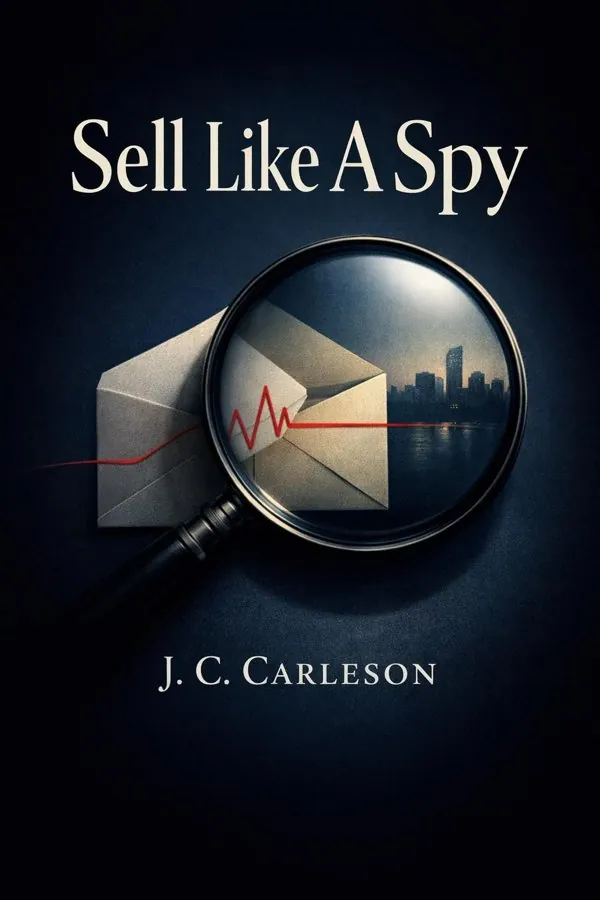
Sell Like A Spy: The Art of Persuasion from the World of Espionage: Summary & Key Insights
 10 min6 chaptersAudio available
What Is Sell Like A Spy: The Art of Persuasion from the World of Espionage About?
Sell Like A Spy: The Art of Persuasion from the World of Espionage by J. C. Carleson is a marketing book spanning 6 pages. Written by former CIA officer J. C. Carleson, this book reveals how intelligence-gathering and persuasion techniques used in espionage can be applied to business and sales. Drawing from real-world experience, Carleson explains how to build trust, read people, and influence decisions ethically and effectively.
This FizzRead summary covers all 6 key chapters of Sell Like A Spy: The Art of Persuasion from the World of Espionage in approximately 10 minutes, distilling the most important ideas, arguments, and takeaways from J. C. Carleson's work. Also available as an audio summary and Key Quotes Podcast.
Sell Like A Spy: The Art of Persuasion from the World of Espionage
Written by former CIA officer J. C. Carleson, this book reveals how intelligence-gathering and persuasion techniques used in espionage can be applied to business and sales. Drawing from real-world experience, Carleson explains how to build trust, read people, and influence decisions ethically and effectively.
Who Should Read Sell Like A Spy: The Art of Persuasion from the World of Espionage?
This book is perfect for anyone interested in marketing and looking to gain actionable insights in a short read. Whether you're a student, professional, or lifelong learner, the key ideas from Sell Like A Spy: The Art of Persuasion from the World of Espionage by J. C. Carleson will help you think differently.
- ✓Readers who enjoy marketing and want practical takeaways
- ✓Professionals looking to apply new ideas to their work and life
- ✓Anyone who wants the core insights of Sell Like A Spy: The Art of Persuasion from the World of Espionage in just 10 minutes
Want the full summary?
Get instant access to this book summary and 100K+ more with Fizz Moment.
Get Free SummaryAvailable on App Store • Free to download
Key Chapters
Every successful intelligence operation begins with one question: why does a person do what they do? In the field, my survival often hinged on deciphering motives that were never spoken aloud. Similarly, in business, to sell effectively, you must pierce through surface behavior and reach the underlying motivations, fears, and desires driving your client.
A spy is trained to view behavior as a layered signal—not just what is said, but what is implied. This mindset transforms ordinary observation into psychological insight. Whether assessing a source in Damascus or meeting a potential client in New York, the same analytical framework applies: identify what a person seeks to gain, what they might lose, and what emotional triggers guide their choices.
In sales, many professionals focus on product features or competitive pricing. But real persuasion begins much deeper, within the psychological landscape of the human being across the table. Understanding behavior means investing time to study patterns, listening for inconsistencies, and interpreting pauses and tone shifts as clues. Fear of risk, desire for status, need for belonging—these forces shape decisions far more than logic ever can.
To think like an intelligence officer is to adopt empathy as your operating system. Empathy is not sympathy; it’s precision. It’s about stepping into another’s perspective, mapping their needs, and using that insight to guide your communication. If persuasion is the weapon, empathy is the aim.
Once you grasp human behavior as a dynamic network of motivations, everything changes. You stop reacting to rejection personally and start decoding it professionally. You stop guessing what people want and start predicting what they’ll respond to. That’s the spy’s advantage—and the sales professional’s hidden power.
In espionage, trust is the currency of survival. When you approach someone to share secrets that could endanger their lives, every variable of trust matters: appearance, tone, consistency, authenticity. In business, though the stakes may not involve national security, the same psychological mechanics apply. People buy from those they trust, collaborate with those they believe in, and follow those who demonstrate integrity.
Spies learn quickly that trust cannot be demanded; it must be earned through conduct that aligns with the other person’s expectations and emotional comfort. I learned to cultivate credibility with sources by demonstrating reliability—keeping promises both large and small—and showing genuine interest beyond professional goals. In sales, credibility emerges when clients sense you care more about solving their problem than advancing your own agenda.
Trust-building is a slow burn. It builds through consistent signals and small confirmations. When your words match your actions, when you anticipate needs without exploiting vulnerability, and when you remain transparent even when it’s not convenient, you generate the same psychological safety a successful spy fosters with an asset. The moment that safety exists, communication flows freely.
Incorporating this principle into your daily work means focusing more on honesty than charm. Charm may open a conversation, but integrity sustains it. Whether you’re negotiating contracts or leading a team, think like an operative: what small gestures can reinforce reliability? What shared experiences or vulnerabilities can humanize the interaction? Once trust forms, persuasion becomes effortless because the other person begins to advocate for you internally—the true definition of influence.
+ 4 more chapters — available in the FizzRead app
All Chapters in Sell Like A Spy: The Art of Persuasion from the World of Espionage
About the Author
J. C. Carleson is a former undercover CIA officer who has worked in the Middle East and other regions. After leaving the agency, she became a corporate consultant and author, focusing on communication, leadership, and persuasion strategies derived from intelligence work.
Get This Summary in Your Preferred Format
Read or listen to the Sell Like A Spy: The Art of Persuasion from the World of Espionage summary by J. C. Carleson anytime, anywhere. FizzRead offers multiple formats so you can learn on your terms — all free.
Available formats: App · Audio · PDF · EPUB — All included free with FizzRead
Download Sell Like A Spy: The Art of Persuasion from the World of Espionage PDF and EPUB Summary
Key Quotes from Sell Like A Spy: The Art of Persuasion from the World of Espionage
“Every successful intelligence operation begins with one question: why does a person do what they do?”
“In espionage, trust is the currency of survival.”
Frequently Asked Questions about Sell Like A Spy: The Art of Persuasion from the World of Espionage
Sell Like A Spy: The Art of Persuasion from the World of Espionage by J. C. Carleson is a marketing book that explores key ideas across 6 chapters. Written by former CIA officer J. C. Carleson, this book reveals how intelligence-gathering and persuasion techniques used in espionage can be applied to business and sales. Drawing from real-world experience, Carleson explains how to build trust, read people, and influence decisions ethically and effectively.
You Might Also Like
Captivology: The Science of Capturing People's Attention
Ben Parr
10 min
Marketing 5.0: Technology for Humanity
Philip Kotler, Hermawan Kartajaya, Iwan Setiawan
10 min
Marketing Strategy
Paul Fifield
10 min
UnMarketing: Stop Marketing. Start Engaging.
Scott Stratten
10 min
$100M Leads: How to Get Strangers to Want to Buy Your Stuff
Alex Hormozi
10 min
80/20 Sales and Marketing: The Definitive Guide to Working Less and Making More
Perry Marshall
10 minBrowse by Category
Ready to read Sell Like A Spy: The Art of Persuasion from the World of Espionage?
Get the full summary and 100K+ more books with Fizz Moment.