
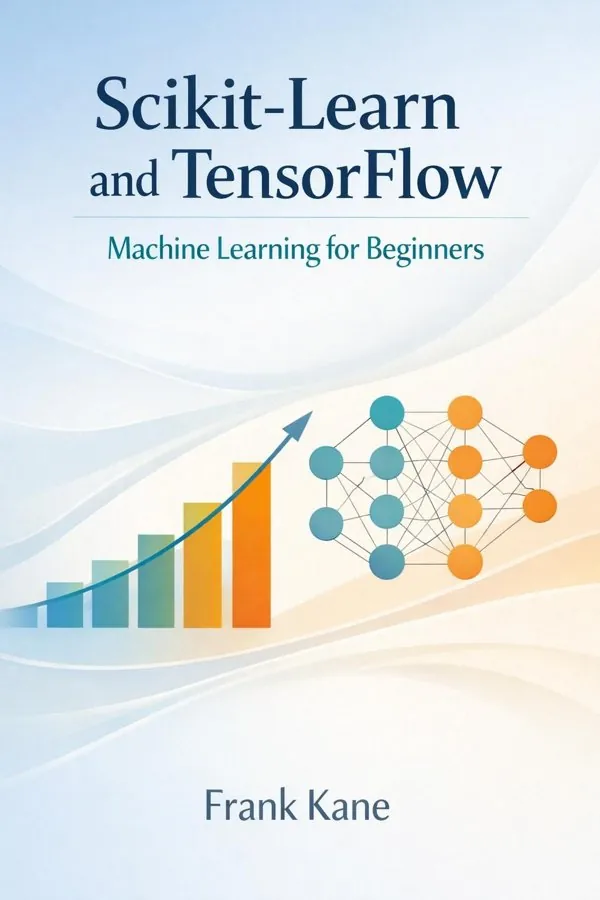
Scikit-Learn and TensorFlow Machine Learning for Beginners: A Practical Guide to Building Intelligent Systems Using Python: Summary & Key Insights
by Frank Kane
 10 min7 chaptersAudio available
What Is Scikit-Learn and TensorFlow Machine Learning for Beginners: A Practical Guide to Building Intelligent Systems Using Python About?
Scikit-Learn and TensorFlow Machine Learning for Beginners: A Practical Guide to Building Intelligent Systems Using Python by Frank Kane is a ai_ml book spanning 7 pages. This book introduces readers to the fundamentals of machine learning using two of the most popular Python libraries: Scikit-Learn and TensorFlow. It provides step-by-step examples and practical exercises to help beginners understand key concepts such as supervised and unsupervised learning, neural networks, and model evaluation. The author emphasizes hands-on learning through coding and real-world applications, making complex topics accessible to newcomers in data science and AI.
This FizzRead summary covers all 7 key chapters of Scikit-Learn and TensorFlow Machine Learning for Beginners: A Practical Guide to Building Intelligent Systems Using Python in approximately 10 minutes, distilling the most important ideas, arguments, and takeaways from Frank Kane's work. Also available as an audio summary and Key Quotes Podcast.
Scikit-Learn and TensorFlow Machine Learning for Beginners: A Practical Guide to Building Intelligent Systems Using Python
This book introduces readers to the fundamentals of machine learning using two of the most popular Python libraries: Scikit-Learn and TensorFlow. It provides step-by-step examples and practical exercises to help beginners understand key concepts such as supervised and unsupervised learning, neural networks, and model evaluation. The author emphasizes hands-on learning through coding and real-world applications, making complex topics accessible to newcomers in data science and AI.
Who Should Read Scikit-Learn and TensorFlow Machine Learning for Beginners: A Practical Guide to Building Intelligent Systems Using Python?
This book is perfect for anyone interested in ai_ml and looking to gain actionable insights in a short read. Whether you're a student, professional, or lifelong learner, the key ideas from Scikit-Learn and TensorFlow Machine Learning for Beginners: A Practical Guide to Building Intelligent Systems Using Python by Frank Kane will help you think differently.
- ✓Readers who enjoy ai_ml and want practical takeaways
- ✓Professionals looking to apply new ideas to their work and life
- ✓Anyone who wants the core insights of Scikit-Learn and TensorFlow Machine Learning for Beginners: A Practical Guide to Building Intelligent Systems Using Python in just 10 minutes
Want the full summary?
Get instant access to this book summary and 100K+ more with Fizz Moment.
Get Free SummaryAvailable on App Store • Free to download
Key Chapters
Before diving deep into algorithms, I want you to grasp the foundational vision of machine learning. At its core, machine learning is about teaching computers to learn from data rather than explicit rules. That’s why we start with an overview of how Python supports this process. Python’s simplicity means you can focus on what matters most: turning data into insight.
Scikit-Learn is where we start. It offers a structured environment to experiment with supervised and unsupervised learning, classifier models, and cross-validation techniques. Installation is simple, but understanding its mindset is essential: everything revolves around consistent inputs and outputs—feature arrays in, prediction arrays out. This structured design trains your intuition for how models behave.
Once Scikit-Learn becomes comfortable, we move into TensorFlow. TensorFlow extends your reach from classic machine learning into deep learning territory. In this book, I walk you through setting up TensorFlow and Keras, introducing you to tensors and computational graphs. These may sound abstract, but by building your first small neural network, the system’s logic reveals itself. I consistently emphasize that experimentation—testing and refining code—is the true teacher. Every line you execute moves you closer to mastery.
+ 5 more chapters — available in the FizzRead app
All Chapters in Scikit-Learn and TensorFlow Machine Learning for Beginners: A Practical Guide to Building Intelligent Systems Using Python
About the Author
Frank Kane is a data science educator and former Amazon engineer specializing in machine learning and big data technologies. He has developed numerous online courses and books that simplify complex technical subjects for beginners and professionals alike.
Get This Summary in Your Preferred Format
Read or listen to the Scikit-Learn and TensorFlow Machine Learning for Beginners: A Practical Guide to Building Intelligent Systems Using Python summary by Frank Kane anytime, anywhere. FizzRead offers multiple formats so you can learn on your terms — all free.
Available formats: App · Audio · PDF · EPUB — All included free with FizzRead
Download Scikit-Learn and TensorFlow Machine Learning for Beginners: A Practical Guide to Building Intelligent Systems Using Python PDF and EPUB Summary
Key Quotes from Scikit-Learn and TensorFlow Machine Learning for Beginners: A Practical Guide to Building Intelligent Systems Using Python
“Before diving deep into algorithms, I want you to grasp the foundational vision of machine learning.”
“Before any model can shine, the data must be respected.”
Frequently Asked Questions about Scikit-Learn and TensorFlow Machine Learning for Beginners: A Practical Guide to Building Intelligent Systems Using Python
Scikit-Learn and TensorFlow Machine Learning for Beginners: A Practical Guide to Building Intelligent Systems Using Python by Frank Kane is a ai_ml book that explores key ideas across 7 chapters. This book introduces readers to the fundamentals of machine learning using two of the most popular Python libraries: Scikit-Learn and TensorFlow. It provides step-by-step examples and practical exercises to help beginners understand key concepts such as supervised and unsupervised learning, neural networks, and model evaluation. The author emphasizes hands-on learning through coding and real-world applications, making complex topics accessible to newcomers in data science and AI.
You Might Also Like
Life 3.0
Max Tegmark
10 min
Superintelligence
Nick Bostrom
10 min
TensorFlow in Action
Thushan Ganegedara
10 min
AI Made Simple: A Beginner’s Guide to Generative AI, ChatGPT, and the Future of Work
Rajeev Kapur
10 min
AI Snake Oil
Arvind Narayanan, Sayash Kapoor
10 min
AI Superpowers: China, Silicon Valley, and the New World Order
Kai-Fu Lee
10 minBrowse by Category
Ready to read Scikit-Learn and TensorFlow Machine Learning for Beginners: A Practical Guide to Building Intelligent Systems Using Python?
Get the full summary and 100K+ more books with Fizz Moment.