
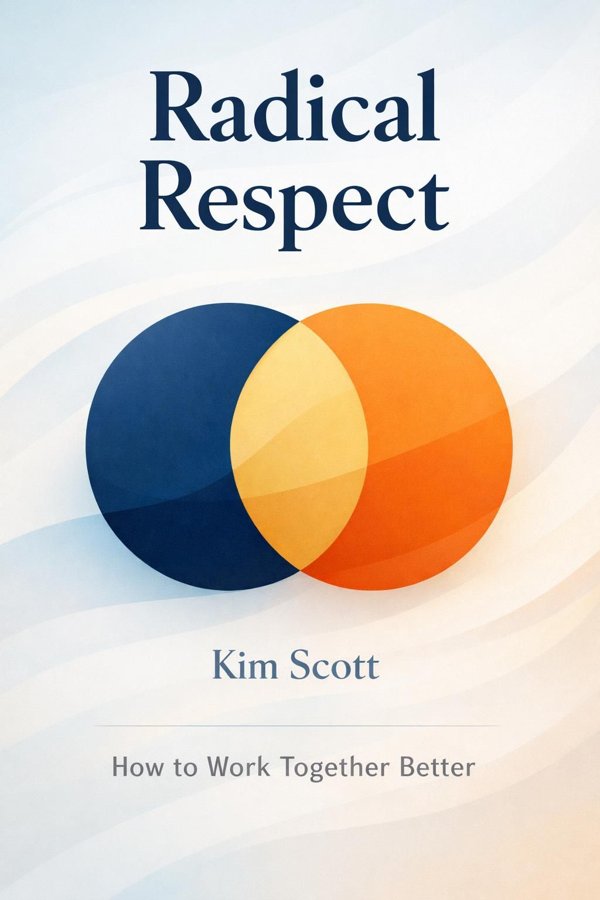
Radical Respect: How to Work Together Better: Summary & Key Insights
by Kim Scott
 10 min11 chaptersAudio available
What Is Radical Respect: How to Work Together Better About?
Radical Respect: How to Work Together Better by Kim Scott is a leadership book spanning 11 pages. In 'Radical Respect', Kim Scott expands on the ideas from her earlier work 'Radical Candor' to explore how individuals and organizations can build workplaces rooted in respect, collaboration, and inclusion. The book provides practical frameworks for addressing bias, prejudice, and bullying, and for fostering environments where everyone can contribute fully and feel valued. Scott combines research, real-world examples, and actionable advice to help leaders and teams create cultures of mutual respect and psychological safety.
This FizzRead summary covers all 11 key chapters of Radical Respect: How to Work Together Better in approximately 10 minutes, distilling the most important ideas, arguments, and takeaways from Kim Scott's work. Also available as an audio summary and Key Quotes Podcast.
Radical Respect: How to Work Together Better
In 'Radical Respect', Kim Scott expands on the ideas from her earlier work 'Radical Candor' to explore how individuals and organizations can build workplaces rooted in respect, collaboration, and inclusion. The book provides practical frameworks for addressing bias, prejudice, and bullying, and for fostering environments where everyone can contribute fully and feel valued. Scott combines research, real-world examples, and actionable advice to help leaders and teams create cultures of mutual respect and psychological safety.
Who Should Read Radical Respect: How to Work Together Better?
This book is perfect for anyone interested in leadership and looking to gain actionable insights in a short read. Whether you're a student, professional, or lifelong learner, the key ideas from Radical Respect: How to Work Together Better by Kim Scott will help you think differently.
- ✓Readers who enjoy leadership and want practical takeaways
- ✓Professionals looking to apply new ideas to their work and life
- ✓Anyone who wants the core insights of Radical Respect: How to Work Together Better in just 10 minutes
Want the full summary?
Get instant access to this book summary and 100K+ more with Fizz Moment.
Get Free SummaryAvailable on App Store • Free to download
Key Chapters
Respect, as I define it, is not the same thing as being nice or agreeable. Too often, workplaces mistake politeness for respect, when in truth, niceness can mask avoidance or even complicity. Real respect begins with the willingness to see other people as whole human beings—complex, imperfect, equally deserving of dignity.
When we respect others, we acknowledge both their individuality and their humanity. It means recognizing the power dynamics at play and choosing to respond with empathy rather than ego. In practice, this might mean holding space for a junior team member’s perspective during a meeting or acknowledging when someone has been interrupted before they could finish their thought. Niceness might smooth things over superficially; respect repairs what is real.
Respect is also reciprocal and behavioral—it’s not abstract. It’s built through daily interactions, through how we listen, how we disagree, how we take ownership when we’ve erred. To work with radical respect means committing to continuous learning about our own blind spots and to holding others accountable for showing up as respectful colleagues. That’s the groundwork for everything that follows: tackling bias, prejudice, and bullying.
Bias is the unintentional first crack in respect. It’s the set of shortcuts our brains take to navigate a complex world, often without awareness. When left unchecked, bias quietly distorts fairness and skews decisions—from who gets invited to speak in a meeting to who’s considered ‘leadership material.’
In *Radical Respect*, I distinguish between bias, prejudice, and bullying to help us respond appropriately to each. Bias is unintentional; it’s revealed in assumptions rather than deliberate actions. That’s why the first step toward change is awareness without shame. Shaming people for unconscious bias only drives it underground. Instead, we need language, curiosity, and shared responsibility.
One effective tactic I discuss is creating *bias interrupters*: short, respectful phrases that gently point out when bias might be creeping in. For example, a team member might say, “I’m not sure we’re giving everyone equal airtime,” when one person dominates the conversation. These micro-interventions build a culture where identifying bias is normal and welcomed, not accused.
Ultimately, recognizing bias is about humility. None of us is immune, but all of us can work to limit its influence. When we treat bias awareness as a collective skill rather than a moral indictment, we create workplaces that learn rather than divide.
+ 9 more chapters — available in the FizzRead app
All Chapters in Radical Respect: How to Work Together Better
About the Author
Kim Scott is an American author, executive coach, and former Google and Apple leader. She is best known for her books 'Radical Candor' and 'Just Work', which focus on leadership, communication, and workplace culture. Scott co-founded Radical Candor, LLC, a company that helps organizations build better relationships at work.
Get This Summary in Your Preferred Format
Read or listen to the Radical Respect: How to Work Together Better summary by Kim Scott anytime, anywhere. FizzRead offers multiple formats so you can learn on your terms — all free.
Available formats: App · Audio · PDF · EPUB — All included free with FizzRead
Download Radical Respect: How to Work Together Better PDF and EPUB Summary
Key Quotes from Radical Respect: How to Work Together Better
“Respect, as I define it, is not the same thing as being nice or agreeable.”
“Bias is the unintentional first crack in respect.”
Frequently Asked Questions about Radical Respect: How to Work Together Better
Radical Respect: How to Work Together Better by Kim Scott is a leadership book that explores key ideas across 11 chapters. In 'Radical Respect', Kim Scott expands on the ideas from her earlier work 'Radical Candor' to explore how individuals and organizations can build workplaces rooted in respect, collaboration, and inclusion. The book provides practical frameworks for addressing bias, prejudice, and bullying, and for fostering environments where everyone can contribute fully and feel valued. Scott combines research, real-world examples, and actionable advice to help leaders and teams create cultures of mutual respect and psychological safety.
More by Kim Scott
You Might Also Like

Extreme Ownership
Jocko Willink
10 min
Dare to Lead
Brene Brown
10 min
Leaders Eat Last
Simon Sinek
10 min
The 21 Irrefutable Laws of Leadership
John Maxwell
10 min
Start With Why
Simon Sinek
10 min
How to Lead When You're Not in Charge
Clay Scroggins
10 minBrowse by Category
Ready to read Radical Respect: How to Work Together Better?
Get the full summary and 100K+ more books with Fizz Moment.