

Not Nice: Stop People Pleasing, Staying Silent, and Feeling Guilty... and Start Speaking Up, Saying No, Asking Boldly, and Unapologetically Being Yourself: Summary & Key Insights
 10 min6 chaptersAudio available
What Is Not Nice: Stop People Pleasing, Staying Silent, and Feeling Guilty... and Start Speaking Up, Saying No, Asking Boldly, and Unapologetically Being Yourself About?
Not Nice: Stop People Pleasing, Staying Silent, and Feeling Guilty... and Start Speaking Up, Saying No, Asking Boldly, and Unapologetically Being Yourself by Aziz Gazipura is a self_awareness book spanning 6 pages. In this self-help book, psychologist Aziz Gazipura explores how excessive niceness can lead to self-suppression, resentment, and lack of fulfillment. He provides practical strategies to overcome people-pleasing habits, set healthy boundaries, and cultivate authentic confidence. Through psychological insights and actionable exercises, Gazipura guides readers toward assertiveness and genuine self-expression.
This FizzRead summary covers all 6 key chapters of Not Nice: Stop People Pleasing, Staying Silent, and Feeling Guilty... and Start Speaking Up, Saying No, Asking Boldly, and Unapologetically Being Yourself in approximately 10 minutes, distilling the most important ideas, arguments, and takeaways from Aziz Gazipura's work. Also available as an audio summary and Key Quotes Podcast.
Not Nice: Stop People Pleasing, Staying Silent, and Feeling Guilty... and Start Speaking Up, Saying No, Asking Boldly, and Unapologetically Being Yourself
In this self-help book, psychologist Aziz Gazipura explores how excessive niceness can lead to self-suppression, resentment, and lack of fulfillment. He provides practical strategies to overcome people-pleasing habits, set healthy boundaries, and cultivate authentic confidence. Through psychological insights and actionable exercises, Gazipura guides readers toward assertiveness and genuine self-expression.
Who Should Read Not Nice: Stop People Pleasing, Staying Silent, and Feeling Guilty... and Start Speaking Up, Saying No, Asking Boldly, and Unapologetically Being Yourself?
This book is perfect for anyone interested in self_awareness and looking to gain actionable insights in a short read. Whether you're a student, professional, or lifelong learner, the key ideas from Not Nice: Stop People Pleasing, Staying Silent, and Feeling Guilty... and Start Speaking Up, Saying No, Asking Boldly, and Unapologetically Being Yourself by Aziz Gazipura will help you think differently.
- ✓Readers who enjoy self_awareness and want practical takeaways
- ✓Professionals looking to apply new ideas to their work and life
- ✓Anyone who wants the core insights of Not Nice: Stop People Pleasing, Staying Silent, and Feeling Guilty... and Start Speaking Up, Saying No, Asking Boldly, and Unapologetically Being Yourself in just 10 minutes
Want the full summary?
Get instant access to this book summary and 100K+ more with Fizz Moment.
Get Free SummaryAvailable on App Store • Free to download
Key Chapters
Let’s begin at the core of the problem. Niceness seems harmless, even virtuous. But when being nice becomes compulsive—when it overrides honesty and boundaries—it becomes a psychological trap. Growing up, most of us are rewarded for being polite, helpful, and easygoing. We learn quickly that pleasing others brings praise, while asserting ourselves can bring tension or punishment. And so we adapt. We internalize the lesson: to be accepted, we must suppress our real feelings.
In my clinical practice, I’ve seen how pervasive this conditioning is. People come to therapy not because they’re overtly unhappy—they’re often functioning quite well—but because they feel invisible. They’ve spent years saying yes when they meant no, apologizing for things they didn’t do, and accommodating others at the cost of their own peace. This creates a deep split between the public persona and the private self. The person you show the world is agreeable, calm, and always available. The person behind that mask is anxious, resentful, and exhausted.
Niceness, then, isn’t about kindness—it’s about fear. It’s a strategy to avoid rejection and maintain control through approval. But this strategy has a hidden cost. When you consistently avoid conflict, you sacrifice authenticity. People might like you—but they do not truly know you. Worse, you begin to lose touch with your own desires, because every decision is filtered through what others might think.
The first step out of this trap is awareness. You must see niceness as a learned behavior, not an identity. You must separate your genuine kindness from the compulsive compliance that disguises fear as virtue. This awareness alone is liberating. When you start noticing the moments you hold back—when you realize that silence and agreement are acts of self-preservation—you open the door to choice. You no longer have to be nice. You can be real.
If niceness is a mask, fear is what keeps it glued to our faces. Most people-pleasing behaviors are driven by the same trio of fears: fear of rejection, fear of conflict, and fear of disapproval. These fears are deeply human and often unconscious. We’ve been told since childhood that love and safety depend on how well we meet others’ expectations.
Fear of rejection is the most primal. It whispers that if you stand your ground, people will abandon you. Fear of conflict tells you that disagreement threatens relationships. And fear of disapproval convinces you that your worth depends on others’ positive opinions. These fears keep you in a constant state of monitoring—always scanning for signs that someone might be upset or disappointed.
This mental vigilance drains your confidence and prevents genuine intimacy. When every conversation feels like a test of acceptance, you can’t truly connect. You’re performing rather than relating. Ironically, avoiding conflict often leads to more tension. When you swallow your opinions and feelings, they don’t disappear—they accumulate. And eventually, the pressure turns to silent resentment or emotional distance.
Breaking free requires facing these fears directly. When you begin saying no or expressing disagreement, discomfort will arise. That discomfort isn’t danger—it’s growth. It means you are stepping outside the cage of approval. Over time, you’ll discover that people don’t vanish when you’re honest. In fact, relationships often deepen when both sides can be real. You stop trading authenticity for acceptance.
The antidote to fear is self-trust. When you trust that you can handle a rejection or disagreement, niceness no longer feels necessary. You become someone who can speak truthfully, even when it’s uncomfortable. That’s not arrogance—it’s courage. And true courage doesn’t mean you don’t feel fear; it means you act despite it.
+ 4 more chapters — available in the FizzRead app
All Chapters in Not Nice: Stop People Pleasing, Staying Silent, and Feeling Guilty... and Start Speaking Up, Saying No, Asking Boldly, and Unapologetically Being Yourself
About the Author
Aziz Gazipura, Psy.D., is a clinical psychologist and founder of The Center for Social Confidence. He specializes in helping individuals overcome social anxiety and develop assertiveness. Gazipura is also the author of 'The Art of Extraordinary Confidence' and hosts the 'Shrink for the Shy Guy' podcast.
Get This Summary in Your Preferred Format
Read or listen to the Not Nice: Stop People Pleasing, Staying Silent, and Feeling Guilty... and Start Speaking Up, Saying No, Asking Boldly, and Unapologetically Being Yourself summary by Aziz Gazipura anytime, anywhere. FizzRead offers multiple formats so you can learn on your terms — all free.
Available formats: App · Audio · PDF · EPUB — All included free with FizzRead
Download Not Nice: Stop People Pleasing, Staying Silent, and Feeling Guilty... and Start Speaking Up, Saying No, Asking Boldly, and Unapologetically Being Yourself PDF and EPUB Summary
Key Quotes from Not Nice: Stop People Pleasing, Staying Silent, and Feeling Guilty... and Start Speaking Up, Saying No, Asking Boldly, and Unapologetically Being Yourself
“If niceness is a mask, fear is what keeps it glued to our faces.”
Frequently Asked Questions about Not Nice: Stop People Pleasing, Staying Silent, and Feeling Guilty... and Start Speaking Up, Saying No, Asking Boldly, and Unapologetically Being Yourself
Not Nice: Stop People Pleasing, Staying Silent, and Feeling Guilty... and Start Speaking Up, Saying No, Asking Boldly, and Unapologetically Being Yourself by Aziz Gazipura is a self_awareness book that explores key ideas across 6 chapters. In this self-help book, psychologist Aziz Gazipura explores how excessive niceness can lead to self-suppression, resentment, and lack of fulfillment. He provides practical strategies to overcome people-pleasing habits, set healthy boundaries, and cultivate authentic confidence. Through psychological insights and actionable exercises, Gazipura guides readers toward assertiveness and genuine self-expression.
You Might Also Like

Rising Strong
Brené Brown
10 min
You Do You
Sarah Knight
10 min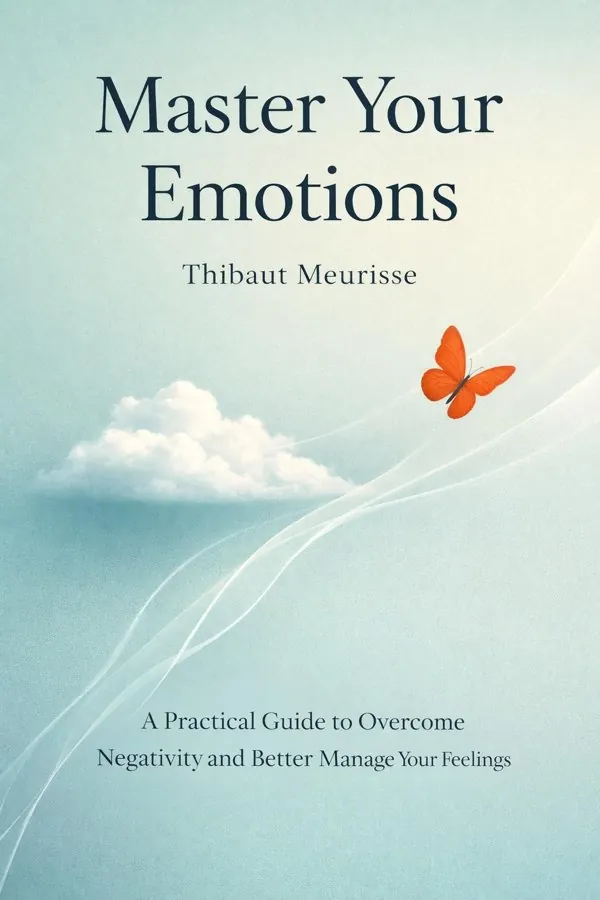
Master Your Emotions: A Practical Guide to Overcome Negativity and Better Manage Your Feelings
Thibaut Meurisse
10 min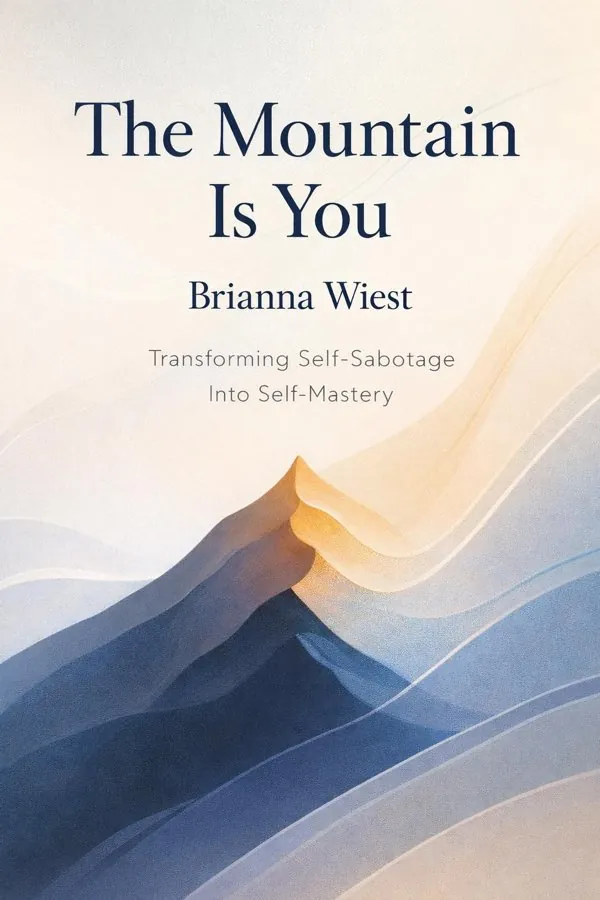
The Mountain Is You: Transforming Self-Sabotage Into Self-Mastery
Brianna Wiest
10 min
101 Essays That Will Change The Way You Think
Brianna Wiest
10 min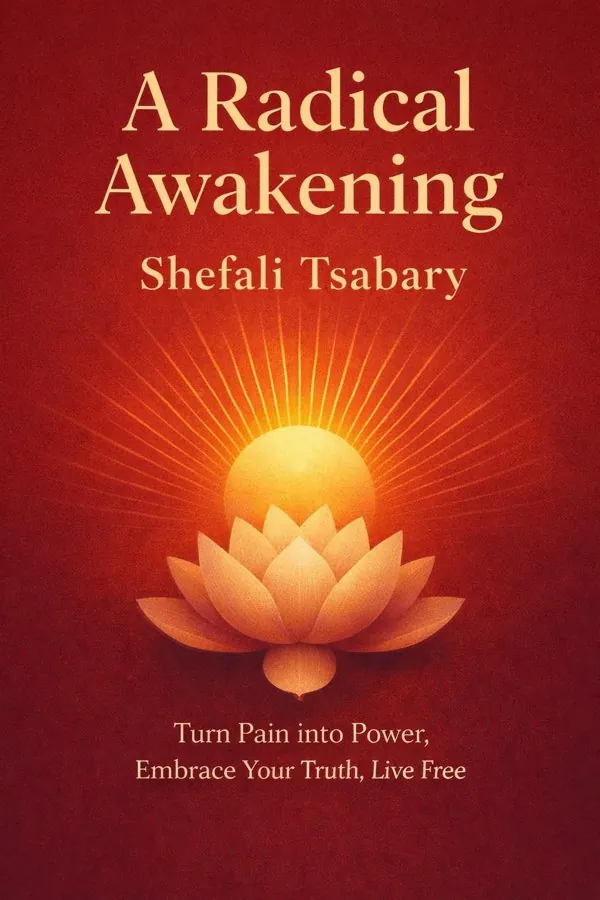
A Radical Awakening: Turn Pain into Power, Embrace Your Truth, Live Free
Shefali Tsabary
10 minBrowse by Category
Ready to read Not Nice: Stop People Pleasing, Staying Silent, and Feeling Guilty... and Start Speaking Up, Saying No, Asking Boldly, and Unapologetically Being Yourself?
Get the full summary and 100K+ more books with Fizz Moment.