

Leadership Is Language: The Hidden Power of What You Say—and What You Don’t: Summary & Key Insights
 10 min10 chaptersAudio available
What Is Leadership Is Language: The Hidden Power of What You Say—and What You Don’t About?
Leadership Is Language: The Hidden Power of What You Say—and What You Don’t by David Marquet is a leadership book spanning 10 pages. In this groundbreaking follow-up to his bestseller 'Turn the Ship Around!', former U.S. Navy Captain David Marquet reveals how leaders can transform their organizations by changing the way they communicate. Drawing on behavioral science and real-world examples, Marquet shows that traditional command-and-control language stifles initiative and creativity. Instead, he advocates for a new leadership playbook that empowers teams through thoughtful, inclusive, and adaptive communication.
This FizzRead summary covers all 10 key chapters of Leadership Is Language: The Hidden Power of What You Say—and What You Don’t in approximately 10 minutes, distilling the most important ideas, arguments, and takeaways from David Marquet's work. Also available as an audio summary and Key Quotes Podcast.
Leadership Is Language: The Hidden Power of What You Say—and What You Don’t
In this groundbreaking follow-up to his bestseller 'Turn the Ship Around!', former U.S. Navy Captain David Marquet reveals how leaders can transform their organizations by changing the way they communicate. Drawing on behavioral science and real-world examples, Marquet shows that traditional command-and-control language stifles initiative and creativity. Instead, he advocates for a new leadership playbook that empowers teams through thoughtful, inclusive, and adaptive communication.
Who Should Read Leadership Is Language: The Hidden Power of What You Say—and What You Don’t?
This book is perfect for anyone interested in leadership and looking to gain actionable insights in a short read. Whether you're a student, professional, or lifelong learner, the key ideas from Leadership Is Language: The Hidden Power of What You Say—and What You Don’t by David Marquet will help you think differently.
- ✓Readers who enjoy leadership and want practical takeaways
- ✓Professionals looking to apply new ideas to their work and life
- ✓Anyone who wants the core insights of Leadership Is Language: The Hidden Power of What You Say—and What You Don’t in just 10 minutes
Want the full summary?
Get instant access to this book summary and 100K+ more with Fizz Moment.
Get Free SummaryAvailable on App Store • Free to download
Key Chapters
For over a century, our organizations have inherited a playbook born of the Industrial Age: an era that prized efficiency, standardization, and predictability. In that world, work was divided into thinkers and doers. Managers planned, workers executed. Communication was downward, orders were sharp, and silence was rewarded. That structure made sense when machines and manual labor were the backbone of productivity. But in today’s world of knowledge work—where creativity and learning drive success—those same words and patterns are counterproductive.
The Industrial Age playbook trained us to speak in a rhythm of command and compliance. Leaders said, 'Give me your report.' Teams responded, 'It’s done, sir.' Every phrase reinforced hierarchy and eliminated curiosity. We created workplaces where people were told when to start and stop thinking. This deeply rooted language shapes our daily talk in subtle but destructive ways. We say, 'Should we do this?'—implying that there is a single right answer. We praise quick completion instead of thoughtful questioning. We mistake decisiveness for wisdom.
In the submarine world, I saw how this playbook led to costly mistakes. Sailors would execute orders even when they sensed something wrong, simply because language made disobedience seem irrational. The same pattern echoes in corporate boardrooms and project teams. When leaders dominate with directive language, they successfully eliminate variance—but also the chance for discovery.
This section of the book dismantles the myth that authoritative communication equals strong leadership. Strength today lies in creating an environment where language invites reflection rather than reaction. The Industrial Age playbook must be retired, because in the modern era, the only sustainable advantage is thinking—distributed thinking, collective intelligence, and shared ownership of decisions.
So what replaces the old language of control? A new playbook—rooted in curiosity, collaboration, and distributed authority. In this playbook, the leader’s role is no longer to command clarity but to cultivate discovery. The modern leader asks rather than instructs, listens rather than lectures, and creates space for others to contribute insight before decisions solidify.
This shift, while simple in words, is radical in impact. When we replace statements with questions—'What do you see?' instead of 'Do you agree?'—we hand back thinking to the team. When we transform meetings from report-outs into conversations of exploration, we unlock creativity. The New Playbook is based on linguistic awareness: recognizing that the words we choose trigger mental responses that either expand or contract participation.
In this model, leadership is no longer a solo act but a symphony. The tempo and rhythm of conversation matter. We move from binary thinking ('approve / reject') to generative thinking ('how might we?'). We learn to pause, reflect, and invite multiple perspectives. This is not weakness; it’s wisdom. The leader’s voice becomes a catalyst for collective decision-making rather than a substitute for it.
The New Playbook also acknowledges silence as language. Choosing not to speak—creating moments of reflection—allows insight to emerge naturally. In the USS Santa Fe, I noticed that when I stopped issuing commands, sailors started thinking deeply. This phenomenon translates universally. In business, when leaders stop filling every moment with direction, teams regain space for innovation.
By shifting our language, we shift the inner architecture of leadership itself. The New Playbook is not about talking differently for style—it’s about speaking less to think more.
+ 8 more chapters — available in the FizzRead app
All Chapters in Leadership Is Language: The Hidden Power of What You Say—and What You Don’t
About the Author
David Marquet is a retired U.S. Navy captain and leadership expert best known for commanding the nuclear-powered submarine USS Santa Fe. His innovative leadership practices turned one of the worst-performing crews into one of the best in the fleet. He is the author of the bestselling book 'Turn the Ship Around!' and a sought-after speaker on leadership and organizational transformation.
Get This Summary in Your Preferred Format
Read or listen to the Leadership Is Language: The Hidden Power of What You Say—and What You Don’t summary by David Marquet anytime, anywhere. FizzRead offers multiple formats so you can learn on your terms — all free.
Available formats: App · Audio · PDF · EPUB — All included free with FizzRead
Download Leadership Is Language: The Hidden Power of What You Say—and What You Don’t PDF and EPUB Summary
Key Quotes from Leadership Is Language: The Hidden Power of What You Say—and What You Don’t
“For over a century, our organizations have inherited a playbook born of the Industrial Age: an era that prized efficiency, standardization, and predictability.”
“So what replaces the old language of control?”
Frequently Asked Questions about Leadership Is Language: The Hidden Power of What You Say—and What You Don’t
Leadership Is Language: The Hidden Power of What You Say—and What You Don’t by David Marquet is a leadership book that explores key ideas across 10 chapters. In this groundbreaking follow-up to his bestseller 'Turn the Ship Around!', former U.S. Navy Captain David Marquet reveals how leaders can transform their organizations by changing the way they communicate. Drawing on behavioral science and real-world examples, Marquet shows that traditional command-and-control language stifles initiative and creativity. Instead, he advocates for a new leadership playbook that empowers teams through thoughtful, inclusive, and adaptive communication.
You Might Also Like
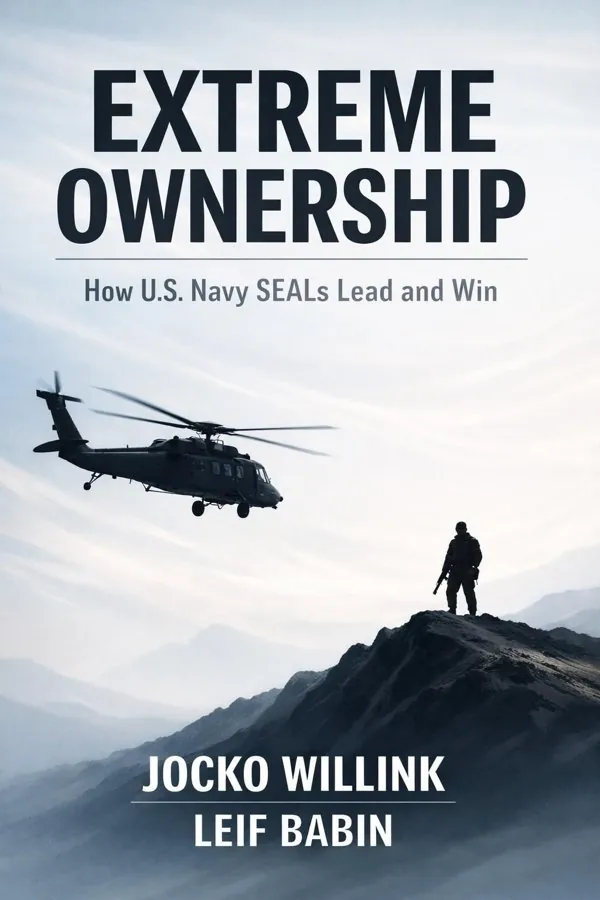
Extreme Ownership
Jocko Willink
10 min
Dare to Lead
Brene Brown
10 min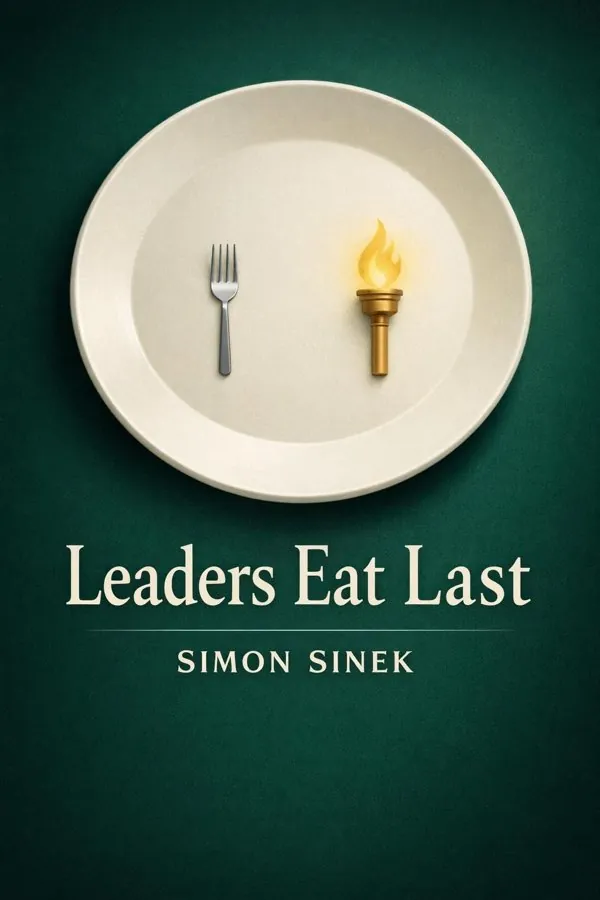
Leaders Eat Last
Simon Sinek
10 min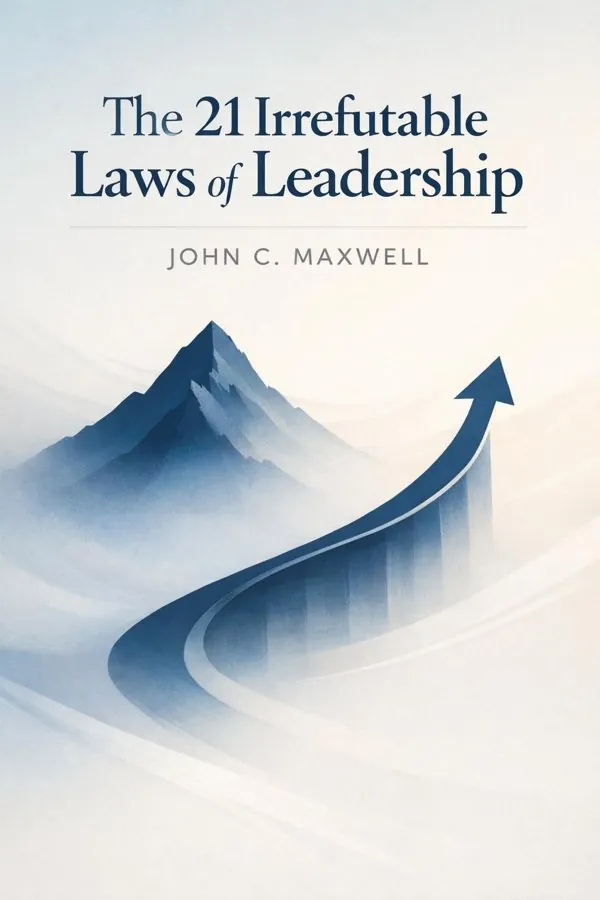
The 21 Irrefutable Laws of Leadership
John Maxwell
10 min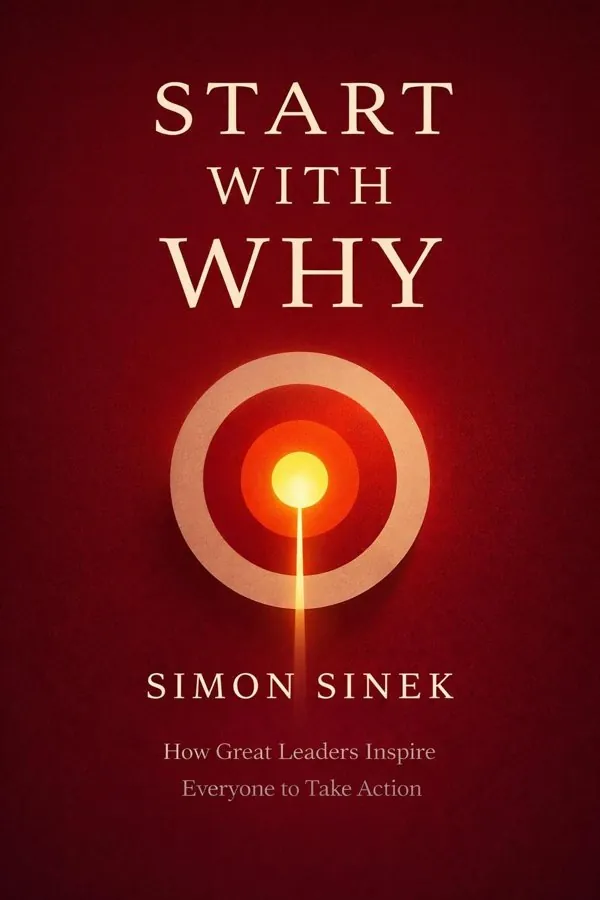
Start With Why
Simon Sinek
10 min
How to Lead When You're Not in Charge
Clay Scroggins
10 minBrowse by Category
Ready to read Leadership Is Language: The Hidden Power of What You Say—and What You Don’t?
Get the full summary and 100K+ more books with Fizz Moment.