
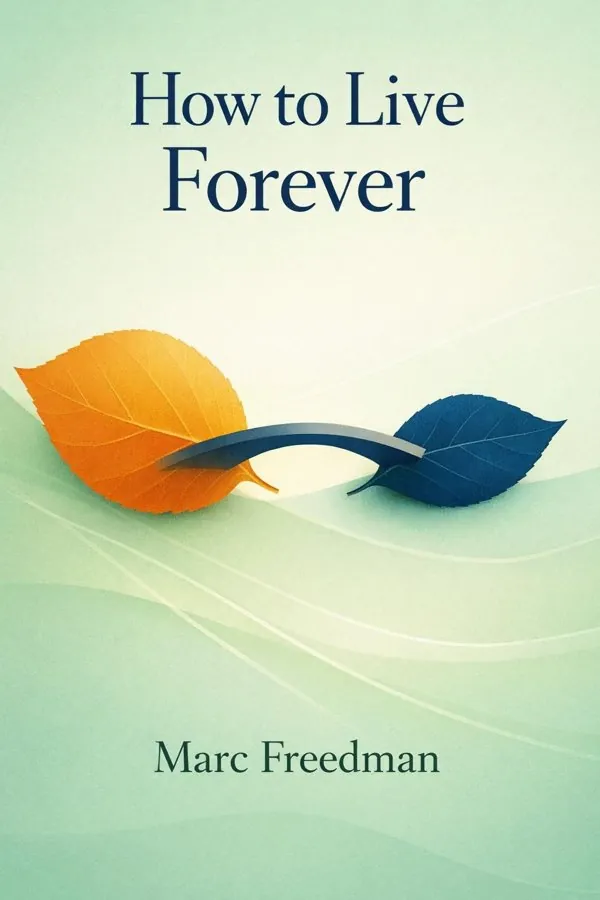
How to Live Forever: The Enduring Power of Connecting the Generations: Summary & Key Insights
 10 min10 chaptersAudio available
What Is How to Live Forever: The Enduring Power of Connecting the Generations About?
How to Live Forever: The Enduring Power of Connecting the Generations by Marc Freedman is a longevity book spanning 10 pages. In this book, Marc Freedman explores how intergenerational relationships can give life meaning and purpose. He argues that the key to living forever lies not in longevity but in creating lasting connections between young and old. Through stories and research, Freedman shows how mentoring, community engagement, and shared purpose can transform aging into a time of renewal and contribution.
This FizzRead summary covers all 10 key chapters of How to Live Forever: The Enduring Power of Connecting the Generations in approximately 10 minutes, distilling the most important ideas, arguments, and takeaways from Marc Freedman's work. Also available as an audio summary and Key Quotes Podcast.
How to Live Forever: The Enduring Power of Connecting the Generations
In this book, Marc Freedman explores how intergenerational relationships can give life meaning and purpose. He argues that the key to living forever lies not in longevity but in creating lasting connections between young and old. Through stories and research, Freedman shows how mentoring, community engagement, and shared purpose can transform aging into a time of renewal and contribution.
Who Should Read How to Live Forever: The Enduring Power of Connecting the Generations?
This book is perfect for anyone interested in longevity and looking to gain actionable insights in a short read. Whether you're a student, professional, or lifelong learner, the key ideas from How to Live Forever: The Enduring Power of Connecting the Generations by Marc Freedman will help you think differently.
- ✓Readers who enjoy longevity and want practical takeaways
- ✓Professionals looking to apply new ideas to their work and life
- ✓Anyone who wants the core insights of How to Live Forever: The Enduring Power of Connecting the Generations in just 10 minutes
Want the full summary?
Get instant access to this book summary and 100K+ more with Fizz Moment.
Get Free SummaryAvailable on App Store • Free to download
Key Chapters
Aging in the twenty-first century presents a paradox. We are living longer than ever, yet many of us feel less relevant, less needed. For decades, society has equated the later years with retreat, a period to 'step aside' after the duties of work and family are done. But what if retirement, in its conventional form, is not the natural conclusion to a life of contribution, but a social invention that deprives us of meaning? The urge to feel useful—to give rather than simply to receive—does not disappear with age; in fact, it often grows stronger.
In my work, I have encountered countless people in their fifties and sixties who describe a creeping sense of invisibility. Their professional titles may have faded, but their desire to matter remains vivid. I think of the retired engineer who began mentoring high school students in robotics and found that, for the first time, he was not just using his skills—he was transmitting them. I think of the grandmother who turned her love of reading into a volunteer program, connecting with children who had never been read to before. These stories reveal something profound: later life is not the end of usefulness, but the beginning of a new kind of giving, one grounded in purpose rather than ambition.
Purpose acts as the connective tissue between generations. It renders age irrelevant, because what unites us is not our stage in life but our shared humanity. When older individuals seek to contribute, they discover that meaning is not about personal achievement—it’s about relationship. Our culture will need to redefine success in aging around this idea, embracing purpose as the measure of vitality.
There was a time when societies instinctively understood the role of elders. In ancient cultures, wisdom and experience were not sidelined; they were revered as essential to collective survival. The elders were the keepers of stories, traditions, and moral compass. They sat at the center of the community, not its margins. Anthropologists have documented countless examples—from Aboriginal tribes to classical Greece—where mentorship was built into the very fabric of communal life. The transmission of knowledge across generations was not merely pragmatic; it was sacred.
In contrast, the modern era, with its cult of innovation and progress, has marginalized this intergenerational exchange. Industrialization created institutions and cities that separated young from old. Education, work, and residence became age-segregated systems. The family unit, once multigenerational, fragmented. We began to treat youth as potential and age as decline. Yet this division is neither natural nor inevitable—it is, rather, a design flaw in our social imagination.
Reclaiming mentorship as a vital social function means restoring the flow of knowledge and empathy across age boundaries. It renews the moral infrastructure that holds societies together. When I look back at the patterns of human history, the moments of flourishing often coincide with moments of deep generational interplay. Our challenge today is to rediscover that equilibrium in a world that has forgotten how dependent we all are on one another’s phases of life.
+ 8 more chapters — available in the FizzRead app
All Chapters in How to Live Forever: The Enduring Power of Connecting the Generations
About the Author
Marc Freedman is an American social entrepreneur and author known for his work on aging, longevity, and intergenerational connection. He is the founder and CEO of Encore.org, a nonprofit organization dedicated to bridging generational divides and promoting purposeful aging.
Get This Summary in Your Preferred Format
Read or listen to the How to Live Forever: The Enduring Power of Connecting the Generations summary by Marc Freedman anytime, anywhere. FizzRead offers multiple formats so you can learn on your terms — all free.
Available formats: App · Audio · PDF · EPUB — All included free with FizzRead
Download How to Live Forever: The Enduring Power of Connecting the Generations PDF and EPUB Summary
Key Quotes from How to Live Forever: The Enduring Power of Connecting the Generations
“Aging in the twenty-first century presents a paradox.”
“There was a time when societies instinctively understood the role of elders.”
Frequently Asked Questions about How to Live Forever: The Enduring Power of Connecting the Generations
How to Live Forever: The Enduring Power of Connecting the Generations by Marc Freedman is a longevity book that explores key ideas across 10 chapters. In this book, Marc Freedman explores how intergenerational relationships can give life meaning and purpose. He argues that the key to living forever lies not in longevity but in creating lasting connections between young and old. Through stories and research, Freedman shows how mentoring, community engagement, and shared purpose can transform aging into a time of renewal and contribution.
You Might Also Like
Age-Proof: Living Longer Without Running Out of Money or Breaking a Hip
Jean Chatzky, Michael F. Roizen
10 min
Ageless Body, Timeless Mind: The Quantum Alternative to Growing Old
Deepak Chopra
10 min
Outlive: The Science and Art of Longevity
Peter Attia
10 min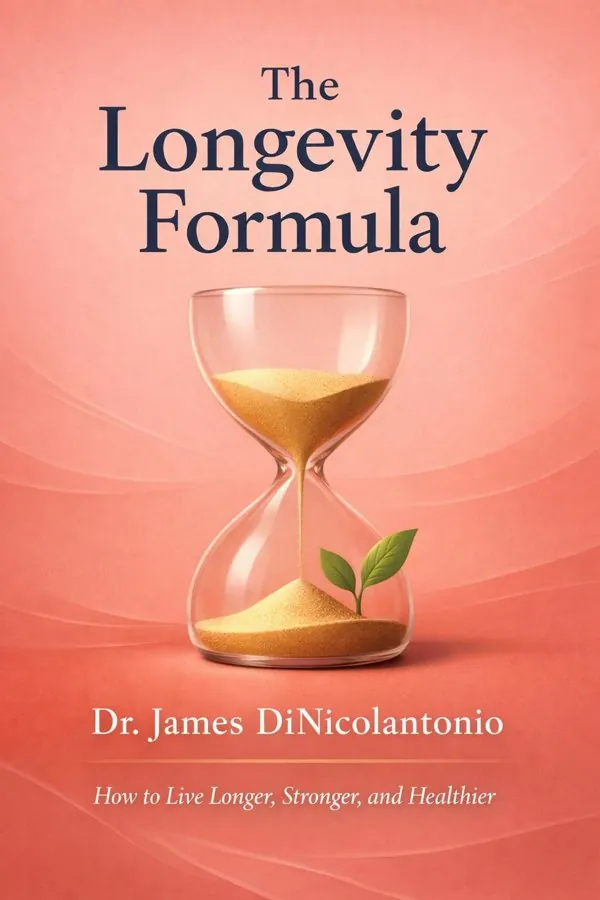
The Longevity Formula: How to Live Longer, Stronger, and Healthier
Dr. James DiNicolantonio
10 min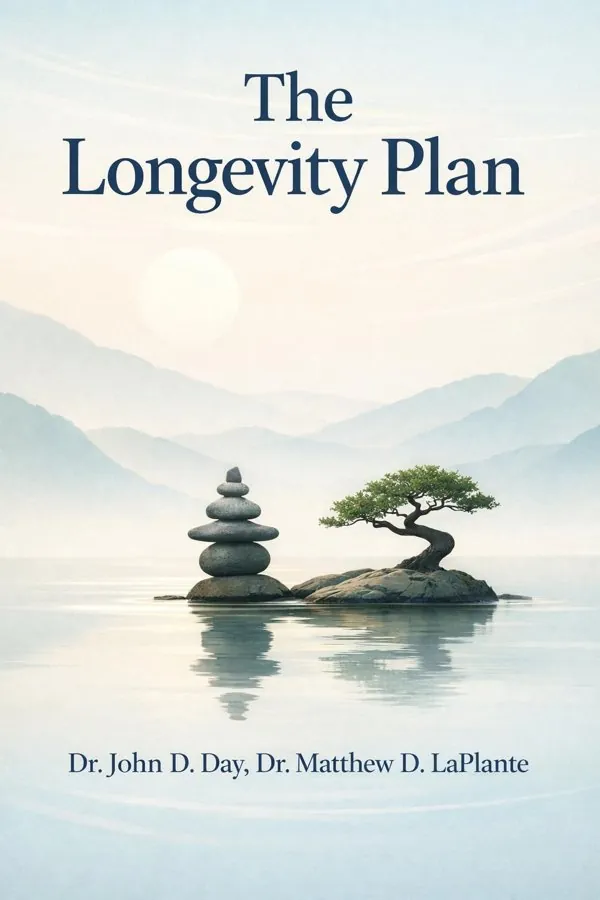
The Longevity Plan: Seven Life-Transforming Lessons from Ancient China
Dr. John D. Day, Dr. Matthew D. LaPlante
10 min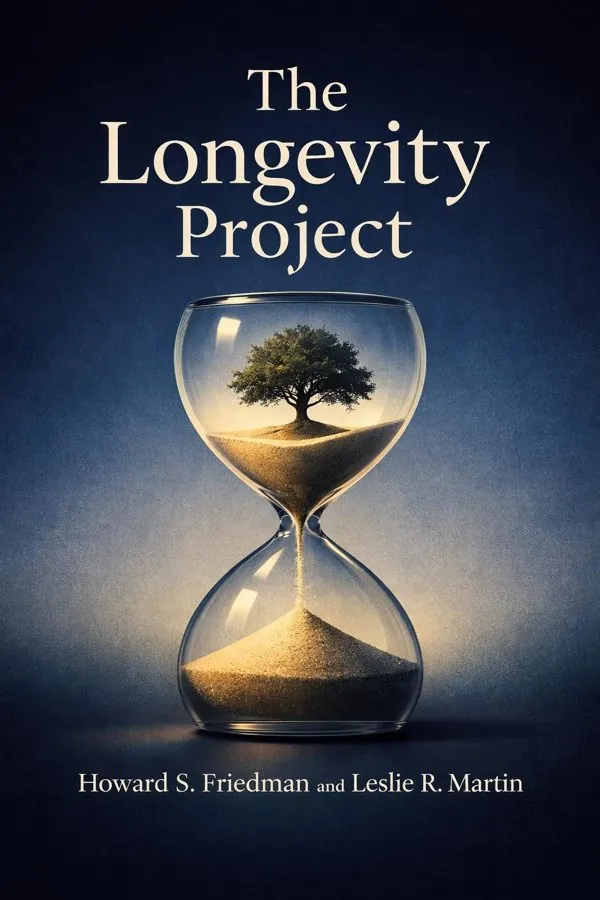
The Longevity Project: Surprising Discoveries for Health and Long Life from the Landmark Eight-Decade Study
Howard S. Friedman and Leslie R. Martin
10 minBrowse by Category
Ready to read How to Live Forever: The Enduring Power of Connecting the Generations?
Get the full summary and 100K+ more books with Fizz Moment.