

Holidays on Ice: Summary & Key Insights
 10 min9 chaptersAudio available
Key Takeaways from Holidays on Ice
One of Sedaris’s sharpest insights is that much of holiday happiness is not felt naturally but staged for an audience.
Nothing exposes the machinery of Christmas like taking a low-level job inside it.
Sedaris understands that bragging becomes most aggressive when disguised as gratitude.
Embarrassment becomes especially revealing when it happens in public.
People rarely lie outright about themselves when a more attractive option is available: selective truth.
What Is Holidays on Ice About?
Holidays on Ice by David Sedaris is a bestsellers book spanning 6 pages. Holiday stories are usually built from the same ingredients: nostalgia, generosity, reconciliation, and a final dusting of magic. David Sedaris takes that familiar recipe and flips it over. In Holidays on Ice, he turns the Christmas season into a stage for humiliation, exhaustion, vanity, commercial chaos, and the strange performances people give when they are told to be joyful on command. This collection of darkly funny essays and stories examines seasonal rituals from the inside out, exposing how much loneliness, absurdity, and desperation often sit beneath polished traditions. The book matters because it offers a sharper and more honest portrait of the holidays than sentimental fiction usually allows. Sedaris writes about department store elves, smug family newsletters, theatrical disaster, false piety, and gift-giving that reveals selfishness more than love. His humor is biting, but it is also observant and deeply human. Few contemporary writers have matched his ability to turn embarrassment, social awkwardness, and cultural hypocrisy into comedy that feels both outrageous and true. As an essayist known for transforming personal experience into satire, Sedaris brings authority not through expertise in holiday customs, but through his unmatched eye for the ridiculous ways people behave when they are trying hardest to seem warm, successful, and festive.
This FizzRead summary covers all 9 key chapters of Holidays on Ice in approximately 10 minutes, distilling the most important ideas, arguments, and takeaways from David Sedaris's work. Also available as an audio summary and Key Quotes Podcast.
Holidays on Ice
Holiday stories are usually built from the same ingredients: nostalgia, generosity, reconciliation, and a final dusting of magic. David Sedaris takes that familiar recipe and flips it over. In Holidays on Ice, he turns the Christmas season into a stage for humiliation, exhaustion, vanity, commercial chaos, and the strange performances people give when they are told to be joyful on command. This collection of darkly funny essays and stories examines seasonal rituals from the inside out, exposing how much loneliness, absurdity, and desperation often sit beneath polished traditions.
The book matters because it offers a sharper and more honest portrait of the holidays than sentimental fiction usually allows. Sedaris writes about department store elves, smug family newsletters, theatrical disaster, false piety, and gift-giving that reveals selfishness more than love. His humor is biting, but it is also observant and deeply human. Few contemporary writers have matched his ability to turn embarrassment, social awkwardness, and cultural hypocrisy into comedy that feels both outrageous and true. As an essayist known for transforming personal experience into satire, Sedaris brings authority not through expertise in holiday customs, but through his unmatched eye for the ridiculous ways people behave when they are trying hardest to seem warm, successful, and festive.
Who Should Read Holidays on Ice?
This book is perfect for anyone interested in bestsellers and looking to gain actionable insights in a short read. Whether you're a student, professional, or lifelong learner, the key ideas from Holidays on Ice by David Sedaris will help you think differently.
- ✓Readers who enjoy bestsellers and want practical takeaways
- ✓Professionals looking to apply new ideas to their work and life
- ✓Anyone who wants the core insights of Holidays on Ice in just 10 minutes
Want the full summary?
Get instant access to this book summary and 100K+ more with Fizz Moment.
Get Free SummaryAvailable on App Store • Free to download
Key Chapters
One of Sedaris’s sharpest insights is that much of holiday happiness is not felt naturally but staged for an audience. Holidays on Ice repeatedly shows people acting out what Christmas is supposed to look like: cheerful workers, grateful children, harmonious families, generous hosts, and spiritually uplifted communities. The comedy comes from the gap between the performance and the reality beneath it.
Across the collection, Sedaris reveals that seasonal rituals often demand emotional labor. People are expected to smile longer, spend more, forgive faster, and appear more fulfilled than they actually are. This pressure creates absurd situations, because the holiday ideal is so polished that no real human life can fit inside it. Instead of exposing people as villains, Sedaris shows them as anxious participants in a collective pageant. They exaggerate their warmth, hide resentment, and cling to conventions because everyone else is doing the same.
This idea matters outside the book because the holidays still operate as a social showcase. Families post idealized photos, companies decorate workplaces to simulate morale, and individuals feel embarrassed if their celebrations seem less magical than others’. Sedaris reminds readers that the strain they feel is often a result of trying to meet a script, not a personal failure. His satire gives permission to recognize artificiality without losing affection for the season altogether.
A practical way to apply this idea is to notice when you are performing rather than participating. Before an event, ask what you actually want from the occasion: connection, rest, laughter, or tradition. Then choose one small way to make the holiday more real and less theatrical. The takeaway: stop measuring your season against the performance and start shaping it around what genuinely matters to you.
Nothing exposes the machinery of Christmas like taking a low-level job inside it. In “SantaLand Diaries,” Sedaris recounts his time working as an elf at Macy’s, where holiday wonder is assembled through break-room exhaustion, scripted enthusiasm, and endless encounters with parents and children who bring their own chaos into the display. The essay is famous because it transforms a supposedly magical workplace into a comic study of labor, class, and dignity.
Sedaris enters the role as a struggling writer in need of money, and that desperation gives the piece its emotional edge. He is not mocking Christmas from a distance; he is inside the costume, being managed, judged, and infantilized. The absurdity grows as he observes the hierarchy among employees, the fake names assigned to elves, the patronizing corporate rules, and the strange behavior of customers who become more demanding precisely because the season is marketed as special. The humor is brutal, but it works because Sedaris records details so precisely. He understands that holiday magic often depends on underpaid workers absorbing everyone else’s stress.
The essay also broadens into a reflection on what seasonal service work does to people. Retail clerks, delivery drivers, restaurant staff, and event workers are frequently expected to provide not just labor but mood. They must perform festivity even when exhausted. Sedaris’s story is still relevant because modern holiday commerce runs on the same expectation.
Readers can apply this idea by becoming more conscious consumers during the season. Treat workers with patience, tip fairly where appropriate, and remember that your convenience often rests on someone else’s emotional strain. If you have done a humiliating or exhausting seasonal job yourself, Sedaris offers something equally useful: the reminder that survival can later become insight, and insight can become art. The takeaway: whenever holiday magic appears effortless, look for the invisible labor making it possible.
Embarrassment becomes especially revealing when it happens in public. In “Front Row Center with Thaddeus Bristol,” Sedaris explores performance, spectacle, and the discomfort that arises when audiences witness something collapsing in real time. The story is hilarious on the surface, but underneath it is a meditation on what happens when people commit fully to roles, artistic visions, or grand presentations that cannot survive contact with reality.
Sedaris has long been fascinated by self-invention, and this piece fits that fascination perfectly. The holiday setting heightens the effect because the season already encourages pageantry: concerts, pageants, staged traditions, and public displays of refinement or moral seriousness. In that atmosphere, failed performance feels even more painful. A person trying to present elegance, talent, or authority can become ridiculous in seconds. Sedaris is alert to that thin line between admiration and mockery.
What makes this idea useful is that public failure is not limited to theater or storytelling. It appears in office parties, family toasts, school events, religious services, and social media posts that do not land as intended. During the holidays, people take more emotional risks in public, whether by hosting, performing, speaking, or giving gifts that carry too much symbolic weight. Sedaris shows that these moments are uncomfortable precisely because they reveal our hunger to be seen well by others.
A practical application is to become less afraid of holiday imperfection. If you host a dinner and burn a dish, if a speech goes awkwardly, or if a family tradition feels flat, the moment is not ruined unless you insist on treating it as a production failure. Often the memory becomes richer because it was flawed. The takeaway: loosen your grip on public performance and allow room for the comic dignity of imperfection.
People rarely lie outright about themselves when a more attractive option is available: selective truth. In “Based Upon a True Story,” Sedaris plays with the slippery space between reality and narrative, showing how easily people reshape events to make themselves appear better, more coherent, or more wronged than they really were. Holiday storytelling is especially vulnerable to this habit because families love retelling old memories as if repetition could turn them into official truth.
Sedaris’s genius is that he does not simply accuse others of dishonesty. He implicates everyone, including narrators, writers, and ordinary memory keepers. The holiday season creates conditions in which selective storytelling thrives. A chaotic gathering becomes “one of our classic Christmases.” An insult is edited out. A relative becomes either a saint or a villain, depending on who is speaking. Over time, memory becomes performance, and performance becomes identity.
This idea matters because many holiday conflicts are really conflicts over narrative control. Siblings remember childhood differently. Parents rewrite painful periods into wholesome anecdotes. Friends retell an event in ways that protect their image. Sedaris invites readers to notice how stories function not just as records but as tools of self-preservation. Once you understand that, you become a better listener and a more honest teller.
A useful application is to pause before telling a familiar family story this season. Ask what details you always omit and why. Are you protecting someone, flattering yourself, or avoiding complexity? You do not need to confess every hidden fact, but you can make your stories less manipulative by allowing contradiction. The takeaway: whenever a holiday memory sounds too neat, remember that neatness is often the first sign that truth has been polished for comfort.
Respectability is often just disorder wearing a festive outfit. In “Dinah, the Christmas Whore,” Sedaris pushes holiday satire into deliberately outrageous territory, using shock and exaggeration to expose how fragile social respectability really is. The title alone signals his method: he takes the season’s language of purity, family values, and moral decorum and collides it with behavior that polite culture pretends to exclude, even while quietly enabling it.
What Sedaris reveals is that the boundary between respectable holiday life and scandal is thinner than people admit. Families hide dysfunction behind decorations. Communities celebrate virtue while feeding on gossip. Public morality often depends less on actual goodness than on whether unpleasant realities remain unspoken. By dragging those realities into the open, Sedaris does not simply aim to offend. He demonstrates how holiday culture depends on selective blindness. The season can become a theater of decency in which everyone knows more than they say.
This kind of satire matters because it challenges the instinct to confuse appearances with ethics. A polished host, a devout speaker, or a tradition-loving family may still be manipulative, hypocritical, or cruel. Conversely, people who seem messy or socially improper may be more honest than the respectable crowd. Sedaris’s comic extremity gives readers a way to think about moral performance without sounding preachy.
In practical terms, this essay encourages skepticism toward surface virtue. When evaluating people, traditions, or even your own family customs, look beyond the respectable image and ask what behavior is actually being rewarded. This does not mean becoming cynical about everyone. It means refusing to let festive packaging stand in for integrity. The takeaway: judge holiday goodness by honesty and conduct, not by appearances, polish, or pious language.
Laughter is sometimes the only honest response to situations that are too awkward, sad, or absurd to approach directly. One of the great achievements of Holidays on Ice is its use of dark humor not merely to entertain but to make uncomfortable truths speakable. Sedaris writes about failure, loneliness, exploitation, hypocrisy, and emotional neediness, yet the collection remains pleasurable because he filters pain through comic precision.
Dark humor works here because Sedaris never relies on abstract cynicism. He grounds his comedy in observed detail: a forced smile, a bureaucratic absurdity, an overdecorated room, a line that reveals too much about a family. These details keep the humor human. Readers recognize themselves in the indignities, even when the scenarios are exaggerated. The result is a strange emotional balance: the book is mocking, but it is also compassionate. It understands that people are ridiculous because they are vulnerable.
This matters for readers because the holidays can intensify feelings people would rather not discuss. Grief, financial stress, social anxiety, family resentment, and personal disappointment often sharpen when the culture insists that everyone should be happy. Dark humor can release that pressure. It does not solve problems, but it can reduce shame by making private misery feel shared and survivable.
A useful application is to let humor become a tool for perspective rather than avoidance. If a holiday event goes wrong, instead of immediately trying to restore perfection, notice the absurdity of the moment. Tell the story later with accuracy and kindness. Use humor to connect, not to humiliate. The takeaway: when the season becomes overwhelming, laughter can be a form of clarity that helps you endure what sentimentality tries to hide.
The season does not magically transform character; it intensifies it. A final theme running through Holidays on Ice is that Christmas acts like an amplifier. People do not become generous, vain, needy, controlling, lonely, or theatrical because of the holidays. Rather, the season heightens those existing traits by adding pressure, expectation, money, ritual, and proximity to others. Sedaris’s collection is so effective because it treats Christmas less as a sacred exception and more as a stress test for ordinary human behavior.
Under seasonal pressure, small habits become large dramas. A mildly competitive relative becomes unbearable during gift exchange. A person who values appearances becomes obsessed with decorating and public presentation. Someone already insecure becomes frantic about hosting correctly or buying enough. Even sincere affection can become overbearing when compressed into ritual. Sedaris watches these escalations closely and turns them into comedy, but the insight is serious: holidays reveal patterns that everyday life allows us to ignore.
This perspective is useful because it helps readers interpret seasonal conflict more clearly. Instead of seeing every December argument as unique, you can ask what recurring trait is being magnified. Is the problem really the meal, or is it control? Is the issue the gift, or is it resentment? Understanding this can make the season less mysterious and more manageable.
A practical takeaway is to prepare for the holidays by anticipating patterns, not by chasing ideals. Think about what traits tend to intensify in yourself and others. Plan shorter visits, clearer budgets, firmer boundaries, or more realistic traditions accordingly. Sedaris’s comedy suggests that insight is more valuable than fantasy. The takeaway: if you want a better holiday season, do not expect people to become different in December; plan with honesty for who they already are.
All Chapters in Holidays on Ice
About the Author
David Sedaris is an American humorist, essayist, and bestselling author celebrated for his sharply observed autobiographical writing. Born in New York and raised in North Carolina, he built his reputation through a distinctive style that blends self-deprecation, precise detail, and biting social satire. Sedaris first gained national attention through public radio, where his readings introduced audiences to his ability to transform ordinary embarrassment, family dysfunction, and cultural absurdity into memorable comedy. Over the years, he has published several acclaimed books, including Barrel Fever, Naked, Me Talk Pretty One Day, and Calypso. His work often explores work, identity, relationships, travel, and domestic life, always with a keen eye for hypocrisy and human vulnerability. Sedaris remains one of the most recognizable and influential comic essayists in contemporary literature.
Get This Summary in Your Preferred Format
Read or listen to the Holidays on Ice summary by David Sedaris anytime, anywhere. FizzRead offers multiple formats so you can learn on your terms — all free.
Available formats: App · Audio · PDF · EPUB — All included free with FizzRead
Download Holidays on Ice PDF and EPUB Summary
Key Quotes from Holidays on Ice
“One of Sedaris’s sharpest insights is that much of holiday happiness is not felt naturally but staged for an audience.”
“Nothing exposes the machinery of Christmas like taking a low-level job inside it.”
“Sedaris understands that bragging becomes most aggressive when disguised as gratitude.”
“Embarrassment becomes especially revealing when it happens in public.”
“People rarely lie outright about themselves when a more attractive option is available: selective truth.”
Frequently Asked Questions about Holidays on Ice
Holidays on Ice by David Sedaris is a bestsellers book that explores key ideas across 9 chapters. Holiday stories are usually built from the same ingredients: nostalgia, generosity, reconciliation, and a final dusting of magic. David Sedaris takes that familiar recipe and flips it over. In Holidays on Ice, he turns the Christmas season into a stage for humiliation, exhaustion, vanity, commercial chaos, and the strange performances people give when they are told to be joyful on command. This collection of darkly funny essays and stories examines seasonal rituals from the inside out, exposing how much loneliness, absurdity, and desperation often sit beneath polished traditions. The book matters because it offers a sharper and more honest portrait of the holidays than sentimental fiction usually allows. Sedaris writes about department store elves, smug family newsletters, theatrical disaster, false piety, and gift-giving that reveals selfishness more than love. His humor is biting, but it is also observant and deeply human. Few contemporary writers have matched his ability to turn embarrassment, social awkwardness, and cultural hypocrisy into comedy that feels both outrageous and true. As an essayist known for transforming personal experience into satire, Sedaris brings authority not through expertise in holiday customs, but through his unmatched eye for the ridiculous ways people behave when they are trying hardest to seem warm, successful, and festive.
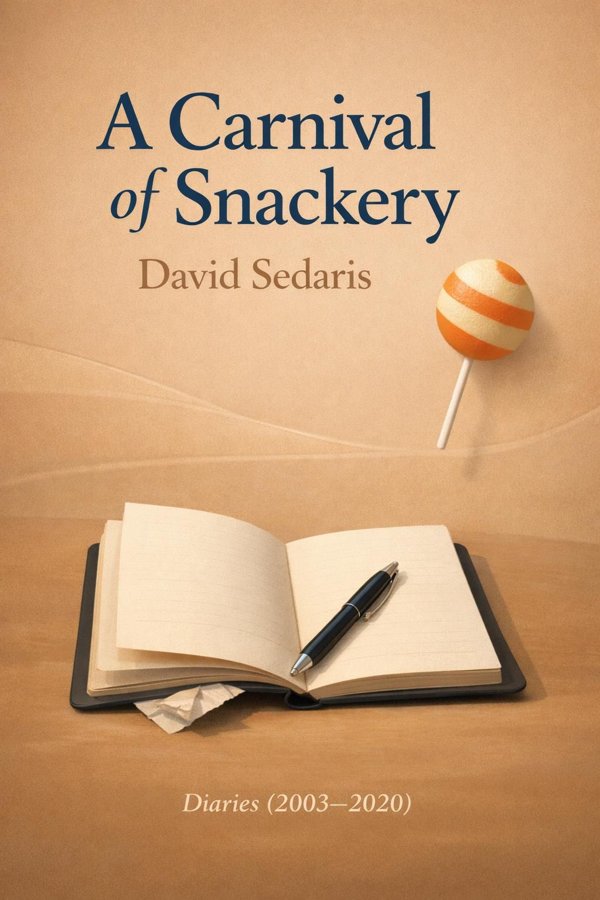
More by David Sedaris

You Might Also Like
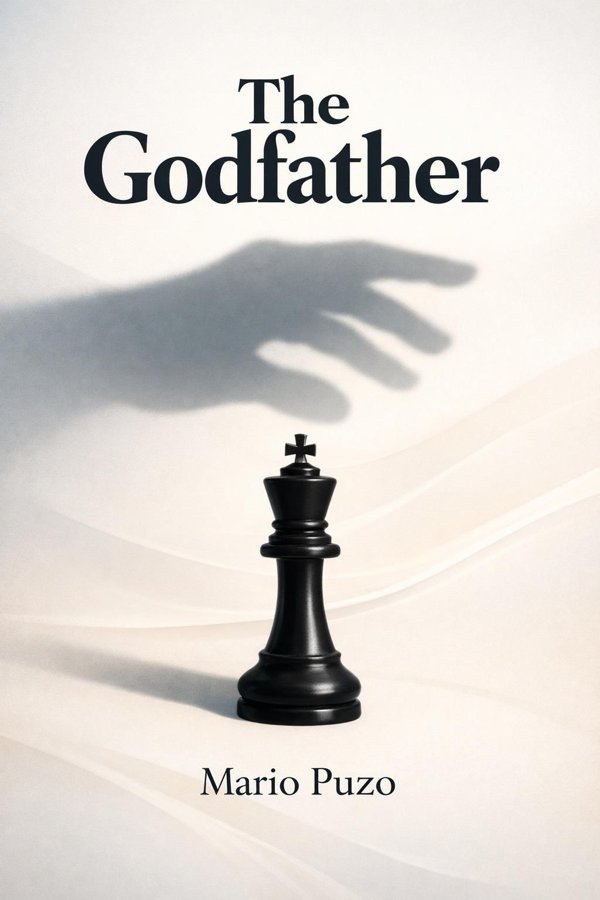
The Godfather
Mario Puzo
10 min
The Handmaid's Tale
Margaret Atwood
10 min
The Hunger Games
Suzanne Collins
10 min
The Nightingale
Kristin Hannah
10 min
The Seven Husbands of Evelyn Hugo
Taylor Jenkins Reid
10 min
Backwater Justice
Fern Michaels
10 minBrowse by Category
Ready to read Holidays on Ice?
Get the full summary and 100K+ more books with Fizz Moment.