
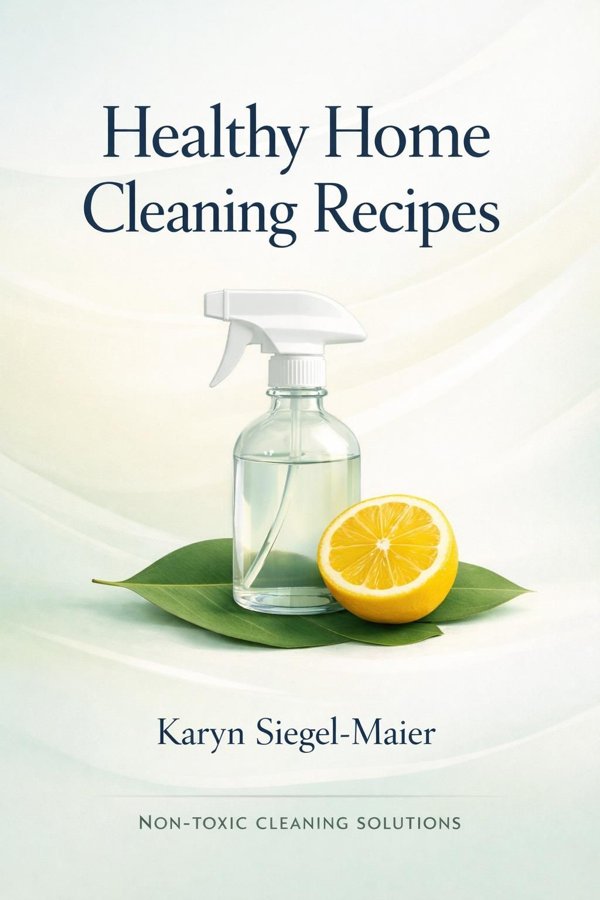
Healthy Home Cleaning Recipes: Non-Toxic Cleaning Solutions: Summary & Key Insights
 10 min9 chaptersAudio available
Key Takeaways from Healthy Home Cleaning Recipes: Non-Toxic Cleaning Solutions
One of the book’s most important insights is that modern culture often confuses cleanliness with chemical intensity.
A powerful cleaner does not have to come from a laboratory.
Many cleaning frustrations come from using the wrong tools rather than weak ingredients.
A healthy cleaning philosophy only matters if it works in real life, room by room.
A home’s smell influences how we judge its cleanliness, but the book reminds us that fragrance is not always harmless.
What Is Healthy Home Cleaning Recipes: Non-Toxic Cleaning Solutions About?
Healthy Home Cleaning Recipes: Non-Toxic Cleaning Solutions by Karyn Siegel-Maier is a wellness book spanning 5 pages. Healthy Home Cleaning Recipes: Non-Toxic Cleaning Solutions is a practical guide to replacing harsh, chemical-heavy household cleaners with simple, effective alternatives made from natural ingredients. In this concise but useful book, Karyn Siegel-Maier shows readers that a clean home does not require synthetic fragrances, corrosive agents, or toxic residue. Instead, many everyday cleaning tasks can be handled with familiar staples like vinegar, baking soda, lemon, salt, and essential oils. What makes the book especially relevant is its focus on the connection between home care, personal health, and environmental responsibility. Many commercial products can irritate the skin, lungs, and eyes, while also contributing unnecessary waste and pollution. Siegel-Maier offers a healthier model: clean in ways that support well-being rather than compromise it. As an author known for natural living and herbal wellness, Siegel-Maier brings credibility and clarity to the topic. Her approach is not abstract or overly idealistic. It is rooted in recipes, techniques, and room-by-room solutions that readers can actually use. The result is a helpful introduction to greener housekeeping for anyone who wants a safer, simpler home.
This FizzRead summary covers all 9 key chapters of Healthy Home Cleaning Recipes: Non-Toxic Cleaning Solutions in approximately 10 minutes, distilling the most important ideas, arguments, and takeaways from Karyn Siegel-Maier's work. Also available as an audio summary and Key Quotes Podcast.
Healthy Home Cleaning Recipes: Non-Toxic Cleaning Solutions
Healthy Home Cleaning Recipes: Non-Toxic Cleaning Solutions is a practical guide to replacing harsh, chemical-heavy household cleaners with simple, effective alternatives made from natural ingredients. In this concise but useful book, Karyn Siegel-Maier shows readers that a clean home does not require synthetic fragrances, corrosive agents, or toxic residue. Instead, many everyday cleaning tasks can be handled with familiar staples like vinegar, baking soda, lemon, salt, and essential oils.
What makes the book especially relevant is its focus on the connection between home care, personal health, and environmental responsibility. Many commercial products can irritate the skin, lungs, and eyes, while also contributing unnecessary waste and pollution. Siegel-Maier offers a healthier model: clean in ways that support well-being rather than compromise it.
As an author known for natural living and herbal wellness, Siegel-Maier brings credibility and clarity to the topic. Her approach is not abstract or overly idealistic. It is rooted in recipes, techniques, and room-by-room solutions that readers can actually use. The result is a helpful introduction to greener housekeeping for anyone who wants a safer, simpler home.
Who Should Read Healthy Home Cleaning Recipes: Non-Toxic Cleaning Solutions?
This book is perfect for anyone interested in wellness and looking to gain actionable insights in a short read. Whether you're a student, professional, or lifelong learner, the key ideas from Healthy Home Cleaning Recipes: Non-Toxic Cleaning Solutions by Karyn Siegel-Maier will help you think differently.
- ✓Readers who enjoy wellness and want practical takeaways
- ✓Professionals looking to apply new ideas to their work and life
- ✓Anyone who wants the core insights of Healthy Home Cleaning Recipes: Non-Toxic Cleaning Solutions in just 10 minutes
Want the full summary?
Get instant access to this book summary and 100K+ more with Fizz Moment.
Get Free SummaryAvailable on App Store • Free to download
Key Chapters
One of the book’s most important insights is that modern culture often confuses cleanliness with chemical intensity. We have been taught to believe that strong smells, antibacterial labels, and brightly colored liquids must mean a home is safer and more hygienic. Karyn Siegel-Maier challenges that assumption by redefining clean as a state of freshness, order, and reduced harmful exposure rather than a chemically sterilized environment.
This shift in perspective matters because many commercial cleaning products contain ingredients that can irritate the skin, trigger headaches, aggravate asthma, and leave residues on surfaces where children and pets play. In trying to make our homes cleaner, we may actually be introducing substances that burden our health. The book encourages readers to see the home as a living environment that should support well-being, not a battlefield requiring industrial-strength products.
Natural cleaning does not mean accepting dirt or lowering standards. It means using effective methods that align with the actual task. Soap and warm water can remove grease. Vinegar can cut mineral buildup. Baking soda can deodorize and gently scrub. Good ventilation can prevent mold. Regular maintenance can reduce the need for harsh intervention.
A practical application of this idea is to evaluate every product under your sink and ask a simple question: does this cleaner solve a real problem, or is it just something advertising convinced me I need? Often, fewer products are necessary than we think.
Actionable takeaway: redefine your cleaning goal this week from “maximum chemical force” to “effective cleanliness with minimum harm,” and remove one unnecessary harsh product from your routine.
A powerful cleaner does not have to come from a laboratory. One of the book’s most useful lessons is that a small set of natural ingredients can handle most household cleaning needs when you understand how each one works. Siegel-Maier treats these ingredients almost like members of a team, each with specific strengths and ideal uses.
White vinegar is one of the stars because its acidity helps dissolve soap scum, mineral deposits, and hard-water stains. It is especially useful on glass, sinks, and bathroom fixtures. Baking soda works differently. It is mildly abrasive, making it excellent for scrubbing surfaces without scratching them, and it also helps neutralize odors. Lemon juice contributes both acidity and a fresh scent, making it helpful for cutting grease and brightening surfaces. Salt can add abrasive power for stubborn messes. Castile soap or gentle natural soaps help lift oils and dirt.
The book emphasizes that effectiveness comes from matching the ingredient to the problem. For example, a paste of baking soda and water can clean a stained sink, while diluted vinegar can shine windows. A mix of salt and lemon can help scrub cutting boards. Instead of relying on a dozen specialized store-bought products, readers learn to combine a few affordable staples in smart ways.
This knowledge also builds confidence. Once you understand what each ingredient does, you can improvise safely and simplify your cleaning routine. That makes natural cleaning not only healthier but also more economical and less confusing.
Actionable takeaway: stock five basic ingredients—white vinegar, baking soda, lemon juice, salt, and mild soap—and begin using them as your primary home cleaning toolkit.
Many cleaning frustrations come from using the wrong tools rather than weak ingredients. A central idea in the book is that technique matters just as much as the cleaning solution itself. When people reach for stronger chemicals, they are often compensating for poor timing, ineffective tools, or inconsistent routines. Siegel-Maier shows that greener cleaning becomes much easier when supported by smart equipment and simple methods.
Basic tools such as spray bottles, reusable cloths, soft scrub brushes, sponges, old toothbrushes, and buckets can dramatically improve results. Microfiber or absorbent cotton cloths, for instance, can trap dust and grime better than paper towels. A dedicated scrub brush can remove soap scum from tile without requiring corrosive products. Glass can often be cleaned more effectively with a lint-free cloth and the right wiping technique than with a stronger spray.
The book also points to practical habits that reduce effort. Cleaning spills immediately prevents buildup. Letting a natural solution sit on a surface for a few minutes gives it time to loosen dirt. Working from top to bottom prevents re-soiling areas you already cleaned. Ventilating damp spaces reduces mildew before it becomes a major problem.
These methods make cleaning more efficient and sustainable. Reusable cloths reduce waste, and better habits reduce the need for aggressive intervention later. The larger message is empowering: you do not always need more product; you often need better process.
Actionable takeaway: upgrade your routine by assembling a simple natural cleaning kit with reusable cloths, scrub brushes, spray bottles, and labeled homemade solutions so you can clean more effectively with less waste.
A healthy cleaning philosophy only matters if it works in real life, room by room. Siegel-Maier makes natural cleaning practical by showing how homemade solutions can be adapted to kitchens, bathrooms, bedrooms, and living spaces. The beauty of her approach is that it replaces the idea of one specialized bottle per task with a flexible set of recipes tailored to common household problems.
In the kitchen, grease, food residue, and odors are the main enemies. A mild soap-based cleaner can handle counters and appliances, while baking soda helps scrub sinks and deodorize refrigerators. In bathrooms, vinegar shines on hard-water stains, soap scum, and cloudy fixtures, while baking soda pastes can tackle tubs and grout. In living rooms and bedrooms, the focus shifts toward dust control, fabric freshness, and air quality. Gentle dusting solutions, deodorizing powders, and regular vacuuming become key practices.
The room-by-room method helps readers think functionally. Instead of asking, “What product do I buy for this room?” they begin asking, “What kind of dirt or residue is here, and what natural ingredient best addresses it?” That is a much more sustainable framework. It encourages observation, simplicity, and problem-solving.
For example, instead of purchasing separate products for tile, sinks, mirrors, countertops, and deodorizing, a reader might use diluted vinegar for glass and mineral film, soap for oily grime, and baking soda for scrubbing and odors. This saves money, reduces storage clutter, and lowers chemical exposure throughout the home.
Actionable takeaway: pick one room this weekend and replace all commercial cleaners there with two or three natural alternatives matched to that room’s actual cleaning challenges.
A home’s smell influences how we judge its cleanliness, but the book reminds us that fragrance is not always harmless. Many commercial cleaners rely on synthetic perfumes that create the impression of freshness while potentially irritating sensitive skin, lungs, or sinuses. Siegel-Maier offers a gentler alternative by incorporating aromatherapy and natural scenting into household care.
Essential oils, when used thoughtfully and sparingly, can enhance homemade cleaners while contributing uplifting or calming aromas. Lemon and orange oils may create a bright, fresh impression in kitchens. Lavender can add a soothing note to bedroom sprays or linen refreshers. Tea tree is often valued in natural cleaning traditions for its purifying reputation. The point is not just to make a home smell pleasant, but to align fragrance with health-conscious living rather than artificial masking.
At the same time, the book encourages discernment. Natural does not mean unlimited. Essential oils are concentrated substances and should be used carefully, especially around children, pets, or people with scent sensitivities. In many cases, true freshness comes from removing the source of odor, opening windows, washing fabrics, and keeping moisture under control rather than simply layering on scent.
This chapter expands the book’s vision from basic cleaning into atmosphere. A healthy home is not only free of grime but also emotionally supportive and breathable. Smell becomes part of the ecology of home life, not a cosmetic cover-up.
Actionable takeaway: replace one synthetic air freshener with a healthier alternative such as improved ventilation, fabric washing, or a lightly scented natural spray made with water and a carefully chosen essential oil.
The easiest mess to clean is the one that never gets the chance to harden, spread, or smell. An underlying but highly practical message in the book is that non-toxic cleaning works best when paired with prevention. Natural cleaners are effective, but they often shine most in homes where maintenance is regular and thoughtful rather than delayed until grime becomes severe.
Prevention begins with habits. Wiping bathroom surfaces after use reduces mildew and soap buildup. Sweeping kitchen crumbs daily discourages pests. Using doormats cuts down on tracked dirt. Storing food properly minimizes sticky spills and odors in refrigerators and pantries. Opening windows or using fans lowers moisture and improves indoor air quality. These are simple measures, yet they dramatically reduce the need for stronger interventions later.
The prevention mindset also changes how you organize your home. Keep cloths where spills happen. Store a jar of baking soda near odor-prone areas. Use spray bottles of diluted cleaners in bathrooms and kitchens for quick touch-ups. When natural cleaning tools are convenient, small actions become routine.
What makes this idea so valuable is that it saves effort. Many people think natural cleaning requires more work, but the opposite is often true when maintenance replaces neglect. Short, regular care sessions prevent marathon cleaning days and reduce dependence on products that promise to fix accumulated problems instantly.
Actionable takeaway: choose three prevention habits—such as wiping the shower after use, cleaning up kitchen spills immediately, and airing out one room daily—and practice them consistently for a week to reduce future cleaning effort.
Cleaning is usually framed as a household chore, but this book presents it as a health decision. Every cleaner used in the home affects the environment people breathe, touch, and live in every day. Siegel-Maier emphasizes that switching to non-toxic alternatives is especially meaningful for households with children, pets, older adults, and anyone with allergies, asthma, or chemical sensitivities.
Conventional products can expose families to volatile fumes, irritating residues, and accidental poisoning risks if products are improperly stored or mixed. Children crawling on floors, touching surfaces, and putting hands in their mouths are especially close to these exposures. Pets are similarly vulnerable because they walk across treated surfaces and groom themselves afterward. Natural cleaning aims to reduce this invisible burden.
The book does not indulge in fearmongering. Instead, it offers a practical middle path: use simpler ingredients with known household purposes, label homemade products clearly, and avoid overcomplicated mixtures. The result is a home environment that feels safer and more transparent. You know what is in your cleaner because you made it.
This health-centered approach can also create peace of mind. Rather than wondering whether a strong-smelling spray is leaving behind something harmful, you can clean with ingredients that are more familiar and generally gentler when used appropriately. That confidence is part of the book’s appeal.
Actionable takeaway: identify the spaces where your family has the most direct exposure—floors, kitchen counters, bathroom sinks, pet areas—and prioritize replacing harsh commercial cleaners in those locations first.
Sustainability often feels abstract, but the book makes it concrete through everyday cleaning choices. Every homemade cleaner mixed in a reusable bottle can reduce plastic waste, packaging, transportation emissions, and the constant cycle of buying and discarding single-purpose products. Siegel-Maier connects natural housekeeping to a wider ethic of living more lightly on the earth.
This matters because cleaning is repetitive. The products we use are not one-time purchases but recurring habits. A person who replaces disposable wipes with washable cloths, buys large containers of staple ingredients instead of many specialized bottles, and reuses spray containers is making a meaningful environmental shift over time. These choices also tend to save money, proving that sustainability and practicality can reinforce each other.
The recipes in the book support this philosophy by favoring ingredients that are affordable, multipurpose, and widely available. That simplicity lowers the barrier to entry. You do not need a perfectly zero-waste household to begin. You only need to start with one or two substitutions and build from there.
Sustainable living here is not about perfection or moral pressure. It is about awareness. The home becomes a place where daily routines reflect broader values: care for health, respect for nature, and less dependence on disposable convenience. Cleaning becomes one of the easiest gateways into greener living because the results are immediate and visible.
Actionable takeaway: create one reusable all-purpose spray and one reusable scrubbing powder this month, and commit to refilling them instead of buying new plastic cleaning products.
Perhaps the most empowering idea in the book is that household care does not have to depend on endless purchasing. By teaching readers how to make their own cleaners, Siegel-Maier restores a sense of self-reliance that modern consumer culture often erodes. Instead of outsourcing basic domestic knowledge to brands and labels, readers learn simple principles they can apply independently.
This shift is practical and psychological. Practically, it means you can solve many common cleaning problems with ingredients you already have. A stained mug, a smelly drain, a cloudy mirror, or a greasy stovetop no longer requires a special trip to the store. Psychologically, it builds confidence. You begin to understand your home’s needs and how to respond with common-sense solutions.
Self-reliance also invites experimentation and customization. If a spray is too strong in scent, use less essential oil. If a scrub needs more grit, add baking soda. If a household member has sensitivities, simplify the formula. Homemade cleaning is flexible in a way commercial products rarely are.
Importantly, the book’s version of self-reliance is not rigid or ideological. It does not insist that every store-bought product is bad or that every reader must become a purist. Rather, it encourages a more informed and intentional relationship with home care. Even making a few cleaners yourself can shift your mindset from passive consumption to capable stewardship.
Actionable takeaway: learn and test one homemade recipe for a recurring cleaning problem in your home, then write it down and keep it with your cleaning supplies so it becomes part of your regular routine.
All Chapters in Healthy Home Cleaning Recipes: Non-Toxic Cleaning Solutions
About the Author
Karyn Siegel-Maier is an American author recognized for books on natural living, herbal remedies, and practical wellness. Her work often centers on helping readers use simple, accessible ingredients to support healthier lifestyles at home. Rather than presenting natural living as extreme or complicated, she translates it into everyday habits that feel achievable, economical, and grounded in common sense. In Healthy Home Cleaning Recipes: Non-Toxic Cleaning Solutions, she applies this philosophy to household care, showing how readers can replace harsh commercial cleaners with gentler alternatives. Her writing appeals to people interested in eco-friendly practices, self-reliance, and creating safer living spaces for families and pets. Across her work, Siegel-Maier consistently encourages a more mindful relationship with health, home, and the environment.
Get This Summary in Your Preferred Format
Read or listen to the Healthy Home Cleaning Recipes: Non-Toxic Cleaning Solutions summary by Karyn Siegel-Maier anytime, anywhere. FizzRead offers multiple formats so you can learn on your terms — all free.
Available formats: App · Audio · PDF · EPUB — All included free with FizzRead
Download Healthy Home Cleaning Recipes: Non-Toxic Cleaning Solutions PDF and EPUB Summary
Key Quotes from Healthy Home Cleaning Recipes: Non-Toxic Cleaning Solutions
“One of the book’s most important insights is that modern culture often confuses cleanliness with chemical intensity.”
“A powerful cleaner does not have to come from a laboratory.”
“Many cleaning frustrations come from using the wrong tools rather than weak ingredients.”
“A healthy cleaning philosophy only matters if it works in real life, room by room.”
“A home’s smell influences how we judge its cleanliness, but the book reminds us that fragrance is not always harmless.”
Frequently Asked Questions about Healthy Home Cleaning Recipes: Non-Toxic Cleaning Solutions
Healthy Home Cleaning Recipes: Non-Toxic Cleaning Solutions by Karyn Siegel-Maier is a wellness book that explores key ideas across 9 chapters. Healthy Home Cleaning Recipes: Non-Toxic Cleaning Solutions is a practical guide to replacing harsh, chemical-heavy household cleaners with simple, effective alternatives made from natural ingredients. In this concise but useful book, Karyn Siegel-Maier shows readers that a clean home does not require synthetic fragrances, corrosive agents, or toxic residue. Instead, many everyday cleaning tasks can be handled with familiar staples like vinegar, baking soda, lemon, salt, and essential oils. What makes the book especially relevant is its focus on the connection between home care, personal health, and environmental responsibility. Many commercial products can irritate the skin, lungs, and eyes, while also contributing unnecessary waste and pollution. Siegel-Maier offers a healthier model: clean in ways that support well-being rather than compromise it. As an author known for natural living and herbal wellness, Siegel-Maier brings credibility and clarity to the topic. Her approach is not abstract or overly idealistic. It is rooted in recipes, techniques, and room-by-room solutions that readers can actually use. The result is a helpful introduction to greener housekeeping for anyone who wants a safer, simpler home.
You Might Also Like
How We Heal: Uncover Your Power and Set Yourself Free
Alexandra Elle
10 min
A Year of Self-Care: Daily Practices and Inspiration for Caring for Yourself
Zoe Shaw
10 min
Biohacker’s Handbook: Upgrade Your Life
Olli Sovijärvi, Teemu Arina, Jaakko Halmetoja
10 min
Bliss More: How to Succeed in Meditation Without Really Trying
Light Watkins
10 min
Body Kindness: Transform Your Health from the Inside Out—and Never Say Diet Again
Rebecca Scritchfield
10 min
Cook, Eat, Run: Cook Fast, Boost Performance with 75 Ultimate Recipes for Runners
Charlie Watson
10 minBrowse by Category
Ready to read Healthy Home Cleaning Recipes: Non-Toxic Cleaning Solutions?
Get the full summary and 100K+ more books with Fizz Moment.