
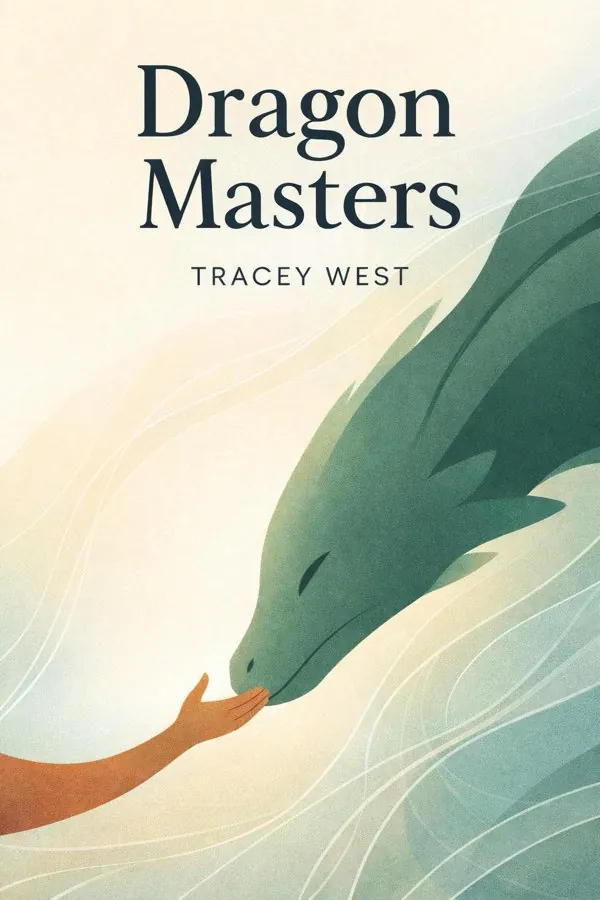
Dragon Masters: Summary & Key Insights
by Tracey West
 10 min8 chaptersAudio available
Key Takeaways from Dragon Masters
Sometimes the biggest changes in life begin as interruptions, not choices.
Who we become is often influenced by the people we stand beside and the people we struggle against.
What looks weak at first may be carrying its greatest strength in secret.
Individual talent matters, but shared effort is what turns a group into a force.
Bravery is rarely a sudden transformation; more often, it is a chain of small choices made under pressure.
What Is Dragon Masters About?
Dragon Masters by Tracey West is a bestsellers book spanning 4 pages. What if the most important moment of your life began with being taken away from everything you knew? In Dragon Masters, Tracey West turns that unsettling question into an exciting, approachable fantasy for young readers. The story follows eight-year-old Drake, a farm boy whose quiet life changes when King Roland’s soldiers bring him to the castle to train as a Dragon Master. There, he joins other children who share a mysterious gift: the ability to bond with dragons. As Drake learns to understand his own dragon, Worm, he discovers that courage is not about being fearless. It is about moving forward even when you feel small, uncertain, or out of place. The book matters because it introduces big emotional themes such as bravery, friendship, belonging, and self-discovery in a way children can immediately grasp. Tracey West, a widely loved children’s author known for fast-paced fantasy and adventure, writes with clarity, warmth, and momentum. Dragon Masters is more than a magical chapter book. It is a gentle invitation for young readers to imagine that hidden strengths can emerge when they are needed most.
This FizzRead summary covers all 8 key chapters of Dragon Masters in approximately 10 minutes, distilling the most important ideas, arguments, and takeaways from Tracey West's work. Also available as an audio summary and Key Quotes Podcast.
Dragon Masters
What if the most important moment of your life began with being taken away from everything you knew? In Dragon Masters, Tracey West turns that unsettling question into an exciting, approachable fantasy for young readers. The story follows eight-year-old Drake, a farm boy whose quiet life changes when King Roland’s soldiers bring him to the castle to train as a Dragon Master. There, he joins other children who share a mysterious gift: the ability to bond with dragons. As Drake learns to understand his own dragon, Worm, he discovers that courage is not about being fearless. It is about moving forward even when you feel small, uncertain, or out of place. The book matters because it introduces big emotional themes such as bravery, friendship, belonging, and self-discovery in a way children can immediately grasp. Tracey West, a widely loved children’s author known for fast-paced fantasy and adventure, writes with clarity, warmth, and momentum. Dragon Masters is more than a magical chapter book. It is a gentle invitation for young readers to imagine that hidden strengths can emerge when they are needed most.
Who Should Read Dragon Masters?
This book is perfect for anyone interested in bestsellers and looking to gain actionable insights in a short read. Whether you're a student, professional, or lifelong learner, the key ideas from Dragon Masters by Tracey West will help you think differently.
- ✓Readers who enjoy bestsellers and want practical takeaways
- ✓Professionals looking to apply new ideas to their work and life
- ✓Anyone who wants the core insights of Dragon Masters in just 10 minutes
Want the full summary?
Get instant access to this book summary and 100K+ more with Fizz Moment.
Get Free SummaryAvailable on App Store • Free to download
Key Chapters
Sometimes the biggest changes in life begin as interruptions, not choices. That is exactly how Dragon Masters introduces Drake, an ordinary boy whose life on his family’s onion farm is suddenly disrupted when King Roland’s soldiers arrive and take him to the castle. For a young reader, this moment feels both thrilling and frightening. Drake is not eager for glory. He is confused, worried, and unsure why he has been chosen. That emotional realism is one reason the story works so well. Tracey West shows that adventure often begins with discomfort, and growth often begins with uncertainty.
Drake’s early journey captures a common childhood experience: being pushed into a new environment before feeling ready. Whether a child is starting a new school, joining a team, or meeting unfamiliar people, the fear of not belonging can feel overwhelming. Drake becomes a useful model because he does not transform instantly into a hero. He asks questions, makes mistakes, and slowly adapts. His progress reminds readers that courage is usually gradual.
The book also suggests that hidden potential is not always obvious from the outside. Drake seems like a simple village boy, yet he possesses qualities that make him worthy of becoming a Dragon Master. He listens, observes, and keeps going even when he feels uneasy. These are quiet strengths, but they matter deeply.
A practical way to apply this idea is to help children reflect on moments when they felt nervous but managed to continue anyway. That might mean speaking up in class, trying a new activity, or making a new friend. Drake’s story teaches that being chosen for something difficult may also mean being capable of it.
Actionable takeaway: When a new challenge feels scary, do not ask only, “Why is this happening to me?” Also ask, “What strength might this challenge help me discover?”
Who we become is often influenced by the people we stand beside and the people we struggle against. When Drake reaches the castle, he meets the other Dragon Masters: Ana, Rori, and Bo. Each child has a distinct personality, and each brings a different energy to the group. This creates one of the book’s most valuable dynamics: the social challenge of learning alongside others.
At first, these relationships are not perfectly easy. There is competition, uncertainty, and misunderstanding. Rori, in particular, can seem harsh and impatient, which makes Drake’s adjustment harder. Yet this tension is important. Tracey West avoids creating a friendship group that is instantly harmonious. Instead, she shows that trust is built over time. Children often experience this in real life. Classrooms, clubs, and teams bring together different personalities, and learning how to cooperate can be just as hard as learning a new skill.
The dragon bonds reflect these human differences. Each Dragon Master and dragon pair feels unique, suggesting that no single personality type defines success. Some are bold, some are thoughtful, some are stubborn, and some are kind. This variety helps readers understand that belonging does not require sameness.
The story also teaches that rivalry can become productive if it leads to effort rather than cruelty. Drake is challenged by the others, but those challenges help him pay attention, try harder, and learn faster. The best relationships in the book are not based on perfection. They are based on mutual need, shared purpose, and gradual respect.
In practice, this idea can help children reframe difficult peer interactions. A classmate who seems intimidating may become a teammate. Someone who is very different may still have something valuable to offer. Adults can use the book to discuss empathy, cooperation, and how to handle conflict without giving up.
Actionable takeaway: Instead of deciding too quickly whether someone is an enemy or a friend, look for one small way to understand them better and work with them.
Individual talent matters, but shared effort is what turns a group into a force. One of the central lessons in Dragon Masters comes when the children must work together to protect the castle. This is where the story moves beyond training and personal discovery into collective responsibility. The challenge is not solved by a single hero acting alone. It requires coordination, trust, and the willingness to depend on others.
This is an important lesson for children because many early stories focus heavily on the exceptional individual. Dragon Masters offers a more balanced message. Drake has an important role, but he cannot succeed without the other Dragon Masters and their dragons. Each person contributes something different, and those differences become valuable only when combined. A fiery dragon, a careful thinker, a brave decision, and a moment of trust all matter.
The castle conflict also gives emotional weight to the children’s training. Their lessons are no longer abstract exercises. They must apply what they have learned under pressure. That shift reflects real life. Skills such as listening, patience, and cooperation often seem unremarkable until a stressful moment reveals how essential they are.
This idea can be applied in classrooms, families, and teams. A child might be great at reading aloud, another at organizing, another at noticing details. A group project works best when these differences are recognized rather than ignored. The story encourages children to ask not only, “What am I good at?” but also, “How can my strengths support others?”
West presents teamwork in a way that feels exciting rather than preachy. The danger is real, the stakes are clear, and the emotional reward comes from seeing characters trust one another more deeply than before.
Actionable takeaway: In any shared challenge, identify one strength you can offer and one strength you need from someone else, because real teamwork begins with both contribution and trust.
Bravery is rarely a sudden transformation; more often, it is a chain of small choices made under pressure. Drake is not introduced as fearless, and that is one of the book’s greatest strengths. He worries, hesitates, and often feels unprepared. Yet again and again, he chooses not to retreat. That pattern creates a realistic picture of courage for young readers.
In many children’s stories, heroes are naturally bold from the beginning. Dragon Masters offers a healthier and more believable model. Drake’s courage develops in stages. First, he endures being taken from home. Then he adjusts to a strange place. Then he attempts difficult training. Finally, he steps up when real danger appears. Each moment builds on the one before it. The message is clear: courage is something you practice.
This matters because children often assume they must feel confident before they act bravely. The book reverses that idea. Drake acts while still uncertain, and confidence grows afterward. That is true in everyday life as well. A child may be nervous before answering a question in class, sleeping away from home, or trying a new skill. The feeling of bravery often comes after the action, not before.
The story also shows that courage is not loud. Sometimes it looks like staying calm, paying attention, or helping a friend. Sometimes it means asking a question when you are confused. These quieter forms of bravery are especially important for readers who do not identify with flashy heroes.
Adults reading with children can use Drake’s example to talk about “brave moments” in ordinary life. This helps children see that they are already practicing courage in ways they may not notice.
Actionable takeaway: The next time you feel afraid, choose one small brave action instead of waiting to feel completely ready, because courage grows after you begin.
Feeling like you belong somewhere often takes longer than arriving there. Dragon Masters understands this emotional truth well. When Drake enters the castle, he is physically present in a new world, but emotionally he is still outside it. He misses home, mistrusts what is happening, and does not know his place among the other children or their dragons. His journey is not just about learning dragon skills. It is about learning how to belong.
This theme makes the book especially valuable for children navigating transitions. Starting school, changing neighborhoods, joining activities, or entering unfamiliar social groups can create the same tension Drake feels. You are there, but you do not yet feel that you fit. West handles this gently. Belonging is not presented as instant acceptance from others alone. It grows through participation, curiosity, and shared experience.
Drake starts to feel at home as he learns the routines of castle life, builds trust with Worm, and contributes to the group. In other words, belonging is linked to engagement. He does not become comfortable first and then participate. He participates, and comfort slowly follows. That is a powerful lesson for young readers.
The book also suggests that being different does not prevent belonging. Drake’s background as a farm boy does not make him less worthy. In fact, his perspective adds something unique. Belonging in the story does not erase individuality. It makes space for it.
In practical terms, children can apply this by taking one active step in a new environment: asking a question, learning someone’s name, practicing a skill, or helping with a task. These small actions create connection over time.
Actionable takeaway: If you feel out of place in a new setting, do one simple thing to participate today, because belonging often begins with involvement before it feels natural.
The best fantasy does more than entertain; it uses magic to reveal who characters truly are. In Dragon Masters, dragons, powers, and mysterious bonds create excitement, but the magic is never only decorative. Instead, it acts as a mirror for the children who must learn to work with it. What a dragon can do matters, but how a child responds to that power matters even more.
This is why the dragon bonds feel meaningful rather than random. Each pairing reflects aspects of personality, emotion, and growth. Drake’s connection with Worm reveals his patience and hidden potential. Other Dragon Masters display different strengths and weaknesses through their relationships with their dragons. The fantasy framework makes inner qualities visible. Young readers can understand abstract ideas like trust, confidence, or empathy more easily when they are expressed through magical creatures and dramatic situations.
The use of magic also helps keep the book inviting for newer readers. Adventure and mystery pull them forward, while the emotional lessons work in the background. A child may come for the dragons and stay for the relationships. That balance is one of Tracey West’s greatest strengths as a writer.
There is also a practical reading lesson here: stories can be enjoyed on more than one level. Children can learn to ask, “What does this magical detail show us about the character?” That builds stronger comprehension and helps young readers move from simple plot-following to deeper interpretation.
In everyday life, people also express their inner qualities through the way they use whatever strengths they have. Talent alone does not define character. Choices do.
Actionable takeaway: When reading fantasy, look beyond the exciting powers and ask what each magical element reveals about a character’s heart, fears, or strengths.
A book’s importance is not only in its message but also in the reading experience it creates. Dragon Masters succeeds because it is designed to help young readers feel capable. The chapters are short, the language is clear, and the plot moves quickly, yet the story still contains emotional depth and imaginative richness. That combination makes it an excellent bridge for children moving from early readers to fuller chapter books.
Tracey West understands the rhythm that keeps young readers engaged. She introduces questions early, answers them gradually, and ends chapters in ways that encourage children to continue. This structure builds reading momentum. For children who may feel intimidated by longer books, that sense of progress is crucial. Finishing a book like Dragon Masters can strengthen confidence and create a positive association with reading itself.
The story’s themes also support developing readers emotionally. Drake is unsure, curious, and still learning, which mirrors the experience of many children who are becoming more independent readers. As Drake grows more confident in the castle, readers may grow more confident with books.
Parents, teachers, and librarians can use this title strategically. It works well for read-aloud sessions, guided reading, or independent practice. Children who love fantasy, dragons, and friendship stories often find it especially motivating. Because the series continues beyond the first book, one successful reading experience can lead to many more.
The practical application is simple: match children with books that feel achievable without being shallow. A strong reading habit grows when challenge and enjoyment are balanced.
Actionable takeaway: If a young reader is ready for chapter books, choose stories with clear structure, lively pacing, and emotional connection, because confidence grows fastest when reading feels both manageable and exciting.
All Chapters in Dragon Masters
About the Author
Tracey West is an American author widely recognized for her contributions to children’s literature. She has written many books for young readers, including original series, licensed fiction, and popular tie-in titles. She is best known for the Dragon Masters series, which has introduced many children to chapter-book fantasy through short, engaging adventures filled with dragons, friendship, and discovery. West has also written books connected to major franchises such as Pokémon, showing her talent for creating exciting stories within imaginative worlds. Her writing is known for its clarity, strong pacing, and child-friendly emotional themes. Because she combines accessible language with compelling plots, her books are often recommended for early independent readers. Tracey West has earned a loyal audience by helping children build reading confidence while enjoying imaginative, fast-moving stories.
Get This Summary in Your Preferred Format
Read or listen to the Dragon Masters summary by Tracey West anytime, anywhere. FizzRead offers multiple formats so you can learn on your terms — all free.
Available formats: App · Audio · PDF · EPUB — All included free with FizzRead
Download Dragon Masters PDF and EPUB Summary
Key Quotes from Dragon Masters
“Sometimes the biggest changes in life begin as interruptions, not choices.”
“Who we become is often influenced by the people we stand beside and the people we struggle against.”
“What looks weak at first may be carrying its greatest strength in secret.”
“Individual talent matters, but shared effort is what turns a group into a force.”
“Bravery is rarely a sudden transformation; more often, it is a chain of small choices made under pressure.”
Frequently Asked Questions about Dragon Masters
Dragon Masters by Tracey West is a bestsellers book that explores key ideas across 8 chapters. What if the most important moment of your life began with being taken away from everything you knew? In Dragon Masters, Tracey West turns that unsettling question into an exciting, approachable fantasy for young readers. The story follows eight-year-old Drake, a farm boy whose quiet life changes when King Roland’s soldiers bring him to the castle to train as a Dragon Master. There, he joins other children who share a mysterious gift: the ability to bond with dragons. As Drake learns to understand his own dragon, Worm, he discovers that courage is not about being fearless. It is about moving forward even when you feel small, uncertain, or out of place. The book matters because it introduces big emotional themes such as bravery, friendship, belonging, and self-discovery in a way children can immediately grasp. Tracey West, a widely loved children’s author known for fast-paced fantasy and adventure, writes with clarity, warmth, and momentum. Dragon Masters is more than a magical chapter book. It is a gentle invitation for young readers to imagine that hidden strengths can emerge when they are needed most.
You Might Also Like

The Godfather
Mario Puzo
10 min
The Handmaid's Tale
Margaret Atwood
10 min
The Hunger Games
Suzanne Collins
10 min
The Nightingale
Kristin Hannah
10 min
The Seven Husbands of Evelyn Hugo
Taylor Jenkins Reid
10 min
Backwater Justice
Fern Michaels
10 minBrowse by Category
Ready to read Dragon Masters?
Get the full summary and 100K+ more books with Fizz Moment.