
The Love Hypothesis vs People We Meet on Vacation: Which Should You Read?
A detailed comparison of The Love Hypothesis by Ali Hazelwood and People We Meet on Vacation by Emily Henry. Discover the key differences, strengths, and which book is right for you.
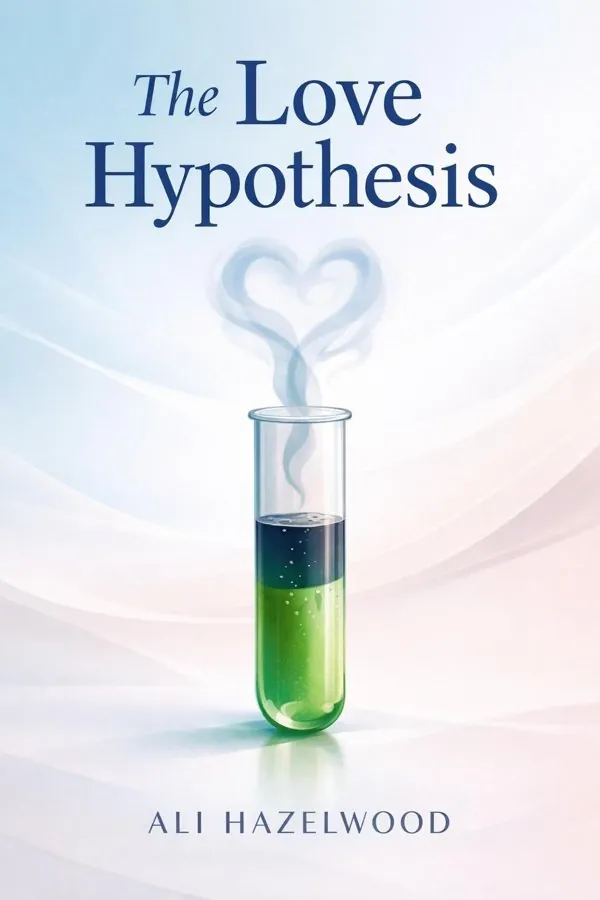

The Love Hypothesis
People We Meet on Vacation
In-Depth Analysis
The Love Hypothesis by Ali Hazelwood and People We Meet on Vacation by Emily Henry are both contemporary romantic comedies, but they operate through very different emotional architectures. One begins with an artificial arrangement and discovers sincerity inside it; the other begins with real intimacy and explores the damage caused by its suppression. That difference alone explains much of their distinct appeal. Hazelwood’s novel is built like a romantic thought experiment, while Henry’s is built like an emotional scrapbook.
In The Love Hypothesis, Olive Smith’s skepticism about love is not just a generic rom-com trait. It emerges from the pressures of graduate school, the instability of academic careers, and a worldview trained to privilege evidence over fantasy. The fake-dating setup therefore does more than create comic tension. It externalizes Olive’s desire to control uncertainty. By constructing rules around her relationship with Adam Carlsen—public appearances, limited gestures, professional boundaries—she attempts to make emotion manageable. The irony, of course, is that love in the novel behaves exactly like a hypothesis under testing: once exposed to lived experience, the original assumptions fail.
Adam is central to this dynamic because he initially appears to embody distance, severity, and institutional power. His reputation as an intimidating professor creates a familiar grumpy-sunshine pattern, but Hazelwood uses Olive’s misreading of him to dramatize a larger theme: people often mistake reserve for indifference. The novel’s strongest scenes are not merely flirtatious but interpretive. Olive is constantly revising her understanding of Adam, and the reader experiences the romance through that process of correction. In this sense, the book’s emotional structure depends on revelation.
People We Meet on Vacation takes the opposite route. There, the emotional stakes do not come from discovering who the other person is but from confronting what both characters have long known and failed to say. Poppy Wright and Alex Nilsen already share years of history, inside jokes, annual summer trips, and a bond deep enough to shape their adult identities. Emily Henry’s achievement lies in showing how friendship can become the most intimate form of dependence before either person formally names it as love.
The novel’s alternating “then and now” timeline is crucial. Rather than front-loading exposition, Henry lets each vacation deepen the reader’s understanding of the pair’s emotional grammar. Their differences—Poppy’s appetite for novelty, Alex’s steadiness and rootedness—could be a cliché, but Henry makes them feel existential. Poppy is not simply spontaneous; she is someone who fears stillness because stillness invites self-knowledge. Alex is not merely stable; he represents the possibility of a life organized around depth rather than motion. Every trip tests these orientations. The destinations matter because they give physical form to emotional stages: fun, escape, avoidance, fracture, attempted repair.
Where The Love Hypothesis thrives on romantic momentum, People We Meet on Vacation thrives on accumulated ache. The two-year estrangement gives the story a retrospective sadness that Hazelwood’s book largely avoids. Poppy’s successful New York life, contrasted with her emotional emptiness, becomes one of Henry’s key insights: freedom and fulfillment are not interchangeable. The novel asks what happens when someone has curated the life they thought they wanted but still feels misaligned. Alex, in this framework, is not just a love interest but a challenge to Poppy’s self-concept.
Stylistically, the books differ just as sharply. Hazelwood favors speed, banter, and high-visibility chemistry. The scenes are often designed around immediate tension: a public performance of romance, a charged moment of physical closeness, a professional situation complicated by private feeling. The academic setting gives this pace extra freshness. Lab life, conferences, career anxiety, and institutional gossip are not decorative details; they shape how Olive interprets risk. The romance works partly because Olive must reconcile desire with self-protection in a world where reputation matters.
Henry, by contrast, writes with more tonal elasticity. Her humor is sharp, but she lingers longer in longing, regret, and memory. The vacations are not just backdrops for flirtation; they are containers for time. That gives People We Meet on Vacation a broader emotional range. It can be funny in one scene and quietly devastating in the next because its central question is not whether these two people belong together, but why they have postponed that truth for so long.
Another important contrast is how each novel handles vulnerability. In The Love Hypothesis, vulnerability arrives through the collapse of a premise. Olive and Adam begin by pretending, and the emotional climax comes when pretending becomes impossible. In People We Meet on Vacation, vulnerability is delayed by history. Poppy and Alex are not hiding behind a formal arrangement but behind habit, loyalty, and fear of ruining the relationship that already matters most. As a result, Henry’s book is less about crossing from strangers to lovers and more about crossing from emotional implication to explicit commitment.
For readers, this means the books satisfy different romantic appetites. If you want a sharply trope-driven novel with immediate chemistry, witty dialogue, and a distinctive academic setting, The Love Hypothesis delivers with precision. If you want a more reflective romance about timing, friendship, memory, and the quiet panic of realizing you may already have met the right person, People We Meet on Vacation offers greater emotional layering.
Ultimately, both books are effective because they understand that modern romance is inseparable from self-narration. Olive tells herself love is improbable and unmanageable until experience disproves her. Poppy tells herself movement equals vitality and that friendship can remain safely unnamed until emotional absence exposes the lie. Both heroines must revise their theories of love. Hazelwood stages that revision as a delightful experiment; Henry stages it as a slow recognition. Neither approach is inherently better, but they produce notably different reading experiences: one buoyant and trope-forward, the other wistful and cumulative.
Side-by-Side Comparison
| Aspect | The Love Hypothesis | People We Meet on Vacation |
|---|---|---|
| Core Philosophy | The Love Hypothesis treats love as something that can begin as a controlled experiment and still produce unpredictable, transformative results. Olive’s arc is built around the idea that emotional truth can emerge even inside a deliberately artificial setup like fake dating. | People We Meet on Vacation frames love as an outgrowth of long-term friendship, timing, and emotional recognition. Rather than asking whether attraction can be engineered, it asks whether two people who already know each other deeply can finally admit what has always been there. |
| Writing Style | Ali Hazelwood writes in a brisk, banter-heavy rom-com mode with a strong internal monologue and heavy use of academic setting details. The tone is playful, self-aware, and often driven by awkward humor and charged proximity scenes. | Emily Henry’s prose is warmer, more reflective, and more atmospheric, especially in the travel sequences and alternating timelines. The novel balances wit with nostalgia, giving the emotional beats more lingering space. |
| Practical Application | Its most practical takeaway is about boundaries, communication, and how assumptions distort relationships, especially in professional environments. Readers may also connect with its depiction of impostor syndrome, academic pressure, and the difficulty of asking for support. | Its practical value lies in its portrayal of friendship maintenance, emotional avoidance, and the consequences of not speaking honestly. It offers recognizable insights into how career success can coexist with loneliness and how shared rituals can sustain intimacy over years. |
| Target Audience | This novel especially suits readers who enjoy STEM settings, fake dating, grumpy-sunshine chemistry, and high-concept romance premises. It is also likely to appeal to readers who want a contemporary romance centered on graduate school life and women in science. | This book is ideal for readers who prefer friends-to-lovers, slow-burn emotional tension, and stories shaped by memory and place. It will strongly appeal to readers who enjoy character-driven romance with travel, nostalgia, and emotional second chances. |
| Scientific Rigor | Although it is primarily a romance, The Love Hypothesis uses the world of academia with enough specificity to feel grounded: conferences, lab politics, grant anxiety, reputation, and professional hierarchies all matter to the plot. The science works more as social texture than technical argument, but it meaningfully shapes Olive’s worldview. | People We Meet on Vacation has no comparable scientific frame; its realism comes from emotional observation rather than institutional detail. Its structure is not built on expertise or profession-specific rigor but on relational authenticity. |
| Emotional Impact | The emotional impact comes from vulnerability breaking through performance, especially when Olive realizes that Adam’s apparent coldness masks care, patience, and longstanding affection. Its strongest feelings arise in scenes where misread intentions and self-protective skepticism finally collapse. | The emotional force is more cumulative, built through years of shared trips, missed chances, and the ache of separation after emotional dependence. The two-year gap and the mystery of what went wrong give the reunion arc a richer melancholy. |
| Actionability | Readers can easily extract lessons about clarifying expectations, resisting self-sabotage, and recognizing how fear can masquerade as rationality. The fake-dating premise is exaggerated, but the interpersonal mistakes feel concrete and relatable. | Its lessons are equally actionable but subtler: prioritize honesty early, do not let comfort replace confession, and notice when a friendship has become the emotional center of your life. It is especially useful for readers reflecting on unresolved relationships. |
| Depth of Analysis | Its depth comes from the intersection of romance with power structures in academia, personal insecurity, and the performance of competence. While the novel remains light in tone, it touches on gendered professional pressures and the cost of emotional guardedness. | Emily Henry digs more deeply into memory, identity, and the mismatch between external success and internal fulfillment. The novel has greater psychological layering because it examines not just falling in love but how people narrate their own lives over time. |
| Readability | It is immediately accessible, fast-paced, and highly bingeable, with a strong hook from the opening kiss and fake relationship setup. The clear trope structure makes it easy for romance newcomers to follow and enjoy. | It is also very readable, but its alternating timelines ask for more patience as the central rupture is gradually revealed. Readers willing to sit with emotional buildup will find the structure rewarding rather than difficult. |
| Long-term Value | Its long-term value lies in how memorably it refreshes familiar romance tropes through a STEM lens and in how often readers return to its chemistry and humor. It is a comfort reread for trope lovers. | Its long-term value is stronger for readers who revisit books for emotional resonance, seasonal atmosphere, and life-stage reflection. The annual trips and layered friendship make it the more meditative reread. |
Key Differences
Premise Engine
The Love Hypothesis is propelled by a single artificial setup: Olive kisses Adam impulsively and they agree to fake a relationship. People We Meet on Vacation instead builds tension from years of shared vacations and a broken friendship, so the plot engine is history rather than performance.
Romantic Trajectory
Hazelwood’s novel moves from strangers-with-misconceptions into intimacy, with each scene revising Olive’s understanding of Adam. Henry’s novel moves from intimacy-with-denial toward confession, asking why two people who clearly matter to each other so deeply have delayed emotional honesty.
Use of Setting
In The Love Hypothesis, academia is integral: graduate school stress, lab politics, conferences, and professional boundaries all shape the romance. In People We Meet on Vacation, settings are episodic and symbolic, with each vacation destination reflecting a different phase in Poppy and Alex’s relationship.
Tone and Mood
The Love Hypothesis has a brighter, more overtly comic tone, even when dealing with insecurity and vulnerability. People We Meet on Vacation carries more wistfulness and melancholy because its humor is threaded through missed chances, emotional distance, and the pain of estrangement.
Narrative Structure
Hazelwood tells a relatively linear story that gains energy from immediate romantic stakes. Henry uses parallel timelines, revealing the past gradually so that the reader experiences both the charm of the friendship and the suspense of the unresolved break.
Type of Emotional Payoff
The payoff in The Love Hypothesis comes when the characters stop treating feelings as part of an arrangement and acknowledge what was real all along. In People We Meet on Vacation, the payoff is less about surprise and more about release: the relief of finally naming what years of companionship have already proven.
Appeal to Different Romance Readers
Readers who love fake dating, grumpy-sunshine, and high-concept rom-com mechanics will likely prefer The Love Hypothesis. Readers who gravitate toward friends-to-lovers, yearning, and relationship histories that unfold over time will probably favor People We Meet on Vacation.
Who Should Read Which?
Reader who loves trope-forward rom-coms with witty banter and strong chemistry
→ The Love Hypothesis
This reader will likely enjoy the fake-dating structure, grumpy-sunshine pairing, and fast emotional escalation between Olive and Adam. The STEM setting also gives familiar romance beats a fresh frame without sacrificing accessibility.
Reader who wants an emotionally rich friends-to-lovers story with longing and nostalgia
→ People We Meet on Vacation
Poppy and Alex’s years of shared vacations create exactly the kind of deep emotional history this reader wants. The novel excels at longing, missed timing, and the bittersweet realization that your closest friend may also be your great love.
Reader returning to romance after a long break and unsure where to begin
→ The Love Hypothesis
It is easier to enter because the premise is simple, the pacing is quick, and the character dynamic is immediately legible. Once that reader reconnects with the pleasures of contemporary romance, they can move on to the more layered emotional structure of People We Meet on Vacation.
Which Should You Read First?
If you plan to read both, start with The Love Hypothesis and follow with People We Meet on Vacation. Hazelwood’s novel is the quicker, more premise-driven read, and it immediately immerses you in a playful romance with strong chemistry and clear narrative momentum. That makes it an excellent opener, especially if you want to be pulled in fast by fake dating, academic banter, and a satisfying emotional reveal. Reading People We Meet on Vacation second works well because it offers a different, deeper emotional texture. After the bright energy of Olive and Adam’s story, Poppy and Alex’s slower, more reflective dynamic will feel like an expansion of the contemporary romance form rather than a repetition of it. The alternating timelines and friendship history ask for more emotional patience, but they reward it with stronger melancholy and greater thematic resonance. In short: begin with the more immediately addictive book, then move to the more wistful and layered one.
Want the full summary?
Get instant access to this book summary and 100K+ more with Fizz Moment.
Get Free SummaryAvailable on App Store • Free to download
Frequently Asked Questions
Is The Love Hypothesis better than People We Meet on Vacation for beginners?
For many romance beginners, The Love Hypothesis is the easier entry point because its premise is instantly legible: fake dating between a Ph.D. student and a professor creates immediate stakes, humor, and romantic tension. The plot hook arrives fast, and the emotional beats are structured around recognizable tropes like grumpy-sunshine and forced proximity. People We Meet on Vacation is also accessible, but its dual timeline and long history between Poppy and Alex ask readers to invest more gradually. If a beginner wants a fast, trope-forward contemporary romance, The Love Hypothesis is often the better starting pick; if they prefer emotional realism and friends-to-lovers depth, Emily Henry may be more satisfying.
Which is more emotional: The Love Hypothesis or People We Meet on Vacation?
People We Meet on Vacation is generally the more emotionally resonant book, especially for readers who respond to nostalgia, regret, and unresolved longing. Its annual trips and two-year estrangement create a sense of loss that lingers underneath even the funniest scenes. The Love Hypothesis has strong emotional moments too, particularly when Olive’s assumptions about Adam finally break down, but its overall mood is lighter and more overtly comedic. If you want a romance that makes you feel the weight of years, missed timing, and friendship turning into love, People We Meet on Vacation goes deeper into those emotions.
Which book has better romance tropes: The Love Hypothesis vs People We Meet on Vacation?
That depends on which tropes you prefer. The Love Hypothesis is the stronger choice for readers who actively seek fake dating, grumpy-sunshine dynamics, academic romance, and a clear high-concept setup. It uses trope architecture very deliberately, and much of its fun comes from watching those devices execute cleanly. People We Meet on Vacation is ideal for readers who love friends-to-lovers, slow burn, vacation romance, and second-chance emotional repair. In pure trope visibility, The Love Hypothesis is more overt and immediately satisfying; in emotional integration, People We Meet on Vacation often feels more organic because the romance grows from years of shared history.
Is People We Meet on Vacation better than The Love Hypothesis for readers who want character development?
Yes, for many readers People We Meet on Vacation offers richer long-form character development because it tracks Poppy and Alex across multiple years and locations. Their growth is not confined to a single romantic arrangement; it emerges through life choices, career shifts, and changing self-understanding. Poppy’s outward success and inward dissatisfaction add psychological depth, while Alex’s steadiness becomes more complex over time. The Love Hypothesis has meaningful development too, especially in Olive’s movement from skepticism to vulnerability, but its character work is more tightly tied to the central fake-dating plot. If your priority is layered growth over time, Emily Henry’s novel usually wins.
Which book should I read if I like smart romantic comedies with specific settings?
Choose The Love Hypothesis if you want setting specificity to be part of the book’s identity. The academic environment—labs, conferences, research pressures, reputational concerns, and STEM culture—does real narrative work rather than serving as a vague backdrop. Olive’s mindset is inseparable from that world. People We Meet on Vacation also has a vivid sense of place, but its specificity comes through travel destinations and the emotional meanings attached to them rather than through a professional subculture. So if you want a romance where the setting shapes the characters’ logic and behavior, The Love Hypothesis is the more precise and setting-driven choice.
What are the biggest differences between The Love Hypothesis and People We Meet on Vacation?
The biggest difference is structural: The Love Hypothesis starts with a fake relationship that turns real, while People We Meet on Vacation starts with a real friendship that has never fully admitted its romantic truth. That means Hazelwood’s novel is fueled by comedic premise and gradual revelation, whereas Henry’s is fueled by history, memory, and emotional withholding. They also differ in atmosphere. The Love Hypothesis is brighter, more trope-centered, and anchored in academia; People We Meet on Vacation is more wistful, more reflective, and shaped by recurring summer trips. One feels like a cleverly designed rom-com experiment, the other like a years-long emotional reckoning.
The Verdict
If you are choosing between these two novels, the best answer depends less on quality than on the kind of romantic experience you want. The Love Hypothesis is the stronger pick for readers who want immediate chemistry, a clear and entertaining premise, and the pleasure of watching a fake relationship become undeniable reality. Its academic setting gives it personality, and Olive and Adam’s dynamic is built for readers who enjoy banter, awkwardness, and highly satisfying trope execution. People We Meet on Vacation is the better choice for readers who want a more emotionally layered romance. Poppy and Alex’s bond has history, texture, and the ache of things left unsaid. Emily Henry is especially good at showing how a person can appear successful while remaining emotionally unfulfilled, and the travel framework gives the novel a memorable rhythm and atmosphere. If your priority is fun, pace, and a distinctive rom-com setup, start with The Love Hypothesis. If your priority is depth, longing, and the emotional complexity of friendship turning into love, choose People We Meet on Vacation. On balance, People We Meet on Vacation has slightly greater emotional staying power, while The Love Hypothesis is often more instantly addictive. The better book is the one that matches your preferred romance mode: playful experiment or wistful slow-burn reckoning.
Related Comparisons



Want to read both books?
Get AI-powered summaries of both The Love Hypothesis and People We Meet on Vacation in just 20 minutes total.