
Meditations vs Tao Te Ching: Which Should You Read?
A detailed comparison of Meditations by Marcus Aurelius and Tao Te Ching by Lao Tzu. Discover the key differences, strengths, and which book is right for you.

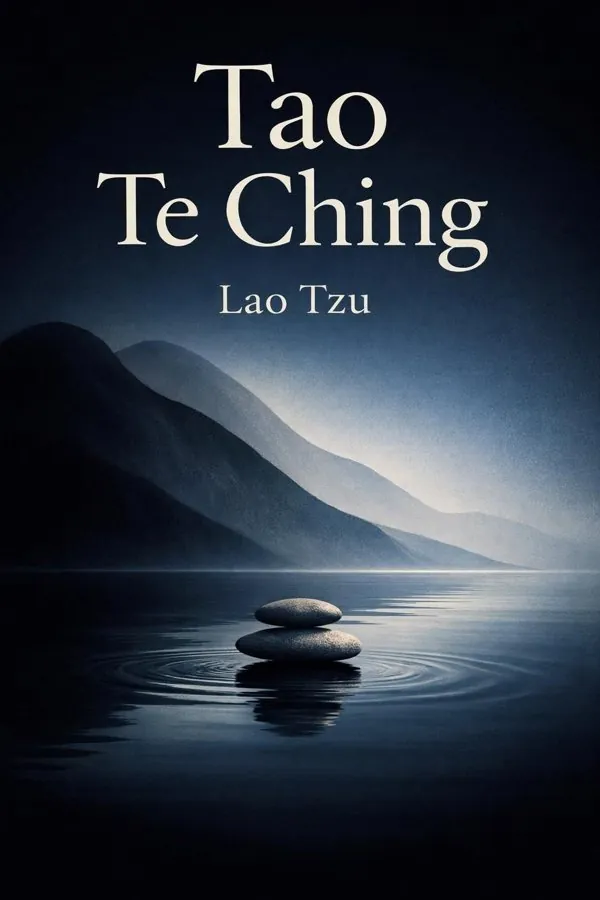
Meditations
Tao Te Ching
In-Depth Analysis
Meditations and the Tao Te Ching are both ancient philosophy classics, but they teach almost opposite methods for becoming a wiser human being. Marcus Aurelius asks the reader to strengthen the ruling faculty of the mind through discipline, reason, and moral vigilance. Lao Tzu asks the reader to relax the compulsion to control, to trust the deeper pattern of reality, and to move with life rather than against it. Put simply, Meditations is a handbook for governing the self; the Tao Te Ching is a guide to ungoverning the self enough to come into harmony.
The first major difference lies in how each book imagines the ideal human response to difficulty. In Book II of Meditations, Marcus begins with a famous exercise: when you wake up, remind yourself that you will meet interfering, ungrateful, arrogant, dishonest, jealous, and surly people. The point is not cynicism but preparedness. Since such behavior arises from ignorance of good and evil, you should not be shocked by it or morally contaminated by it. This is classic Stoic training: anticipate friction, regulate your judgment, and refuse to surrender your character to someone else’s vice. The Tao Te Ching approaches conflict from another angle. Instead of mentally bracing against difficult people, it repeatedly suggests that softness and non-contention are stronger than confrontation. Water becomes the central image: it yields, seeks low places, and yet wears down stone. Where Marcus emphasizes inner fortification, Lao Tzu emphasizes fluid adaptation.
This contrast extends to action itself. Book V of Meditations is intensely anti-inertia. Marcus pushes himself to rise from bed, stop indulging comfort, and perform the work of a human being. His ethic is one of duty: the bee must do the work of the bee, and the human being must act justly within the larger whole. Action has moral urgency because time is short. By contrast, the Tao Te Ching’s doctrine of wu wei, often translated as non-action, does not reject action but rejects strained, ego-driven, overmanaged action. The sage acts without forcing and leads without possessing. If Marcus asks, “Are you doing your duty?” Lao Tzu asks, “Are you making things worse by trying too hard?” In modern terms, Meditations is excellent for procrastination and moral drift; the Tao Te Ching is excellent for burnout, overcontrol, and manipulative leadership.
Their styles reveal their philosophies. Meditations was never polished for publication, and that is one reason it remains powerful. Book I opens with a series of debts: Marcus names what he learned from teachers, relatives, and exemplars. Gratitude here is not sentimental; it is part of ethical self-construction. Elsewhere he writes in abrupt imperatives to himself: do not chase fame, remember how quickly all things vanish, confine yourself to the present task. Because the book is a private journal, it gives readers access to philosophy in the act of self-correction. The Tao Te Ching, by contrast, speaks as distilled wisdom. Its opening claim that the Tao that can be spoken is not the eternal Tao already destabilizes literal reading. It teaches through paradox: emptiness is useful, not-knowing may be higher than cleverness, and the sage succeeds by not claiming success. This style makes it less immediately directive than Marcus, but more spacious and suggestive.
On leadership, both books are extraordinary, though in different registers. Marcus writes as an emperor trying not to be corrupted by rank, irritation, or vanity. In Book III and Book IV, he repeatedly shrinks the importance of fame by placing human life against the vastness of time and the interdependence of nature. His answer to power is humility before the cosmos and responsibility within one’s role. Lao Tzu also distrusts domination, but his model ruler is quieter. The sage leads without advertising himself, influences without coercing, and leaves people feeling that they acted on their own. This makes the Tao Te Ching especially resonant for modern leadership theory that values facilitation over command. Marcus is the better guide for ethical responsibility under pressure; Lao Tzu is often the better guide for preventing power from becoming forceful and brittle.
Another key difference is psychological texture. Meditations is full of friction because Marcus is writing against his own recurring weaknesses: fatigue, annoyance, concern for reputation, resistance to unpleasant tasks. It is an intensely interior book. Readers often feel seen by it because its author is visibly wrestling with himself. The Tao Te Ching is less confessional and more atmospheric. It offers release instead of struggle. Simplicity, humility, and reduction of desire are not framed mainly as moral combat, but as a return to what is natural. If Meditations says, “Master your responses,” the Tao Te Ching says, “Stop adding so much unnecessary conflict to life.”
For beginners, Meditations is usually easier to apply. You can underline a passage, turn it into a daily reminder, and use it the same afternoon. Its counsel about mortality, reputation, and duty is concrete. The Tao Te Ching often works more slowly. A chapter may seem elusive until a personal crisis suddenly makes it obvious. That delayed clarity is part of its power. The book does not merely answer problems; it changes the posture from which problems are approached.
Ultimately, the books are less rivals than complements. Meditations is strongest when you need steadiness, self-command, and moral seriousness. The Tao Te Ching is strongest when you need surrender, proportion, and freedom from compulsive striving. Marcus teaches how not to be ruled by the world. Lao Tzu teaches how not to overrule the world. Read together, they offer a rare double wisdom: disciplined integrity on one side, effortless alignment on the other.
Side-by-Side Comparison
| Aspect | Meditations | Tao Te Ching |
|---|---|---|
| Core Philosophy | Meditations is grounded in Stoicism: live according to reason, accept what lies outside your control, and focus relentlessly on virtue. Marcus Aurelius returns again and again to duty, self-command, mortality, and the idea that a rational mind can remain free even under pressure. | Tao Te Ching centers on harmony with the Tao, the underlying way of reality that cannot be fully named or mastered. Rather than emphasizing rational discipline, Lao Tzu stresses paradox, humility, non-forcing, and alignment through wu wei. |
| Writing Style | Meditations reads like a private notebook: fragmented, repetitive, intimate, and often urgent. Its tone is direct and corrective, as if Marcus is catching his own mind drifting and pulling it back toward steadiness. | Tao Te Ching is compressed, poetic, and aphoristic, often speaking in paradox: emptiness is useful, softness overcomes hardness, the sage leads by not dominating. Its style invites contemplation rather than straightforward argument. |
| Practical Application | Marcus offers immediate tools for daily life, such as beginning the morning expecting difficult people, remembering death to cut through vanity, and doing the work proper to a human being. The book is especially practical for handling stress, ego, social conflict, and obligation. | Lao Tzu’s practicality is subtler but powerful: reduce excess, avoid unnecessary interference, act without strain, and lead without grasping. Its application often appears in leadership, relationships, and moments when force is making problems worse. |
| Target Audience | Meditations suits readers who want a morally serious, disciplined framework for personal conduct. It especially appeals to people facing responsibility, pressure, ambition, or inner turbulence. | Tao Te Ching suits readers open to contemplative ambiguity and spiritual insight rather than tightly argued systems. It is often ideal for those drawn to mindfulness, Eastern philosophy, or a less effort-driven approach to life. |
| Scientific Rigor | As an ancient philosophical journal, Meditations does not present empirical evidence in a modern sense, though some of its practices align loosely with contemporary cognitive reframing and resilience training. Its authority comes from ethical reflection and lived experience, not scientific method. | Tao Te Ching is even less concerned with analytic proof, relying instead on intuition, metaphor, and observations about nature and human behavior. Its value is wisdom-oriented rather than evidence-based, and many of its claims are existential rather than testable. |
| Emotional Impact | Meditations can feel bracing, stern, and deeply human because it shows an emperor struggling with fatigue, irritation, fame, and death. Its emotional force comes from witnessing vulnerability under discipline. | Tao Te Ching often has a gentler, more spacious emotional effect, calming the reader by loosening the grip of striving and control. Its wisdom can feel soothing, especially in chapters praising softness, stillness, and emptiness. |
| Actionability | Meditations is highly actionable because it repeatedly translates philosophy into inner commands: stop delaying, do the task before you, speak truthfully, and accept events as part of nature. Many passages function like mental exercises for daily use. | Tao Te Ching is actionable in a more interpretive way, asking readers to subtract rather than add: simplify, refrain from forcing, and trust organic processes. Its advice is practical, but often requires reflection to apply well. |
| Depth of Analysis | Marcus probes the mechanics of moral psychology with unusual intensity, examining anger, reputation, fear, laziness, and attachment from the inside. The book’s depth comes from repeated self-examination rather than formal systematic structure. | Lao Tzu offers depth through paradox and cosmological compression rather than introspective self-analysis. The book’s insights are profound but often implicit, requiring the reader to unfold them across multiple rereadings. |
| Readability | Meditations is generally easier to grasp at the sentence level because its points are often explicit, even when the structure is loose. However, the repetition and fragmentary organization can make it uneven to read straight through. | Tao Te Ching is brief and accessible in length, but its meanings are harder to pin down because translation choices and paradox shape every chapter. It is easy to read quickly and difficult to fully understand. |
| Long-term Value | Meditations offers lasting value as a lifelong manual for character formation, especially in periods of stress, leadership, illness, grief, or moral uncertainty. Different stages of life reveal different uses in Marcus’s reminders about duty and impermanence. | Tao Te Ching offers long-term value as a text of continual reorientation, helping readers return to simplicity, humility, and non-coercive wisdom. It deepens over time because its paradoxes keep speaking differently as one’s life becomes more complicated. |
Key Differences
Discipline vs Alignment
Meditations teaches that a person becomes free by disciplining thought and action according to reason. Tao Te Ching teaches that freedom comes from aligning with the Tao and dropping unnecessary force; for example, Marcus urges himself to do his duty, while Lao Tzu praises action that does not strain.
Moral Effort vs Non-Forcing
Marcus Aurelius constantly exhorts himself: get up, stop complaining, master impressions, and remain just. Lao Tzu warns that too much interference distorts outcomes, so wisdom often appears as restraint, yielding, and letting things unfold with minimal coercion.
Journal Intimacy vs Poetic Compression
Meditations feels like overhearing a ruler coach himself through weakness, irritation, and mortality. Tao Te Ching feels like receiving distilled wisdom in symbolic, paradoxical lines, such as the usefulness of emptiness or the strength of water.
Explicit Ethics vs Suggestive Metaphysics
Meditations is openly concerned with virtue: justice, temperance, courage, and rationality are repeated moral anchors. Tao Te Ching is ethically potent too, but it often arrives through images of nature and paradox rather than direct moral vocabulary.
Resistance to Social Corruption vs Withdrawal from Social Excess
Marcus repeatedly reminds himself not to be seduced by fame, court politics, or the bad behavior of others. Lao Tzu goes further in critiquing excess itself, praising simplicity, reducing desire, and preferring lowliness over status.
Leadership Through Duty vs Leadership Through Presence
In Meditations, leadership is a burden that must be carried with integrity and cosmic perspective. In Tao Te Ching, the best leader is almost invisible, guiding without self-display so that people feel they moved naturally rather than under command.
Linear Application vs Layered Reinterpretation
Meditations often produces immediate takeaways you can convert into habits the same day, such as preparing for difficult people each morning. Tao Te Ching often reveals meaning gradually, with short chapters taking on new significance depending on your circumstances.
Who Should Read Which?
The high-responsibility professional or leader under pressure
→ Meditations
This reader will benefit from Marcus Aurelius’s focus on duty, emotional regulation, and indifference to praise or irritation. The book directly addresses how to remain ethical and steady amid conflict, fatigue, and constant demands.
The spiritually curious reader drawn to mindfulness, simplicity, and non-striving
→ Tao Te Ching
Lao Tzu offers a gentler philosophy centered on humility, stillness, and alignment rather than force. Readers who feel overwhelmed by achievement culture often find its teachings on simplicity and wu wei deeply liberating.
The reader seeking a complete personal philosophy toolbox
→ Meditations
Start with Meditations for structure and actionable mental habits, then move to Tao Te Ching for balance and subtlety. Marcus gives the framework; Lao Tzu prevents that framework from becoming rigid or ego-driven.
Which Should You Read First?
Read Meditations first if you want a strong conceptual and practical foothold. Marcus Aurelius speaks more directly, and his reflections give you a stable vocabulary for self-observation: control, duty, judgment, mortality, and virtue. That makes it easier to build a daily reflective habit, especially if you are new to philosophy. Because the book was written as a personal journal, it also feels psychologically immediate; you can see the philosophy being used in real time. Then read Tao Te Ching as a deepening and softening companion. Once you have absorbed Marcus’s emphasis on discipline, Lao Tzu can prevent that discipline from turning rigid, joyless, or overcontrolling. His ideas about wu wei, humility, and simplicity broaden the picture by showing that wisdom is not only about effort and mastery, but also about receptivity and non-coercion. This order works best for most readers because it moves from the more explicit text to the more paradoxical one. If, however, you are currently exhausted or spiritually overscheduled, starting with Tao Te Ching may be the gentler and more necessary entrance.
Want the full summary?
Get instant access to this book summary and 100K+ more with Fizz Moment.
Get Free SummaryAvailable on App Store • Free to download
Frequently Asked Questions
Is Meditations better than Tao Te Ching for beginners?
For many beginners, Meditations is easier to enter because Marcus Aurelius is usually more explicit about what he means. When he tells himself to expect difficult people, stop delaying action, or ignore fame because life is short, the practical lesson is clear. Tao Te Ching is shorter, but its paradoxical language can be harder for first-time philosophy readers to interpret. That said, beginners who prefer poetic, spiritual, and less argumentative writing may find Lao Tzu more inviting. If you want direct advice, start with Meditations; if you want intuitive wisdom that opens slowly, start with Tao Te Ching.
What is the main difference between Meditations and Tao Te Ching in daily life?
In daily life, Meditations teaches disciplined response, while Tao Te Ching teaches relaxed alignment. Marcus Aurelius wants you to examine your judgments, fulfill your duty, and remain just even when others are difficult or unfair. Lao Tzu wants you to notice where force, ego, and excess are creating friction, then simplify and act with less strain. So if you are dealing with procrastination, anger, or stressful obligations, Meditations may feel more immediately useful. If you are overworking, controlling outcomes, or escalating conflict through effort, Tao Te Ching often provides the wiser correction.
Is Tao Te Ching better than Meditations for anxiety and inner peace?
Tao Te Ching is often better for readers seeking calm, spaciousness, and release from compulsive striving. Its emphasis on stillness, humility, and wu wei can reduce the pressure to dominate every outcome, which is often a hidden source of anxiety. Meditations also helps with anxiety, but it does so through mental discipline: accept what is outside your control, correct your judgments, and return to the present duty. Some readers find this strengthening; others find it stern. If your anxiety is fueled by overcontrol, Tao Te Ching may soothe you more quickly. If it comes from scattered thinking and reactive emotions, Meditations may be more stabilizing.
Which book is better for leadership: Meditations or Tao Te Ching?
Both are excellent, but they model leadership differently. Meditations is better for leaders who need moral seriousness, resilience, and a strong sense of responsibility under pressure. Marcus Aurelius shows how to hold power without being ruled by ego, praise, irritation, or fear. Tao Te Ching is better for leaders who need to stop overmanaging, controlling, or performing authority. Lao Tzu’s sage leads by creating conditions rather than demanding attention, and influences others without domination. In modern organizations, Meditations helps with integrity and accountability, while Tao Te Ching helps with restraint, humility, and non-coercive leadership.
Should I read Meditations or Tao Te Ching first if I want practical philosophy?
If your goal is practical philosophy you can apply immediately, read Meditations first. Its entries often function like daily mental drills: remember mortality, expect human difficulty, focus on your task, and distinguish what is up to you from what is not. Tao Te Ching is practical too, but its practicality is indirect. It often teaches by image and paradox, such as water overcoming hardness or emptiness being useful. Those insights can transform behavior, especially in relationships and leadership, but they usually require more reflection. For direct implementation, Meditations comes first; for deeper softening and simplification, follow with Tao Te Ching.
Can Meditations and Tao Te Ching be read together, or do Stoicism and Taoism conflict?
They can absolutely be read together, and many readers find them complementary rather than contradictory. Stoicism, as seen in Meditations, emphasizes reason, virtue, self-command, and acceptance of fate. Taoism, as expressed in Tao Te Ching, emphasizes harmony, non-forcing, humility, and trust in natural process. There is tension between Marcus’s disciplined effort and Lao Tzu’s effortless action, but that tension is productive. One corrects rigidity; the other corrects passivity. Reading them together can help you distinguish moments that require moral firmness from moments that call for surrender, patience, and a lighter touch.
The Verdict
If you want the clearer, more immediately practical book, choose Meditations. Marcus Aurelius gives you a philosophy of daily conduct built around self-command, duty, mortality, and emotional discipline. It is especially valuable if you are facing pressure, leadership burdens, distraction, resentment, or the temptation to live for praise. Few books are better at turning philosophy into internal practice. Choose Tao Te Ching if you want a quieter but more elusive wisdom. Lao Tzu is less interested in training the will than in dissolving the ego’s compulsion to force outcomes. The book shines when your main problem is overexertion, rigidity, ambition, or conflict intensified by control. Its ideal is not heroic endurance but graceful alignment. As a standalone recommendation, Meditations is the stronger first purchase for most readers because it is easier to understand and easier to implement immediately. As a long-term spiritual companion, however, Tao Te Ching may prove just as transformative, especially once you have enough life experience to feel the cost of striving. The best verdict is comparative rather than competitive: read Meditations when you need backbone; read Tao Te Ching when you need looseness. Together they form one of the richest pairings in philosophy, offering both inner discipline and inner release.
Related Comparisons
Want to read both books?
Get AI-powered summaries of both Meditations and Tao Te Ching in just 20 minutes total.