
Meditations vs Letters from a Stoic: Epistulae Morales ad Lucilium: Which Should You Read?
A detailed comparison of Meditations by Marcus Aurelius and Letters from a Stoic: Epistulae Morales ad Lucilium by Lucius Annaeus Seneca. Discover the key differences, strengths, and which book is right for you.

Meditations
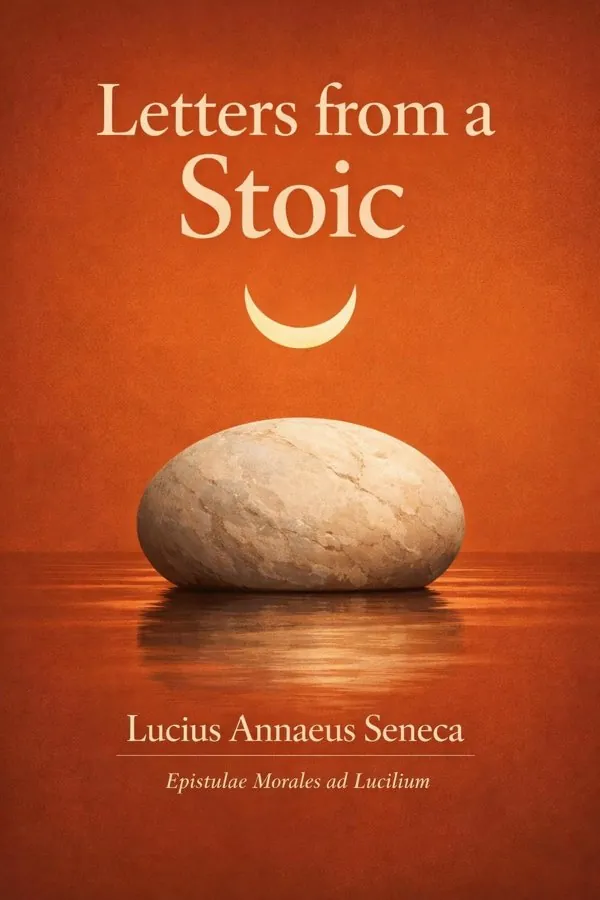
Letters from a Stoic: Epistulae Morales ad Lucilium
In-Depth Analysis
Marcus Aurelius’s Meditations and Seneca’s Letters from a Stoic represent two pillars of Roman Stoicism, yet they differ profoundly in form, intention, and practical application. Meditations, composed as a private journal during Aurelius's military campaigns and reign, is a product of self-examination. Its fragmented structure reflects the emperor’s inner dialogue—an ongoing effort to align himself with reason and universal nature. In contrast, Seneca’s Letters are dialogic and public in intent, crafted as moral epistles to Lucilius but clearly addressed to a wider audience of Roman citizens grappling with the anxieties of daily life.
Aurelius’s methodology in Meditations is self-directed, using aphorisms and terse reminders—"You have power over your mind—not outside events. Realize this, and you will find strength." The work is replete with exhortations to endure adversity, accept fate (Amor Fati), and act with integrity regardless of external opinion. His reflections on mortality—"Do not act as if you were going to live ten thousand years"—are not just philosophical musings but practical reminders to seize the present and live purposefully. The intention is not to teach, but to reinforce his own commitment to Stoic discipline amid the pressures of imperial life.
Seneca, on the other hand, approaches philosophy as a generous dialogue. His letters, such as Letter I (“On Saving Time”), urge Lucilius to guard his hours jealously, arguing that “It is not that we have a short time to live, but that we waste a lot of it.” Seneca’s discussions are more structured, often beginning with a concrete issue—fear of death, the pursuit of wealth, the value of friendship—which he then unpacks through philosophical reasoning, anecdotes, and practical maxims. He advocates for virtue as the highest good, not just as an internal state but as the foundation for social relations and public life.
Philosophically, both books are grounded in core Stoic doctrines: the dichotomy of control, the primacy of virtue, and the cultivation of tranquility. However, Aurelius’s focus is on harmonizing oneself with the rational cosmos—what he terms the Logos—while Seneca is more concerned with ethical conduct in a complex, often corrupt society. Where Aurelius writes, “Waste no more time arguing what a good man should be. Be one,” Seneca demonstrates how to embody virtue: in one letter, he discusses how to face insults without anger, offering strategies for emotional mastery.
The practical implications of each work diverge. Meditations is best suited as a tool for self-examination, inviting readers to apply its lessons through reflection and adaptation. Its advice is implicit, requiring readers to extract guidance from Aurelius’s struggles with pride, grief, and duty. Letters from a Stoic, by contrast, is an explicit manual for living. Seneca provides actionable strategies for managing time, cultivating friendships, and achieving peace of mind. For example, in his letter on anger, he prescribes specific exercises for tempering one’s emotional reactions.
In terms of accessibility, Seneca’s letters are more approachable, with their narrative flow and relatable scenarios. Aurelius’s Meditations, while shorter and more succinct, can be opaque, with its personal allusions and elliptical style. Yet this very quality imbues it with a timeless, universal resonance, allowing each reader to find their own meaning within its pages.
Ultimately, Meditations and Letters from a Stoic complement one another: the former offers the internal scaffolding for Stoic resilience, while the latter provides the practical tools for negotiating life’s challenges. Both remain enduring guides for readers seeking wisdom, self-mastery, and tranquility in an unpredictable world.
Side-by-Side Comparison
| Aspect | Meditations | Letters from a Stoic: Epistulae Morales ad Lucilium |
|---|---|---|
| Core Philosophy | Meditations is a deeply personal reflection on Stoic principles, emphasizing acceptance of fate, rationality, and aligning oneself with the universe’s order. | Letters from a Stoic focuses on the practical application of Stoic ethics, centering on virtue, mastery over passions, and the pursuit of tranquility in everyday life. |
| Writing Style | Aurelius’s writing is introspective, terse, and often aphoristic, with a tone that feels private and meditative. | Seneca’s letters are conversational, didactic, and expansive, blending philosophical instruction with personal advice to Lucilius. |
| Practical Application | Meditations offers spiritual exercises and maxims for self-discipline and resilience, but its guidance is implicit, aimed at self-reflection. | Letters from a Stoic provides explicit, actionable advice for daily living, including time management, emotional control, and ethical dilemmas. |
| Target Audience | Ideal for readers seeking self-mastery and philosophical introspection, particularly those interested in leadership or personal development. | Well-suited for anyone looking for moral guidance in everyday situations, especially those new to Stoicism seeking applied wisdom. |
| Emotional Impact | Meditations resonates with a quiet stoic melancholy, inviting readers to confront mortality, impermanence, and the limits of human power. | Letters from a Stoic is warmer and more reassuring, offering emotional support and encouragement alongside philosophical counsel. |
| Actionability | Actions are suggested through personal example rather than direct instruction, requiring readers to interpret and apply lessons themselves. | Seneca provides step-by-step suggestions for self-improvement and living virtuously, making the advice immediately actionable. |
| Depth of Analysis | Aurelius’s reflections are profound but often elliptical, exploring Stoic doctrine through fragments and personal observations. | Seneca delves deeply into ethical arguments, dissecting Stoic concepts with clarity and supporting them with anecdotes and analogies. |
| Readability | The meditative, sometimes repetitive style can be challenging, but the brevity of entries aids accessibility. | Seneca’s prose is engaging and explanatory, making complex ideas accessible through relatable examples and rhetorical questions. |
| Long-term Value | Meditations endures as a timeless manual for self-mastery and resilience, valued for its universal insights into the human condition. | Letters from a Stoic remains a foundational text for practical philosophy, continually relevant for its ethical guidance and psychological insight. |
Key Differences
Form and Structure
Meditations is a series of personal journal entries, often fragmented and aphoristic, while Letters from a Stoic is an organized collection of letters, each addressing specific topics in detail.
Intended Audience
Aurelius wrote Meditations solely for himself, resulting in a private, introspective tone. Seneca’s letters, although addressed to Lucilius, are intended for a public audience and offer didactic instruction.
Philosophical Emphasis
Meditations emphasizes inner harmony, acceptance of fate, and aligning with the rational universe. Letters from a Stoic prioritizes ethical conduct, virtue, and practical strategies for mastering passions.
Practicality and Actionability
Seneca gives direct, actionable advice for daily living, such as guarding one’s time or managing anger, while Aurelius offers implicit guidance through personal example and philosophical reflection.
Style and Accessibility
Seneca’s prose is clear, engaging, and explanatory, making Stoicism accessible to a broad audience. Aurelius’s style is meditative and sometimes obscure, requiring more effort from the reader.
Emotional Tone
Meditations carries a somber, solitary tone, focusing on self-discipline in the face of adversity. Letters from a Stoic is warmer and more encouraging, reflecting the supportive nature of epistolary advice.
Focus on Social Relationships
Seneca devotes significant attention to social bonds and friendship, while Aurelius is more concerned with the individual’s relationship to themselves and the universe.
Who Should Read Which?
The Busy Professional
→ Letters from a Stoic: Epistulae Morales ad Lucilium
Seneca’s letters address time management, emotional balance, and ethical dilemmas directly relevant to modern professional life. His practical advice and accessible style make it easy to digest and apply in a hectic schedule.
The Philosophical Seeker
→ Meditations
Meditations offers profound, personal reflections on virtue, fate, and mortality, making it ideal for readers searching for existential insight and deeper self-understanding. Aurelius’s introspective style invites contemplation and personal growth.
The Ethical Learner
→ Letters from a Stoic: Epistulae Morales ad Lucilium
For those interested in developing moral character and navigating social relationships, Seneca’s focus on virtue, friendship, and practical ethics provides an invaluable guide for living a principled life.
Which Should You Read First?
For most readers, especially those new to Stoicism or seeking immediate practical benefit, it is advisable to begin with Letters from a Stoic. Seneca’s approachable prose, clear explanations, and focus on everyday challenges provide a strong foundation in Stoic thought and its real-world application. This makes it ideal for lay readers, students, or anyone looking to quickly implement Stoic practices in their lives. Once comfortable with the basics, readers should turn to Meditations for a deeper, more introspective understanding of Stoicism. Aurelius’s personal reflections enrich the philosophical framework established by Seneca, offering profound insights into leadership, mortality, and self-mastery. For those already familiar with Stoic principles or seeking inspiration for personal resilience, Meditations may be read first. Ultimately, reading both in sequence ensures a holistic appreciation—Seneca provides the tools, Aurelius the enduring inspiration.
Want the full summary?
Get instant access to this book summary and 100K+ more with Fizz Moment.
Get Free SummaryAvailable on App Store • Free to download
Frequently Asked Questions
Is Meditations better than Letters from a Stoic for beginners to Stoicism?
Letters from a Stoic is generally more accessible for beginners, thanks to Seneca's clear explanations, practical examples, and direct advice. While Meditations is profound, its personal and elliptical style may pose challenges for newcomers who are not yet familiar with Stoic terminology or thought. Beginners may find Seneca's narrative approach and relatable scenarios easier to understand and apply.
Which book provides more practical everyday advice: Meditations or Letters from a Stoic?
Letters from a Stoic provides more explicit, practical advice for everyday situations, including time management, emotional regulation, and ethical dilemmas. Seneca’s letters frequently address common human problems and offer step-by-step guidance, whereas Meditations tends to present philosophical reflections and personal reminders that require interpretation.
How does the emotional tone differ between Meditations and Letters from a Stoic?
Meditations is introspective and often tinged with melancholy, as Marcus Aurelius grapples with mortality, the burdens of leadership, and personal shortcomings. Letters from a Stoic, by contrast, is more encouraging and supportive, with Seneca providing reassurances and emotional guidance to his correspondent, fostering a sense of companionship and optimism.
Are both Meditations and Letters from a Stoic useful for modern readers?
Absolutely. Both books offer timeless guidance on resilience, virtue, and self-mastery, though they do so in different ways. Meditations appeals to those seeking personal reflection and philosophical depth, while Letters from a Stoic is valued for its practical relevance and psychological insight, making both highly useful for contemporary life.
Does one book focus more on social relationships than the other?
Yes. Letters from a Stoic devotes significant attention to friendship, social obligations, and ethical interaction, with several letters exploring the Stoic view of interpersonal bonds. Meditations, while not devoid of social commentary, is primarily concerned with the individual’s internal state and relationship to the cosmos rather than detailed guidance on social affairs.
Which book is better for someone seeking advice on leadership and personal discipline?
Meditations is especially relevant for those in positions of leadership, as Marcus Aurelius reflects continually on how to govern oneself and others with justice, humility, and integrity. His struggles as emperor offer powerful lessons in self-discipline, resilience, and ethical responsibility, making Meditations invaluable for leaders.
The Verdict
Both Meditations and Letters from a Stoic are essential components of the Stoic canon, but they cater to different needs and reading styles. Meditations is ideal for readers seeking a profound, introspective journey into the heart of Stoicism, delivered through the candid reflections of a Roman emperor confronting the weight of mortality, duty, and virtue. Its aphoristic, sometimes cryptic style rewards careful study and repeated reading, making it a lifelong companion for those interested in self-mastery and contemplative philosophy. Letters from a Stoic, on the other hand, is the definitive guide for readers who want Stoic philosophy demystified and made practical. Seneca’s conversational tone, relatable scenarios, and actionable advice make it the perfect entry point for beginners and a valuable reference for anyone facing the ethical or emotional challenges of daily life. His focus on time management, emotional regulation, and friendship ensures broad contemporary relevance. In summary, those seeking personal transformation through philosophical self-examination should prioritize Meditations, while those desiring concrete guidance for living well should begin with Letters from a Stoic. For a well-rounded understanding, both should be read—Seneca for the roadmap, Aurelius for the inspiration.
Related Comparisons



Want to read both books?
Get AI-powered summaries of both Meditations and Letters from a Stoic: Epistulae Morales ad Lucilium in just 20 minutes total.