
Why Does He Do That vs Attached: Which Should You Read?
A detailed comparison of Why Does He Do That by Lundy Bancroft and Attached by Amir Levine. Discover the key differences, strengths, and which book is right for you.
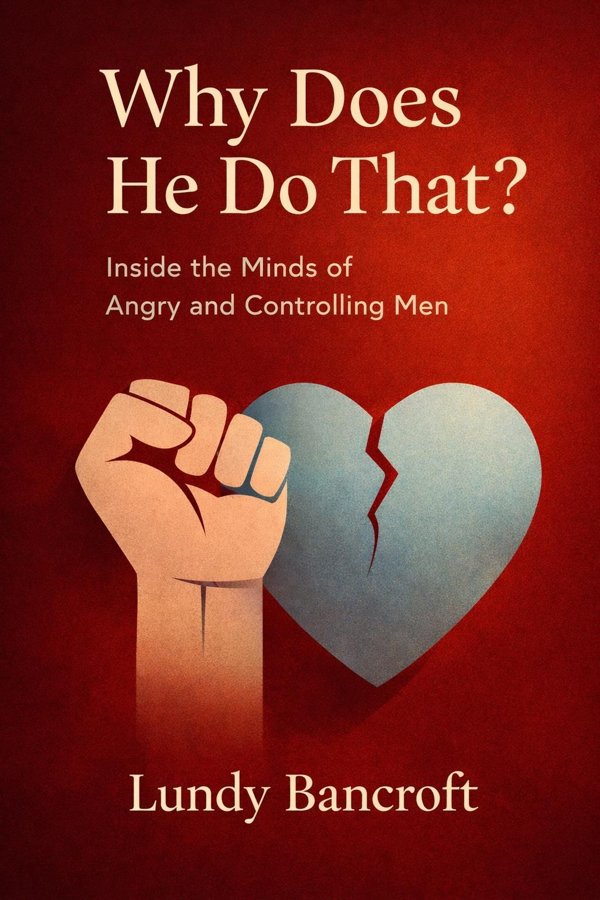

Why Does He Do That
Attached
In-Depth Analysis
Why Does He Do That by Lundy Bancroft and Attached by Amir Levine and Rachel S. F. Heller are both relationship books in the broad sense, but they operate on fundamentally different moral and psychological terrain. Reading them side by side is useful precisely because they answer different questions. Bancroft asks: what explains persistent cruelty, control, and intimidation in intimate relationships? Levine and Heller ask: why do some people pursue closeness while others withdraw, and how do those tendencies shape romantic stability? Confusing these questions can lead readers to use the wrong framework for the wrong problem.
The most important difference is that Bancroft centers power, while Attached centers regulation and connection. In Why Does He Do That, abuse is not presented as an attachment mismatch, a communication glitch, or a byproduct of emotional clumsiness. Bancroft insists that abusive behavior is organized by entitlement: the abuser believes his needs, feelings, interpretations, and freedoms should take priority. This is why the book spends so much effort dismantling common myths—that he is abusive because he had a bad childhood, because he loses control, because he drinks, because the couple is equally toxic, or because he is actually deeply insecure. Bancroft does not deny that such factors may exist; he argues they do not explain the pattern’s core. The core is permission-giving beliefs around domination.
Attached, by contrast, is not trying to identify abuse. It explains adult love through attachment styles: secure, anxious, and avoidant. A person with anxious attachment may hyper-focus on texting gaps, ambiguous tone, or small signals of withdrawal; an avoidant person may feel engulfed by demands for closeness and respond by distancing, intellectualizing, or minimizing need. Levine and Heller’s key insight is interactive: distress often comes not only from your own style, but from the pairing. An anxious-avoidant match can become self-reinforcing, with one partner protesting distance and the other further withdrawing. That framework can be life-changing for readers who keep mistaking activation for chemistry.
This leads to a crucial comparative insight: Attached is strongest in explaining painful inconsistency when no coercive abuse is present, while Why Does He Do That is strongest in distinguishing ordinary relational insecurity from a true pattern of domination. A reader in a confusing relationship may be tempted to interpret controlling behavior through attachment language—"he withdraws because he is avoidant," or "he gets jealous because he fears abandonment." Bancroft’s book is a corrective to that move. If a partner monitors your actions, punishes autonomy, rewrites reality, or alternates charm with intimidation, attachment theory may describe some emotional surface features, but it does not adequately capture the ethical structure of the relationship. Bancroft’s framework does.
Their writing styles reinforce these differences. Bancroft writes as someone trying to interrupt danger and delusion. His voice is urgent because many of his readers are trapped in cycles of minimization: the abusive partner apologizes, behaves tenderly, blames stress, and then repeats the pattern. The book’s discussions of different types of abusive men are especially useful because they undermine the stereotype that abusers are always visibly explosive. Some are openly intimidating; others are self-pitying, manipulative, or image-conscious. That taxonomy helps readers identify abuse even when it does not fit a single dramatic template.
Attached is more pedagogical and systematizing. Its categories are memorable and easy to apply: secure people can express needs directly; anxious people may use protest behavior; avoidant people may use deactivating strategies to downplay closeness. This makes the book unusually accessible. A reader can often map current or past dating experiences onto the framework immediately. For example, someone who felt addicted to a partner’s intermittent attention may realize that uncertainty was activating an anxious system rather than signaling profound compatibility. That is one of the book’s biggest gifts: it helps readers stop romanticizing destabilization.
In terms of evidence, Attached appears more conventionally research-based because it is built around a recognizable academic tradition: attachment theory from Bowlby onward and its application to adult romantic bonds. Why Does He Do That relies more visibly on practice wisdom from Bancroft’s years counseling abusive men and survivors. That means the books feel authoritative in different ways. Attached offers a broad psychological model with empirical roots; Bancroft offers pattern recognition honed in real-world intervention. For many readers, especially survivors, Bancroft’s experiential specificity will feel more immediately piercing than abstract research summaries.
The emotional effect is also markedly different. Why Does He Do That often produces a painful clarity. Readers may recognize why apologies never led to durable change, why arguments seemed unwinnable, or why kindness coexisted with fear. It is validating, but not soothing. Attached is more reassuring. It tells readers that their relationship panic or distancing impulse is understandable and, importantly, modifiable. Its message is hopeful: attachment style matters, but security can be developed.
If there is a limitation in comparing them, it is this: Attached can be overextended into contexts it was not designed for, and Why Does He Do That can be wrongly treated as a general relationship manual when it is specifically about abuse. The wisest reading keeps the boundary clear. Use Attached to understand reciprocity, compatibility, and your own nervous system in love. Use Why Does He Do That when the issue is coercion, chronic disrespect, fear, manipulation, or the erosion of your autonomy.
Taken together, the books form a powerful pair. Attached teaches what healthier relational functioning looks like and why some pairings destabilize us. Why Does He Do That teaches when the problem is not misattunement but abuse. One explains insecure bonds; the other unmasks domination. The distinction is not academic—it can change what readers tolerate, how they interpret red flags, and whether they seek repair or protection.
Side-by-Side Comparison
| Aspect | Why Does He Do That | Attached |
|---|---|---|
| Core Philosophy | Why Does He Do That argues that abuse is fundamentally about entitlement, coercive control, and a value system that grants the abuser permission to dominate. Bancroft rejects common explanations like stress, anger, or poor communication as primary causes. | Attached argues that many romantic struggles arise from attachment patterns—secure, anxious, and avoidant—that shape how people seek closeness, respond to distance, and interpret threat. Its core philosophy is not moral indictment but relational pattern recognition. |
| Writing Style | Bancroft writes in a direct, urgent, often corrective voice meant to cut through confusion and self-blame. The style is vivid and confrontational in places because the book is trying to name harm clearly and protect readers from minimization. | Levine and Heller use a more streamlined, explanatory, popular-psychology style that translates research into accessible dating and relationship language. The tone is calmer, more diagnostic, and often reassuring rather than alarm-raising. |
| Practical Application | The book is highly practical for identifying warning signs, decoding manipulation, evaluating promises to change, and understanding why abuse escalates over time. Its usefulness is especially strong in high-stakes situations involving intimidation, gaslighting, or fear. | Attached is practical in helping readers identify their attachment style, understand protest behaviors, recognize avoidant-anxious cycles, and choose more compatible partners. Its applications are strongest in dating, conflict patterns, and emotional regulation within non-abusive relationships. |
| Target Audience | Why Does He Do That is aimed primarily at people in abusive or controlling relationships, survivors trying to make sense of what happened, and helpers such as therapists, advocates, or friends. It is also useful for readers who suspect that what they are experiencing is more than ordinary conflict. | Attached targets a broader audience: daters, couples, and self-development readers who want to understand why relationships feel secure or destabilizing. It is especially approachable for people who are not in danger but feel chronically confused by intimacy dynamics. |
| Scientific Rigor | Bancroft draws heavily on years of clinical experience working with abusive men and survivors, making the book rich in observational authority. However, its power comes more from accumulated practice-based insight than from systematic presentation of empirical studies. | Attached is explicitly framed around attachment theory and presents itself as a research-based synthesis of findings from developmental and adult relationship psychology. While simplified for general readers, it leans more visibly on an established academic framework. |
| Emotional Impact | This book often lands with the force of recognition: readers feel seen, validated, and sometimes devastated as manipulative behavior is named with precision. It can be emotionally intense because it challenges cherished hopes that kindness, patience, or better communication will stop abuse. | Attached tends to produce relief rather than shock, helping readers reinterpret dating anxiety or distancing behavior as patterned rather than uniquely personal. Its emotional impact is gentler, often replacing shame with language and structure. |
| Actionability | Bancroft offers actionable guidance around safety, skepticism toward sudden reform, and assessing whether change is genuine or performative. The actions are often protective: set firmer boundaries, document patterns, seek support, and recognize dangerous escalation. | Levine and Heller offer clear behavioral advice such as expressing needs directly, preferring secure partners, noticing deactivating strategies, and not romanticizing inconsistency. The actions are more developmental and choice-oriented than crisis-oriented. |
| Depth of Analysis | Why Does He Do That goes deep on the internal logic of abuse, the myths that conceal it, and the multiple presentation styles of abusive men. It is especially strong on showing how apparently contradictory behavior—charm one day, cruelty the next—can serve a coherent control strategy. | Attached is deep in a different way: it illuminates reciprocal patterns between partners and explains how one person’s anxiety can amplify another’s avoidance. Its analysis is strongest at the level of attachment systems, but it is less granular about power and coercion. |
| Readability | Despite heavy subject matter, Bancroft is readable because he uses concrete examples and plain language. Still, the seriousness of the topic and the repetitive exposure to abusive dynamics can make it a slower, more emotionally demanding read. | Attached is highly readable and often feels like a fast, clarifying self-help book. Its categories and examples are easy to grasp, which makes it especially beginner-friendly. |
| Long-term Value | The book has lasting value as a reference text for recognizing coercive control, revisiting patterns after separation, and avoiding future entanglements with abusive partners. Many readers return to it because its framework continues to sharpen judgment over time. | Attached has strong long-term value for dating decisions, relationship self-awareness, and learning what secure functioning looks like. Readers often revisit it during new relationships because attachment patterns reappear in different forms across life stages. |
Key Differences
Power and Entitlement vs Attachment Needs
Bancroft frames harmful behavior through power, entitlement, and control. Levine and Heller frame relationship difficulty through needs for closeness and strategies for managing attachment threat; for example, anxious texting spirals or avoidant distancing are not the same as coercive domination.
Abuse Detection vs Relationship Pattern Mapping
Why Does He Do That is built to help readers identify abuse, including less obvious forms like emotional manipulation, self-pity tactics, or image management. Attached is built to help readers map patterns such as anxious-avoidant cycles and understand why a seemingly promising relationship keeps destabilizing.
Moral Clarity vs Psychological Neutrality
Bancroft is explicitly judgmental about abuse in the best sense: he names cruelty and refuses excuses that protect the perpetrator. Attached is more neutral and descriptive, often treating behavior as adaptation rather than wrongdoing unless readers themselves identify the harm.
Crisis Utility vs Developmental Utility
In high-stakes situations involving fear, gaslighting, or escalating control, Bancroft offers more relevant guidance because the problem is safety and reality-testing. Attached is more useful for developmental growth—choosing secure partners, understanding triggers, and communicating needs more effectively.
Case-Based Specificity vs Theory-Led Simplicity
Why Does He Do That gains force from concrete patterns Bancroft observed in abusive men and survivors, including how apologies, charm, and rage can coexist. Attached gains clarity from its simple theoretical architecture of secure, anxious, and avoidant styles, which makes it easy to remember and apply.
Interpretation of Inconsistency
Bancroft often interprets inconsistency as part of a control strategy: kindness can function to reset the cycle and preserve access. Attached often interprets inconsistency as attachment activation or deactivation—for example, one partner seeking reassurance while the other withdraws to regulate discomfort.
Primary Reader Outcome
The likely outcome of reading Bancroft is sharper discernment about mistreatment and lower tolerance for rationalizing harmful behavior. The likely outcome of reading Attached is greater self-awareness, better partner selection, and more confidence in pursuing secure, stable intimacy.
Who Should Read Which?
A reader who feels confused, frightened, or chronically diminished in a relationship
→ Why Does He Do That
This reader needs clarity about control, entitlement, and abuse rather than a general framework for intimacy styles. Bancroft is especially strong at naming patterns that victims often excuse—apologies without change, selective kindness, blame-shifting, and escalating control.
A dater who repeatedly falls for emotionally unavailable partners
→ Attached
This reader will benefit from understanding anxious and avoidant dynamics, protest behavior, and the difference between instability and real compatibility. Levine and Heller give practical tools for recognizing secure partners and not confusing intensity with fit.
A therapist, coach, or thoughtful helper supporting people with relationship problems
→ Why Does He Do That
Although both are useful, Bancroft is the safer priority because helpers often accidentally normalize abuse as communication trouble or mutual dysfunction. Once coercive patterns are ruled out, Attached becomes an excellent secondary tool for working with ordinary attachment-based conflict.
Which Should You Read First?
Read Why Does He Do That first if there is any chance the relationship involves fear, coercion, intimidation, gaslighting, sexual pressure, financial control, or a persistent sense that your reality is being rewritten. Bancroft helps establish a crucial boundary: not every painful relationship is an attachment problem, and mislabeling abuse as insecurity can keep you stuck. His framework gives you diagnostic clarity about safety and power before you start doing relational self-analysis. Read Attached first if your main concern is dating confusion, recurring attraction to emotionally unavailable partners, texting anxiety, or the feeling that some relationships activate intense neediness while others feel calm. It gives you a practical vocabulary quickly and can improve decision-making right away. For many readers, the best sequence is Bancroft first, then Attached. That order prevents over-psychologizing abuse and then helps you rebuild a healthier relational template afterward. If you already know the relationship is not abusive, reversing the order is perfectly reasonable because Attached is easier and more general.
Want the full summary?
Get instant access to this book summary and 100K+ more with Fizz Moment.
Get Free SummaryAvailable on App Store • Free to download
Frequently Asked Questions
Is Why Does He Do That better than Attached for beginners?
It depends on what kind of beginner you mean. If you are new to relationship psychology in general and want an easy, structured introduction to why closeness and distance create conflict, Attached is usually more beginner-friendly. Its secure/anxious/avoidant model is simple to grasp and immediately applicable. But if you are asking because you suspect manipulation, coercive control, intimidation, or repeated emotional cruelty, Why Does He Do That is the more important beginner book. Bancroft is clearer about warning signs that many readers wrongly normalize. So for general dating insight, start with Attached; for possible abuse, start with Bancroft immediately.
Should I read Attached or Why Does He Do That if my partner is hot and cold?
“Hot and cold” can mean very different things, which is why the distinction between these books matters. Attached is helpful if your partner seems inconsistent because of closeness fears, distancing habits, or an avoidant-anxious dynamic—especially if the relationship lacks intimidation and both people can reflect on behavior. Why Does He Do That is the better lens if “hot and cold” includes punishment, contempt, threats, surveillance, gaslighting, or sudden reversals used to keep you off balance. In practice, many readers start with Attached and then realize they need Bancroft because the problem is not merely inconsistency but control.
Is Attached too simplistic compared with Why Does He Do That?
Attached is simpler, but not necessarily too simplistic for its intended purpose. Its strength is giving readers a clear map of adult attachment patterns without overwhelming them with theory. That said, compared with Why Does He Do That, it is less nuanced about power, coercion, moral responsibility, and the strategic use of charm or remorse. Bancroft’s analysis is sharper when behavior is harmful in a patterned, controlling way. So the better comparison is not “simple versus deep” in absolute terms, but “different levels of analysis for different problems.” Attached explains relational activation; Bancroft explains abusive worldview and behavior.
Can attachment theory explain abusive behavior, or is Why Does He Do That more accurate?
Attachment theory may describe some features of an abusive person’s emotional life, but Why Does He Do That is generally more accurate for explaining abuse itself. Bancroft’s central claim is that abuse persists because of entitlement and values, not because someone simply feels insecure or dysregulated. An abuser may indeed fear abandonment or closeness, but those feelings do not adequately explain why he chooses control, intimidation, double standards, or reality distortion. Attachment language can become dangerous if it makes victims over-empathize and under-protect themselves. Use attachment theory to understand insecurity; use Bancroft to understand coercive patterns.
Which book is more useful after a breakup: Attached or Why Does He Do That?
After a breakup, the better book depends on what you are trying to recover from. Attached is excellent if you want to understand why you were drawn to certain dynamics, why inconsistency felt addictive, or how to choose secure partners in the future. It can help rebuild dating judgment. Why Does He Do That is more useful if you are trying to make sense of manipulation, cycles of apology and relapse, fear, or the gradual erosion of your confidence. In that case, Bancroft can help you stop rewriting the past in overly charitable terms. Many readers benefit from both, but in different stages of healing.
Is Why Does He Do That or Attached better for understanding toxic relationships?
The phrase “toxic relationship” is broad, which is exactly why these books should not be treated as interchangeable. Attached is better for relationships that are painful because of unmet needs, incompatibility, anxious pursuit, avoidant withdrawal, or poor fit between attachment styles. Why Does He Do That is better when “toxic” includes domination, fear, degradation, manipulation, or coercive control. Bancroft helps readers name abuse that culture often hides behind vague labels. A useful rule is this: if the relationship is confusing, read Attached; if it is frightening, diminishing, or controlling, read Bancroft first.
The Verdict
These are both valuable books, but they are not substitutes for one another. Why Does He Do That is the stronger, more urgent book when the relationship includes coercion, manipulation, intimidation, chronic disrespect, or the feeling that ordinary rules apply only to you and not to your partner. Bancroft’s great contribution is moral clarity: he shows that abuse is not just “bad conflict” or insecure attachment gone sideways, but a patterned expression of entitlement and control. For readers in danger of minimizing what is happening, that clarity can be life-changing. Attached is the better choice for readers trying to understand recurring dating dynamics, emotional triggers, and why some relationships feel stable while others feel like constant uncertainty. Its attachment framework is highly accessible and often immediately useful. It helps readers stop mistaking anxiety for passion and teaches them to value secure functioning instead of intermittent reinforcement. If you want one overall recommendation, choose based on stakes. For safety, self-trust, and decoding abusive behavior, Why Does He Do That is the more essential book. For self-knowledge in dating and healthier partner selection, Attached is the more versatile starter. Ideally, read both—but do not let Attached’s language of styles and needs blur the harder truth Bancroft insists on: some relationships are not merely insecure; they are abusive, and that requires a different response.
Related Comparisons


Want to read both books?
Get AI-powered summaries of both Why Does He Do That and Attached in just 20 minutes total.