
Atomic Habits vs Deep Work: Which Should You Read?
A detailed comparison of Atomic Habits by James Clear and Deep Work by Cal Newport. Discover the key differences, strengths, and which book is right for you.
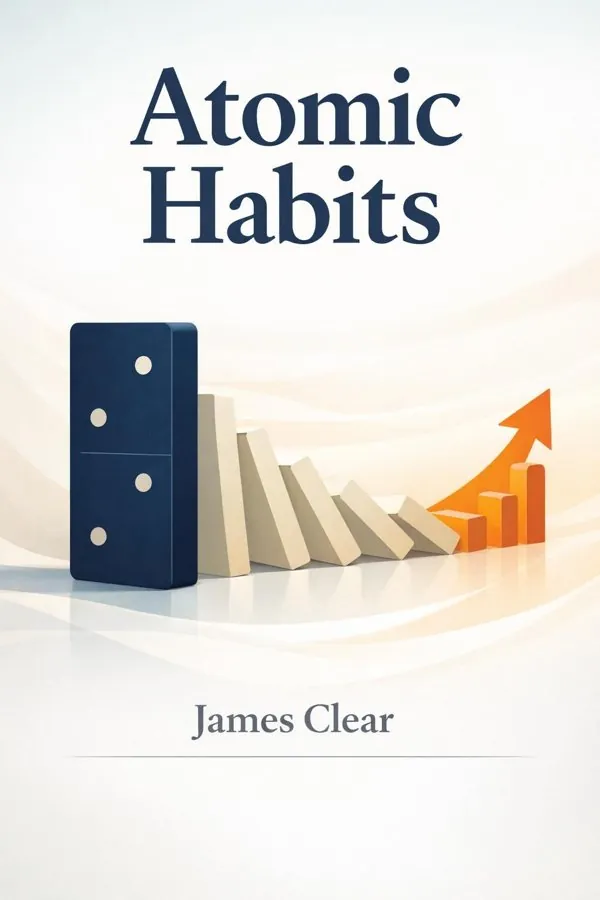
Atomic Habits
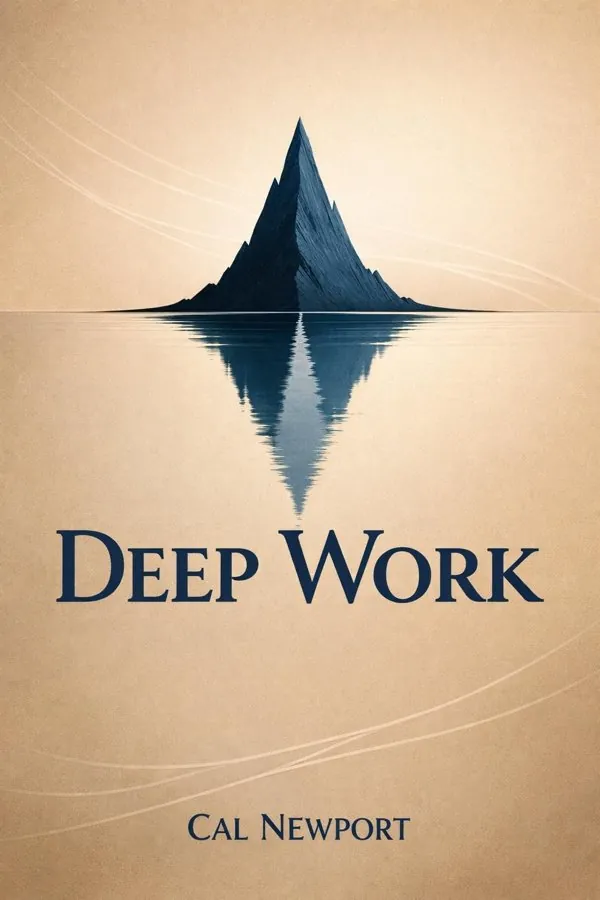
Deep Work
In-Depth Analysis
Atomic Habits by James Clear and Deep Work by Cal Newport are foundational texts in the modern self-improvement and productivity genres, yet they diverge significantly in their philosophical underpinnings, methodologies, and practical implications.
Atomic Habits is rooted in behavioral psychology, with Clear arguing that the most effective way to change one’s life is to focus on the smallest units of behavior: habits. Clear introduces the concept of the compounding effect, whereby tiny changes, such as reading one page a day or taking a five-minute walk, snowball into profound transformations over time. He supports this with the Four-Stage Model of Habit Formation—cue, craving, response, and reward—and proposes the Four Laws of Behavior Change: Make it obvious, attractive, easy, and satisfying. These laws are not just theoretical; Clear illustrates each with vivid anecdotes, such as the story of British Cycling’s marginal gains, and provides templates like habit stacking (linking a new habit to an existing one) or environment design (altering physical surroundings to promote good behaviors).
Deep Work, meanwhile, situates itself within the context of the digital age’s relentless distractions. Newport’s thesis is that the ability to focus without distraction on cognitively demanding tasks is becoming increasingly rare and valuable. He cites research from cognitive science—such as the work of Anders Ericsson on deliberate practice—to argue that deep work leads to skill acquisition and high-value output, both critical for knowledge workers. Newport distinguishes between ‘deep work’ and ‘shallow work,’ advocating for minimizing the latter through strategies like scheduling ‘deep work blocks,’ embracing boredom to build concentration muscle, and even quitting social media. His methodology is less about micro-level interventions and more about lifestyle and mindset shifts, such as the radical step of isolating oneself from digital noise for hours each day.
The philosophical contrast is stark: Clear believes that identity is shaped by repeated action—"every action you take is a vote for the type of person you wish to become." By contrast, Newport frames deep work as a matter of economic and existential necessity, contending that those who master focus will thrive in a world of automation and constant connectivity. Where Clear’s method is bottom-up (change your habits, change your identity), Newport’s is top-down (change your environment and schedule to prioritize depth).
Practically, Atomic Habits excels in granular actionability. Clear’s advice—such as writing down cues, measuring habit streaks, or designing friction into bad habits—can be implemented immediately, regardless of one’s profession. Deep Work, while actionable, demands more radical shifts, such as negotiating with employers for uninterrupted blocks of time or restructuring one’s relationship with technology. Newport’s techniques, like the ‘shutdown ritual’ to end the workday or the suggestion to eschew email, are more challenging to implement in collaborative, fast-paced environments.
In terms of evidence, both authors reference scientific research, but their use differs. Clear distills findings from neuroscience and psychology into digestible, practical tools—for example, explaining dopamine’s role in habit loops—whereas Newport delves into attention economics and the cognitive cost of context-switching, citing studies on task switching and the diminishing returns of multitasking.
The emotional tone also differs. Atomic Habits is fundamentally optimistic, encouraging readers to see themselves as capable of change through small, manageable steps. Deep Work carries a more urgent, almost elegiac tone, warning of the cultural and personal costs of digital distraction while promising deep satisfaction for those who reclaim their focus.
Long-term, the books’ value depends on the reader’s context. Atomic Habits offers a lifelong system for behavioral change, applicable to health, relationships, and work. Deep Work is especially potent for knowledge workers, creatives, and anyone whose professional value is tied to the production of high-quality, original work. Both books, however, are likely to be revisited as readers’ goals evolve, with Atomic Habits serving as a daily manual and Deep Work as an aspirational manifesto for reclaiming meaningful productivity.
Side-by-Side Comparison
| Aspect | Atomic Habits | Deep Work |
|---|---|---|
| Core Philosophy | Atomic Habits posits that small, incremental changes in behavior can compound into significant long-term results, emphasizing the power of tiny routines over time. | Deep Work is centered on the value of sustained, focused effort in a world full of distractions, arguing that the ability to concentrate deeply is a rare and valuable skill that leads to professional excellence. |
| Writing Style | Clear employs a conversational, story-driven approach, using anecdotes and clear, actionable examples that make complex psychological principles accessible. | Newport writes in a more analytical, persuasive tone, blending research, case studies, and a structured argument to convince the reader of the necessity of deep work. |
| Practical Application | Atomic Habits offers a toolkit of specific tactics, including habit stacking and environment design, that readers can implement immediately to form or break habits. | Deep Work presents actionable strategies such as scheduling deep work blocks and quitting social media, but its recommendations often require broader lifestyle changes and organizational buy-in. |
| Target Audience | Geared toward anyone seeking personal improvement, Atomic Habits resonates with readers aiming to make everyday changes, regardless of profession or background. | Deep Work primarily targets knowledge workers, creatives, and professionals whose success relies on cognitive output and who face constant digital distractions. |
| Scientific Rigor | Clear references psychology and neuroscience, but often simplifies findings for lay readers, prioritizing practical insights over academic depth. | Newport draws on cognitive science and productivity research, providing more detailed discussions of studies, but remains accessible rather than overly technical. |
| Emotional Impact | Atomic Habits motivates readers by instilling belief in the transformative power of small wins, often inspiring hope and persistence. | Deep Work evokes a sense of urgency and value, encouraging readers to reclaim focus and find deeper satisfaction in their work. |
| Actionability | Highly actionable, with step-by-step methods such as the Four Laws of Behavior Change and identity-based habit building. | Actionable but more conceptual, with broader prescriptions that require self-discipline, such as embracing boredom and working in isolation. |
| Depth of Analysis | Focuses on the mechanics of habit formation, providing a systematic framework but less exploration of broader cultural or technological trends. | Analyzes the societal decline of focus, the economics of attention, and the implications for creative industries, resulting in a wider lens. |
| Long-term Value | Atomic Habits provides a foundation for lifelong behavioral change, equipping readers with tools to continually refine habits as circumstances evolve. | Deep Work offers a blueprint for sustained professional excellence, especially relevant as digital distractions become more pervasive and the value of focus grows. |
Key Differences
Scope of Advice
Atomic Habits focuses on small, everyday behaviors and how to modify them for personal improvement across any aspect of life, from health to relationships. Deep Work addresses professional productivity in the digital age, emphasizing the cultivation of intense focus for high-value output.
Methodology
Atomic Habits employs a bottom-up approach, providing micro-level tactics like habit stacking and environment design. Deep Work uses a top-down strategy, encouraging radical lifestyle changes such as digital minimalism and the restructuring of work schedules.
Scientific Foundation
Clear distills behavioral psychology and neuroscience into practical frameworks, often simplifying concepts for immediate use. Newport delves deeper into cognitive science and attention economics, offering a more thorough, academic discussion of the mechanisms behind focus and productivity.
Emotional Tone
Atomic Habits is motivational and optimistic, emphasizing the potential for anyone to improve through small changes. Deep Work has a more urgent, reflective tone, warning about societal distraction and positioning focus as a competitive advantage.
Ease of Implementation
Atomic Habits offers low-barrier, easily actionable steps that can be adopted immediately. Deep Work’s recommendations, such as extensive periods of isolation and quitting social media, require more significant commitment and environmental control.
Target Audience
Atomic Habits serves a universal audience, including students, parents, and retirees. Deep Work is tailored to professionals and creatives whose work relies heavily on deep concentration and skill development.
Long-term Focus
Atomic Habits aims to instill lifelong habits for continuous self-improvement. Deep Work is designed to help readers achieve peak professional output and personal satisfaction in a rapidly changing, distraction-rich world.
Who Should Read Which?
The Busy Professional
→ Deep Work
Professionals who struggle to find time for meaningful, high-quality work amidst meetings, emails, and digital distractions will benefit most from Newport’s strategies for reclaiming focus and maximizing output. Deep Work addresses the unique challenges of modern workplaces and provides actionable methods for achieving professional excellence.
The Habit Builder
→ Atomic Habits
Readers aiming to develop healthier behaviors, break bad routines, or make incremental improvements in any area of life will find Atomic Habits to be an indispensable guide. Its accessible, step-by-step system is ideal for those starting their journey of self-improvement.
The Creative Entrepreneur
→ Deep Work
Entrepreneurs, writers, and artists who need extended periods of uninterrupted thinking to innovate or produce original work will resonate with Newport’s principles. Deep Work offers both the philosophical justification and practical tactics for cultivating an environment where creativity can flourish.
Which Should You Read First?
For most readers, starting with Atomic Habits is advisable. The book provides a clear, approachable framework for establishing or modifying daily routines, which serves as the groundwork for any further productivity enhancements. By mastering small changes and building a strong foundation of positive behaviors, you develop the self-discipline and consistency necessary to benefit fully from more demanding strategies. Once you have established effective habits, Deep Work becomes more accessible and practical; you’ll be better equipped to carve out focus blocks, manage digital distractions, and handle the demands of complex, cognitively intensive work. However, if you’re a seasoned professional already comfortable with habit formation but struggling specifically with focus and the challenges of a hyper-connected workplace, you might choose to read Deep Work first. Ultimately, the choice depends on your current challenges: begin with Atomic Habits for foundational change, then progress to Deep Work to amplify your impact.
Want the full summary?
Get instant access to this book summary and 100K+ more with Fizz Moment.
Get Free SummaryAvailable on App Store • Free to download
Frequently Asked Questions
Is Atomic Habits better than Deep Work for beginners trying to build routines?
Atomic Habits is generally better suited for beginners seeking to establish or modify routines. James Clear provides concrete steps and a simple, systematic approach to building new habits, such as habit stacking and environment design. The book’s focus on the compounding effect of small changes makes it approachable for those who want to see immediate progress without overhauling their entire lifestyle. In contrast, Deep Work’s strategies often require a more significant commitment and are best suited to those already familiar with basic productivity techniques.
Is Deep Work more applicable for professionals than Atomic Habits?
Deep Work is particularly relevant for professionals—especially knowledge workers, writers, programmers, and creatives—whose success depends on producing high-quality, original output. Cal Newport’s framework addresses the unique challenges of maintaining focus in a digital, hyper-connected world and offers strategies for maximizing cognitive performance. While Atomic Habits is broadly applicable, Deep Work’s focus on professional excellence and productivity makes it a standout choice for those seeking a competitive edge in demanding fields.
Which book is more actionable: Atomic Habits or Deep Work?
Atomic Habits is more actionable for most readers, offering step-by-step instructions and easily implementable tactics for behavior change. Readers can immediately apply concepts like the Four Laws of Behavior Change or habit tracking. Deep Work also provides actionable strategies, but these often require more significant lifestyle shifts, such as restructuring work schedules or disconnecting from social media, making them harder to implement for those with less control over their environment.
Does Atomic Habits or Deep Work rely more on scientific research?
Both books ground their arguments in scientific research, but in different ways. Atomic Habits references behavioral psychology and neuroscience, distilling academic insights into practical frameworks. Deep Work leans more heavily on cognitive science and attention research, delving into studies on concentration, deliberate practice, and the economic value of focus. Newport’s analysis is somewhat more academic, while Clear’s is more accessible and immediately relevant.
For long-term personal growth, should I read Atomic Habits or Deep Work first?
For long-term personal growth, it often makes sense to start with Atomic Habits. Developing solid, positive routines lays the groundwork for more advanced productivity strategies. Once foundational behaviors are in place, Deep Work’s principles can help you elevate your performance and achieve greater depth in your work. This progression ensures that you have the habits and self-discipline needed to fully benefit from Newport’s more demanding recommendations.
Which book is better for overcoming digital distractions?
Deep Work is explicitly designed to help readers overcome digital distractions. Cal Newport analyzes the impact of email, social media, and constant connectivity, offering strategies to minimize shallow work and reclaim focus. While Atomic Habits can assist in building healthier digital habits, Deep Work provides a more comprehensive, systemic approach to addressing the root causes of distraction.
The Verdict
Both Atomic Habits and Deep Work offer transformative frameworks for personal and professional improvement, but their optimal audiences and use cases differ. Atomic Habits is the go-to manual for anyone looking to initiate positive behavioral change, regardless of age, profession, or experience level. Its step-by-step systems, such as the Four Laws of Behavior Change, make it uniquely accessible and effective for those seeking to build or break habits in any area of life. The book’s optimistic, pragmatic tone encourages consistency and perseverance, making it especially suitable for beginners or anyone feeling overwhelmed by the prospect of major change. Deep Work, on the other hand, is indispensable for knowledge workers, creatives, and professionals whose output depends on sustained concentration and high-level cognitive skills. Newport’s analysis of attention economics and his actionable—if sometimes drastic—recommendations address the specific challenges of the modern, distraction-laden workplace. Readers who already have a foundation of good habits will find Deep Work’s philosophy and tactics invaluable for achieving focus, mastery, and meaningful achievement. In summary, start with Atomic Habits to build the foundational routines needed for daily success. Progress to Deep Work to amplify your productivity and produce work of lasting value. Both books are highly recommended, but the right choice depends on your current needs and professional context.
Related Comparisons
Want to read both books?
Get AI-powered summaries of both Atomic Habits and Deep Work in just 20 minutes total.