
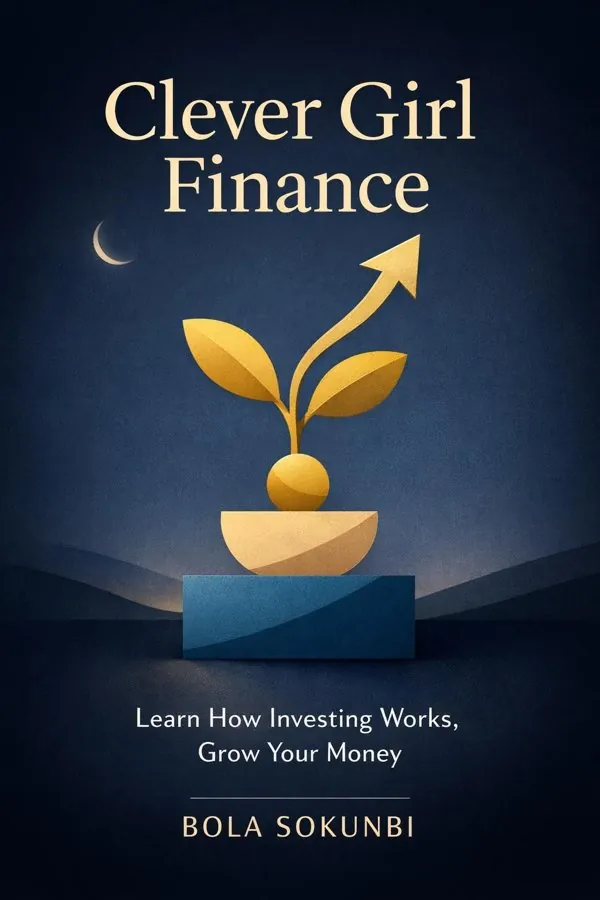
Clever Girl Finance: Learn How Investing Works, Grow Your Money: Summary & Key Insights
by Bola Sokunbi
 10 min9 chaptersAudio available
Key Takeaways from Clever Girl Finance: Learn How Investing Works, Grow Your Money
Before numbers improve, beliefs usually have to change.
Clarity is often more powerful than income.
A budget is not a punishment; it is a plan for freedom.
Debt is expensive not only because of interest, but because of what it delays.
Wealth grows faster when your financial foundation is stable.
What Is Clever Girl Finance: Learn How Investing Works, Grow Your Money About?
Clever Girl Finance: Learn How Investing Works, Grow Your Money by Bola Sokunbi is a finance book spanning 12 pages. Clever Girl Finance: Learn How Investing Works, Grow Your Money is an encouraging, practical guide to building wealth through smart, consistent investing. In this book, Bola Sokunbi breaks down the intimidating world of personal finance into clear, manageable steps, showing readers that investing is not reserved for experts, the wealthy, or people with perfect financial histories. Instead, she argues that financial confidence begins with education, self-awareness, and the willingness to start where you are. The book covers the full journey: understanding your money mindset, assessing your finances, creating a workable budget, eliminating debt, building savings, learning investment basics, increasing income, and protecting your future. What makes the book especially valuable is its focus on empowerment, particularly for women who may have been excluded from financial conversations or taught to fear investing. Sokunbi writes as a Certified Financial Education Instructor and founder of the Clever Girl Finance platform, combining professional knowledge with an accessible, judgment-free tone. The result is a motivating roadmap for anyone who wants to grow their money and make long-term financial independence feel achievable.
This FizzRead summary covers all 9 key chapters of Clever Girl Finance: Learn How Investing Works, Grow Your Money in approximately 10 minutes, distilling the most important ideas, arguments, and takeaways from Bola Sokunbi's work. Also available as an audio summary and Key Quotes Podcast.
Clever Girl Finance: Learn How Investing Works, Grow Your Money
Clever Girl Finance: Learn How Investing Works, Grow Your Money is an encouraging, practical guide to building wealth through smart, consistent investing. In this book, Bola Sokunbi breaks down the intimidating world of personal finance into clear, manageable steps, showing readers that investing is not reserved for experts, the wealthy, or people with perfect financial histories. Instead, she argues that financial confidence begins with education, self-awareness, and the willingness to start where you are. The book covers the full journey: understanding your money mindset, assessing your finances, creating a workable budget, eliminating debt, building savings, learning investment basics, increasing income, and protecting your future. What makes the book especially valuable is its focus on empowerment, particularly for women who may have been excluded from financial conversations or taught to fear investing. Sokunbi writes as a Certified Financial Education Instructor and founder of the Clever Girl Finance platform, combining professional knowledge with an accessible, judgment-free tone. The result is a motivating roadmap for anyone who wants to grow their money and make long-term financial independence feel achievable.
Who Should Read Clever Girl Finance: Learn How Investing Works, Grow Your Money?
This book is perfect for anyone interested in finance and looking to gain actionable insights in a short read. Whether you're a student, professional, or lifelong learner, the key ideas from Clever Girl Finance: Learn How Investing Works, Grow Your Money by Bola Sokunbi will help you think differently.
- ✓Readers who enjoy finance and want practical takeaways
- ✓Professionals looking to apply new ideas to their work and life
- ✓Anyone who wants the core insights of Clever Girl Finance: Learn How Investing Works, Grow Your Money in just 10 minutes
Want the full summary?
Get instant access to this book summary and 100K+ more with Fizz Moment.
Get Free SummaryAvailable on App Store • Free to download
Key Chapters
Before numbers improve, beliefs usually have to change. One of the book’s most important lessons is that financial progress does not begin with stock charts or budgeting apps, but with the stories you tell yourself about money. Many people carry inherited beliefs such as “investing is too risky,” “wealth is for other people,” or “I’m just not good with money.” Sokunbi argues that these assumptions quietly shape every decision, from overspending to avoiding retirement accounts. If you believe money is confusing or out of reach, you are less likely to take action, even when useful opportunities are available.
She encourages readers to examine where their financial attitudes came from: family habits, cultural messages, past mistakes, fear of scarcity, or lack of financial education. This reflection is not meant to create shame. It is meant to create awareness. Once you see the emotional patterns behind your choices, you can begin replacing them with healthier beliefs grounded in possibility and responsibility.
A practical example is someone who grew up hearing that debt is unavoidable and investing is gambling. That person may avoid learning about index funds while relying on credit cards for lifestyle spending. By recognizing those beliefs as learned rather than true, they can begin adopting new habits such as budgeting regularly, paying down debt, and opening a retirement account.
The deeper point is that confidence is not something you wait to feel before acting. It is something you build through action and education. Actionable takeaway: write down three beliefs you currently hold about money and investing, identify where they came from, and replace each with a more empowering statement you can practice daily.
Clarity is often more powerful than income. Sokunbi emphasizes that many people stay financially stuck not because they are incapable, but because they avoid looking closely at their situation. It is hard to improve what you refuse to measure. A full financial snapshot gives you a realistic foundation for every decision that follows, including saving, debt repayment, and investing.
She recommends getting honest about income, monthly expenses, debts, savings, assets, and recurring obligations. This step can feel uncomfortable, especially if your finances are disorganized or you have been living paycheck to paycheck. But the purpose is not to judge yourself. It is to turn uncertainty into usable information. Once you know how much you earn, owe, spend, and own, you can identify leaks, opportunities, and priorities.
For example, a reader may think they cannot afford to invest, only to discover through tracking expenses that subscriptions, impulse shopping, and frequent dining out consume a significant amount each month. Another reader may realize their high-interest debt is slowing wealth creation more than they expected. These insights make it possible to create a plan grounded in reality rather than vague stress.
This process also helps you calculate your net worth and monitor progress over time. Even if the numbers are not where you want them to be, measurement creates momentum. A messy starting point is still a starting point. Actionable takeaway: create a one-page money snapshot listing your monthly take-home pay, essential expenses, debts, savings balances, and assets, then review it monthly to track changes and guide your next financial move.
A budget is not a punishment; it is a plan for freedom. Sokunbi reframes budgeting as a tool for alignment rather than restriction. Too often, people resist budgets because they imagine deprivation, complexity, or constant failure. But a realistic budget simply tells your money where to go before it disappears on things that do not matter most.
The key is to create a budget that reflects your real life, not an idealized version of it. That means accounting for fixed bills, variable spending, debt payments, savings goals, and fun money. A budget that ignores human behavior usually collapses quickly. Sokunbi encourages flexibility, consistency, and honesty. The goal is not perfection every month. The goal is awareness and intentionality.
A practical application might look like this: after covering rent, groceries, transportation, insurance, and minimum debt payments, you assign money toward an emergency fund, retirement contributions, and a modest amount for entertainment. You also plan for irregular costs such as annual subscriptions, gifts, or travel instead of letting them become financial surprises. Over time, this approach reduces stress and increases control.
Budgeting also supports investing because it creates the margin needed to contribute regularly. Even small, automated amounts become meaningful when they are built into your financial system. The budget becomes the bridge between your goals and your daily habits.
Sokunbi’s broader message is that a good budget should support the life you want to build. It is not about spending as little as possible; it is about spending with purpose. Actionable takeaway: choose a simple budgeting method, assign every dollar a job, and schedule a weekly 15-minute review so your plan stays active instead of becoming a forgotten spreadsheet.
Debt is expensive not only because of interest, but because of what it delays. Sokunbi treats debt repayment as a crucial part of wealth building, especially when high-interest balances consume income that could otherwise go toward savings and investing. While not all debt is identical, uncontrolled consumer debt can trap people in a cycle where they work hard but make little financial progress.
The book encourages readers to list all debts clearly, including balances, interest rates, and minimum payments. From there, you can choose a payoff strategy such as tackling the smallest balances first for motivation or targeting the highest interest rates first for maximum efficiency. What matters most is consistency and a deliberate plan.
For example, someone carrying credit card debt at a high rate may decide to cut discretionary spending temporarily and apply all extra cash toward that balance while maintaining minimums elsewhere. Once the first debt is gone, they roll that payment into the next one. This creates momentum and frees up future cash flow. Sokunbi also stresses avoiding new debt while paying off old debt, since progress depends on breaking the borrowing cycle.
Importantly, she does not frame debt as a moral failure. Many people enter debt because of low income, emergencies, limited financial education, or attempts to maintain stability. But regardless of how it began, reducing debt creates more room for saving, investing, and breathing.
The real goal is not just being debt-free for its own sake. It is increasing your options and reducing financial vulnerability. Actionable takeaway: make a complete debt list today, choose a payoff method, automate minimum payments, and direct one additional amount each month toward your top-priority balance.
Wealth grows faster when your financial foundation is stable. One of Sokunbi’s most practical insights is that investing should not happen in isolation from basic savings. Before chasing growth, you need protection. Savings create the buffer that keeps a temporary setback from turning into a long-term financial crisis.
The book stresses the importance of building an emergency fund, even if you start small. A starter savings goal can help cover minor surprises like car repairs, medical bills, or urgent travel. Over time, the goal expands into a more robust emergency reserve that can cover several months of essential expenses. This fund reduces the need to rely on credit cards or pull money out of investments during a downturn.
Sokunbi also highlights sinking funds for predictable expenses such as holidays, back-to-school shopping, insurance premiums, home maintenance, or annual fees. These categories are not true emergencies, but they often feel like emergencies when people fail to plan for them. Saving in advance smooths out cash flow and keeps your budget realistic.
A useful example is someone who contributes a fixed amount from each paycheck into separate savings buckets: emergency savings, travel, car maintenance, and future investing. This system creates financial calm because expected expenses no longer disrupt everything else.
Savings and investing are partners, not competitors. Savings protect your present while investing builds your future. Both matter. Actionable takeaway: open or designate a separate emergency savings account, set an automatic transfer from every paycheck, and aim first for a starter buffer before gradually building toward several months of essentials.
Investing becomes less intimidating when you stop treating it like a secret language. Sokunbi’s core contribution is making investing understandable for everyday readers, especially women who may have been excluded from financial education. She explains that investing is essentially the process of putting your money into assets that have the potential to grow over time, helping you outpace inflation and build long-term wealth.
The book introduces common investment vehicles such as retirement accounts, brokerage accounts, mutual funds, index funds, and exchange-traded funds. Rather than pushing complexity, Sokunbi emphasizes simple, diversified, long-term strategies. You do not need to become a market expert or pick perfect stocks to begin. In many cases, broad market index funds and regular contributions are enough to build meaningful wealth over time.
She also highlights the importance of starting early, because compounding rewards time more than intensity. A person who invests modest amounts consistently over decades can end up with more than someone who starts later with larger contributions. This idea is powerful because it shifts attention away from waiting until you “have enough” and toward building the habit now.
For example, contributing automatically to a retirement plan every month, increasing the amount after raises, and staying invested through market ups and downs can be more effective than trying to time the market. Sokunbi encourages readers to understand risk, but not to let fear stop them from participating.
The message is clear: investing is not reserved for the rich. It is a tool ordinary people can use to create freedom. Actionable takeaway: if you have not started, open a retirement or brokerage account, choose a simple diversified fund, and automate a contribution amount you can sustain consistently.
Frugality helps, but income matters. Sokunbi acknowledges a truth often missing from personal finance advice: there is a limit to how much you can cut, but often greater room to earn more. While budgeting, saving, and investing are essential, increasing income can dramatically speed up debt payoff, savings goals, and wealth creation.
The book encourages readers to think expansively about earning potential. This can include negotiating a raise, applying for better-paying roles, developing marketable skills, starting a side hustle, freelancing, consulting, selling products, or monetizing expertise. The goal is not to work endlessly, but to use your time and talents strategically to improve your financial position.
For example, someone with strong organizational skills might offer virtual assistant services on weekends. A professional who has been underpaid for years may research market salaries and negotiate more confidently. A creative person may build a small online business and direct all extra profits toward investments. Even temporary income increases can produce lasting benefits when the money is used intentionally rather than absorbed into lifestyle inflation.
Sokunbi also warns against allowing higher income to disappear into higher spending. More income becomes transformative only when paired with a plan. Directing raises or side-hustle income toward debt reduction, retirement contributions, or investment accounts can change your trajectory much faster than relying on cost-cutting alone.
Ultimately, earning more is not about greed. It is about expanding choice, security, and opportunity. Actionable takeaway: identify one realistic income-growth path you can pursue in the next 30 days, and decide in advance where the extra money will go so it strengthens your long-term financial goals.
Money works better when it has a destination. Sokunbi emphasizes that financial goals turn vague good intentions into measurable action. Without clear goals, it is easy to drift between saving, spending, and investing without understanding whether your choices support the life you actually want. Goals give structure to your budget and purpose to your sacrifices.
She encourages readers to define short-, medium-, and long-term goals. A short-term goal might be building a starter emergency fund. A medium-term goal could involve paying off a car loan or saving for a home down payment. A long-term goal may include retirement, early financial independence, or creating generational wealth. The clearer the goal, the easier it becomes to reverse-engineer the monthly actions required.
But goal setting alone is not enough. Sokunbi also stresses protecting your financial progress through insurance, estate planning basics, account security, and preparedness for setbacks. Life does not move in a straight line. Job loss, illness, family emergencies, and market declines can interrupt even the best plan. Protection strategies help prevent a setback from wiping out years of effort.
For instance, maintaining health, disability, renters, homeowners, or life insurance as appropriate can shield your finances from major shocks. Keeping beneficiaries updated, creating a simple will, and protecting accounts with strong passwords are small steps with big consequences. This is especially important for people building assets for the first time.
The overall lesson is that wealth building is not only about growth. It is also about resilience. Actionable takeaway: write down three financial goals with deadlines, then identify one protection step you need to take this month, such as reviewing insurance coverage or updating beneficiaries.
Financial success is rarely a straight upward line. Sokunbi makes an important emotional point: setbacks do not mean you are failing. Many people abandon financial plans after one difficult season, unexpected expense, market downturn, or budgeting mistake. The problem is not the setback itself, but the belief that progress must look perfect to count.
She encourages readers to expect obstacles and prepare mentally for them. Markets fluctuate. Income can change. Emergencies happen. Motivation fades. If your plan depends on ideal circumstances, it will not survive real life. A sustainable financial system includes flexibility, self-compassion, and the ability to restart quickly after disruption.
A practical example is an investor who pauses contributions for a short period due to job loss, then resumes once income stabilizes rather than deciding the entire plan is ruined. Another example is someone who overspends during the holidays but reviews the damage, adjusts the next month’s budget, and moves forward instead of spiraling into avoidance. The same principle applies to debt payoff, savings, and income-building efforts.
Sokunbi’s empowering tone matters here. She reminds readers that confidence grows through repetition, not perfection. Every time you return to your plan after a mistake, you strengthen your financial identity. Over time, this persistence matters more than occasional bursts of motivation.
The deeper message is that discipline is less about intensity and more about recovery. You do not need flawless execution to build wealth. You need a plan you can return to again and again. Actionable takeaway: create a simple “reset routine” for financial setbacks, such as reviewing your accounts, adjusting your budget, and restarting automatic contributions within a specific timeframe.
All Chapters in Clever Girl Finance: Learn How Investing Works, Grow Your Money
About the Author
Bola Sokunbi is a Certified Financial Education Instructor, bestselling author, speaker, and the founder of Clever Girl Finance, a platform dedicated to helping women improve their financial well-being. She is widely recognized for translating complex financial topics into practical, relatable advice that readers can apply immediately. Through her books, courses, podcasts, and educational content, Sokunbi has built a strong reputation as an advocate for financial independence, especially for women seeking greater confidence with budgeting, debt repayment, saving, and investing. Her work combines professional expertise with personal encouragement, making money management feel less intimidating and more achievable. By focusing on education, consistency, and empowerment, she has helped many readers see wealth building not as a distant goal, but as a realistic path available to anyone willing to learn and take action.
Get This Summary in Your Preferred Format
Read or listen to the Clever Girl Finance: Learn How Investing Works, Grow Your Money summary by Bola Sokunbi anytime, anywhere. FizzRead offers multiple formats so you can learn on your terms — all free.
Available formats: App · Audio · PDF · EPUB — All included free with FizzRead
Download Clever Girl Finance: Learn How Investing Works, Grow Your Money PDF and EPUB Summary
Key Quotes from Clever Girl Finance: Learn How Investing Works, Grow Your Money
“Before numbers improve, beliefs usually have to change.”
“Clarity is often more powerful than income.”
“A budget is not a punishment; it is a plan for freedom.”
“Debt is expensive not only because of interest, but because of what it delays.”
“Wealth grows faster when your financial foundation is stable.”
Frequently Asked Questions about Clever Girl Finance: Learn How Investing Works, Grow Your Money
Clever Girl Finance: Learn How Investing Works, Grow Your Money by Bola Sokunbi is a finance book that explores key ideas across 9 chapters. Clever Girl Finance: Learn How Investing Works, Grow Your Money is an encouraging, practical guide to building wealth through smart, consistent investing. In this book, Bola Sokunbi breaks down the intimidating world of personal finance into clear, manageable steps, showing readers that investing is not reserved for experts, the wealthy, or people with perfect financial histories. Instead, she argues that financial confidence begins with education, self-awareness, and the willingness to start where you are. The book covers the full journey: understanding your money mindset, assessing your finances, creating a workable budget, eliminating debt, building savings, learning investment basics, increasing income, and protecting your future. What makes the book especially valuable is its focus on empowerment, particularly for women who may have been excluded from financial conversations or taught to fear investing. Sokunbi writes as a Certified Financial Education Instructor and founder of the Clever Girl Finance platform, combining professional knowledge with an accessible, judgment-free tone. The result is a motivating roadmap for anyone who wants to grow their money and make long-term financial independence feel achievable.
You Might Also Like




Browse by Category
Ready to read Clever Girl Finance: Learn How Investing Works, Grow Your Money?
Get the full summary and 100K+ more books with Fizz Moment.