
Winston S. Churchill Books
Winston Spencer Churchill (1874–1965) was a British statesman, writer, and orator who served as Prime Minister of the United Kingdom during World War II and again in the early 1950s. He was awarded the Nobel Prize in Literature in 1953 for his historical and biographical writings.
Known for: The Birth of Britain, The Second World War
Books by Winston S. Churchill
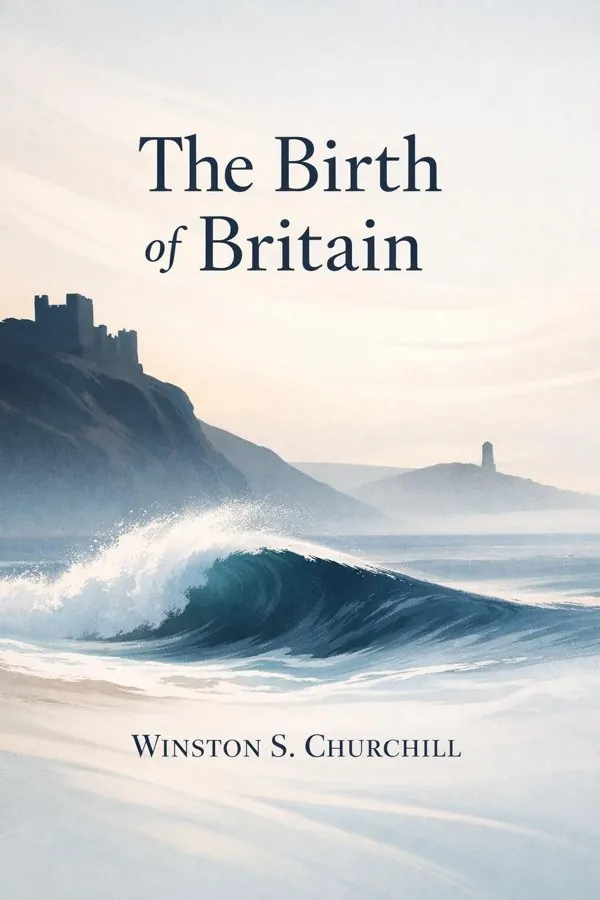
The Birth of Britain
The first volume of Winston Churchill’s monumental four-part history, 'A History of the English-Speaking Peoples,' 'The Birth of Britain' traces the story of the British Isles from prehistoric times t...
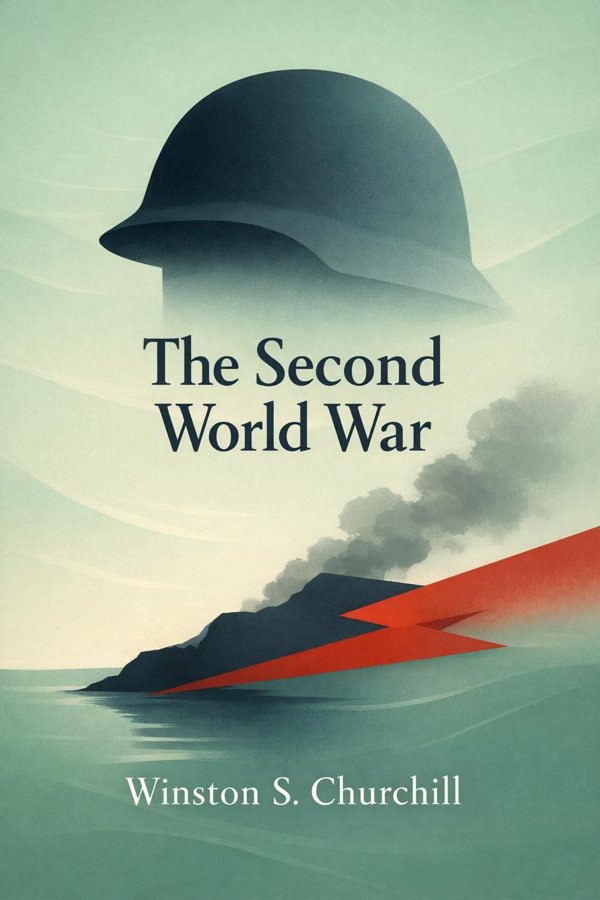
The Second World War
The Second World War is Winston S. Churchill’s sweeping account of the deadliest conflict in modern history, told by one of the few people who helped shape its outcome at the highest level. Across six...
Key Insights from Winston S. Churchill
Prehistoric Britain
In the beginning, our island was the child of geography and chance. The great ice sheets withdrew, and Britain—then still joined to the continent—was slowly carved by the seas into a separate entity. This isolation would one day shape our destiny, endowing us with an independence of spirit and a sel...
From The Birth of Britain
Roman Conquest and Occupation
The arrival of Rome was Britain’s first true encounter with civilization on a grand scale. Julius Caesar came first, not to conquer but to explore and intimidate. Nearly a century later, under Emperor Claudius, the Roman legions came to stay. With them arrived not merely soldiers but surveyors, engi...
From The Birth of Britain
The Gathering Storm Before Catastrophe
Great wars rarely begin in a single moment; they gather force while nations look away. Churchill’s opening argument is that the Second World War became possible not only because Hitler was aggressive, but because Europe after 1918 mistook exhaustion for peace. The Treaty of Versailles punished Germa...
From The Second World War
War Begins When Illusions Collapse
A crisis becomes war when false hopes can no longer survive contact with reality. Churchill describes the German invasion of Poland in September 1939 as the moment when years of wishful thinking ended. Hitler’s claims that he sought only limited revisions were exposed as fraud. Britain and France, h...
From The Second World War
The Fall Of France Changed Everything
The collapse of a great power can reorder the world in weeks. Churchill’s account of the fall of France is one of the most sobering sections of the work because it shows how quickly a seemingly strong alliance can disintegrate under strategic surprise, operational speed, and political shock. In 1940...
From The Second World War
Standing Alone Requires Moral Nerve
There are moments in history when endurance becomes strategy. Churchill’s narrative of Britain standing alone after the fall of France centers on a crucial proposition: survival in war depends not just on weapons, but on a nation’s willingness to refuse surrender when defeat seems plausible. In 1940...
From The Second World War
About Winston S. Churchill
Winston Spencer Churchill (1874–1965) was a British statesman, writer, and orator who served as Prime Minister of the United Kingdom during World War II and again in the early 1950s. He was awarded the Nobel Prize in Literature in 1953 for his historical and biographical writings.


Frequently Asked Questions
Winston Spencer Churchill (1874–1965) was a British statesman, writer, and orator who served as Prime Minister of the United Kingdom during World War II and again in the early 1950s. He was awarded the Nobel Prize in Literature in 1953 for his historical and biographical writings.
Read Winston S. Churchill's books in 15 minutes
Get AI-powered summaries with key insights from 2 books by Winston S. Churchill.