
William Doyle Books
William Doyle is a British historian and emeritus professor at the University of Bristol, specializing in eighteenth-century France and the French Revolution. He is recognized as one of the leading authorities on the period and has published extensively on revolutionary and early modern European history.
Known for: Japanese Women Don't Get Old or Fat: Secrets of My Mother's Tokyo Kitchen, The French Revolution: A Very Short Introduction, The Oxford History of the French Revolution
Books by William Doyle

Japanese Women Don't Get Old or Fat: Secrets of My Mother's Tokyo Kitchen
This book explores the traditional Japanese diet and lifestyle, revealing how Japanese women maintain health, vitality, and longevity. Drawing from Naomi Moriyama’s childhood experiences in her mother...
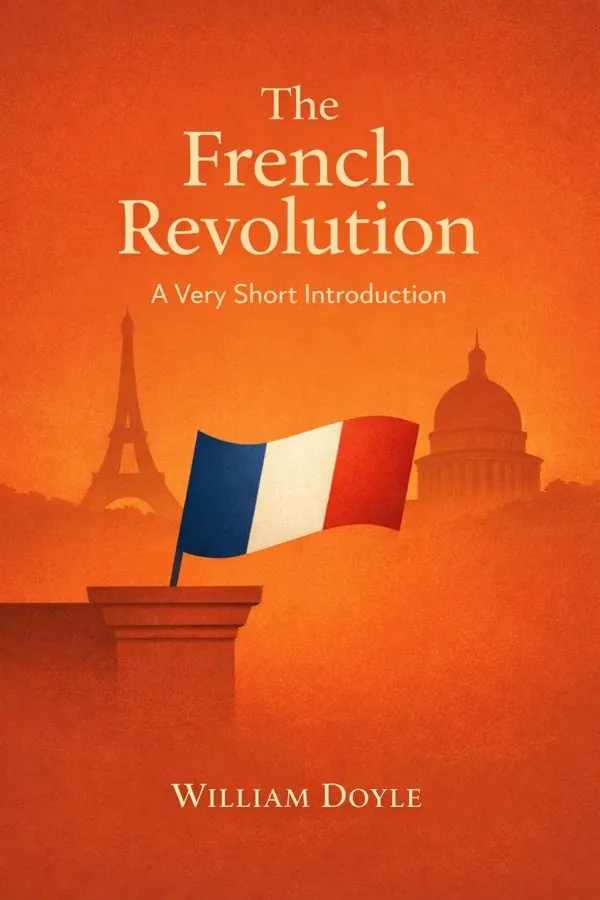
The French Revolution: A Very Short Introduction
This concise volume offers a clear and authoritative overview of the French Revolution, exploring its origins, major events, and lasting impact on modern political and social thought. William Doyle ex...
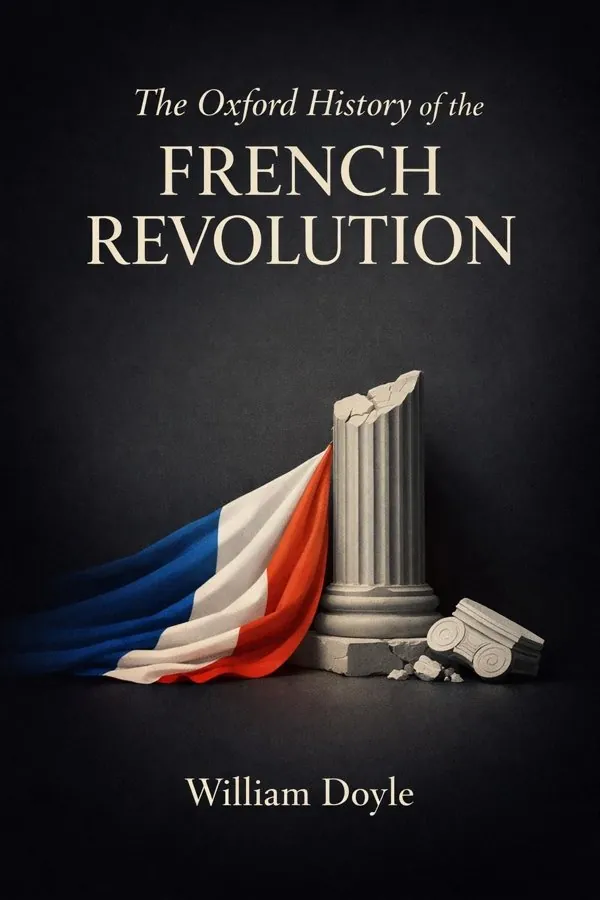
The Oxford History of the French Revolution
A comprehensive and authoritative account of the French Revolution from its origins in the late eighteenth century to its aftermath. William Doyle examines the political, social, and cultural transfor...
Key Insights from William Doyle
Contrast with Western Diets
When I first tasted typical Western meals—giant plates of pasta, thick steaks, sugary desserts—I was stunned by the speed and quantity with which people ate. In Japan, food serves the body, not the other way around. Meals are designed to sustain, not to dominate. Where the modern Western diet often ...
From Japanese Women Don't Get Old or Fat: Secrets of My Mother's Tokyo Kitchen
The Japanese Home Kitchen
The heart of every Japanese home is the kitchen, and in my family, my mother’s kitchen was a temple. It was modest—compact, immaculate, and beautifully organized. There were no gleaming stainless steel appliances or complicated gadgets, only a few well-cared-for tools that had been with her for deca...
From Japanese Women Don't Get Old or Fat: Secrets of My Mother's Tokyo Kitchen
The Old Regime
Before we can understand what shattered, we must first grasp what stood. The France of Louis XVI, though admired for its splendor, rested upon a social and political structure that was medieval in spirit. It was a society of orders, not individuals—a hierarchy where privilege defined power. The cler...
From The French Revolution: A Very Short Introduction
Intellectual and Political Origins
If the monarchy’s problems were material, its legitimacy was intellectual. The Enlightenment had taught people to question every source of authority—tradition, religion, kingship. Thinkers like Voltaire, Rousseau, and Montesquieu provided the intellectual instruments of revolution long before the gu...
From The French Revolution: A Very Short Introduction
The Ancien Régime
Before revolution ignited, France possessed one of the most intricate and stratified societies in Europe. The bedrock of the ancien régime rested upon privilege: the nobility and clergy held immense immunities from taxation and enjoyed preferential access to offices. Beneath them, the vast majority—...
From The Oxford History of the French Revolution
The Crisis of the Monarchy
The monarchy’s descent into crisis was not inevitable, but cumulative. Each reform attempt dug deeper into privilege’s foundations, and each failure further discredited royal authority. Louis XVI’s ministers—Turgot, Necker, Calonne, and Brienne—proposed new systems of taxation intended to spread the...
From The Oxford History of the French Revolution
About William Doyle
William Doyle is a British historian and emeritus professor at the University of Bristol, specializing in eighteenth-century France and the French Revolution. He is recognized as one of the leading authorities on the period and has published extensively on revolutionary and early modern European his...
Read more
William Doyle is a British historian and emeritus professor at the University of Bristol, specializing in eighteenth-century France and the French Revolution. He is recognized as one of the leading authorities on the period and has published extensively on revolutionary and early modern European his...
William Doyle is a British historian and emeritus professor at the University of Bristol, specializing in eighteenth-century France and the French Revolution. He is recognized as one of the leading authorities on the period and has published extensively on revolutionary and early modern European history.



Frequently Asked Questions
William Doyle is a British historian and emeritus professor at the University of Bristol, specializing in eighteenth-century France and the French Revolution. He is recognized as one of the leading authorities on the period and has published extensively on revolutionary and early modern European history.
Read William Doyle's books in 15 minutes
Get AI-powered summaries with key insights from 3 books by William Doyle.