
Will Eisner Books
Will Eisner (1917–2005) fue un pionero del cómic estadounidense, conocido por su innovador trabajo en The Spirit y por ser uno de los primeros en promover el concepto de la novela gráfica. Su influencia en la narrativa visual y la educación artística ha sido reconocida mundialmente.
Known for: Comics and Sequential Art: Principles and Practices from the Legendary Cartoonist, Graphic Storytelling and Visual Narrative: Principles and Practices from the Legendary Cartoonist
Books by Will Eisner
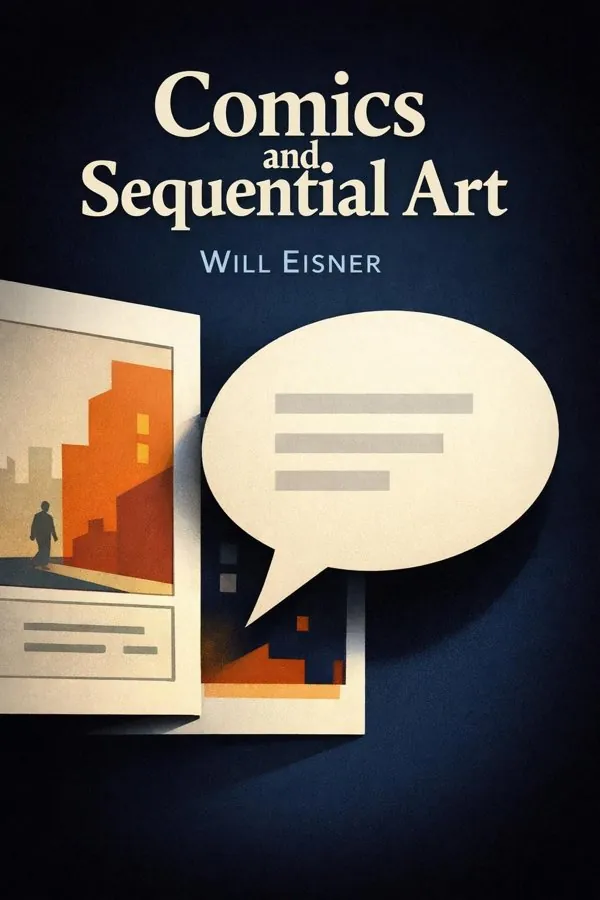
Comics and Sequential Art: Principles and Practices from the Legendary Cartoonist
Comics and Sequential Art es una obra fundamental escrita por Will Eisner que explora los principios del arte secuencial, la narrativa visual y la estructura del cómic como medio de comunicación. El l...
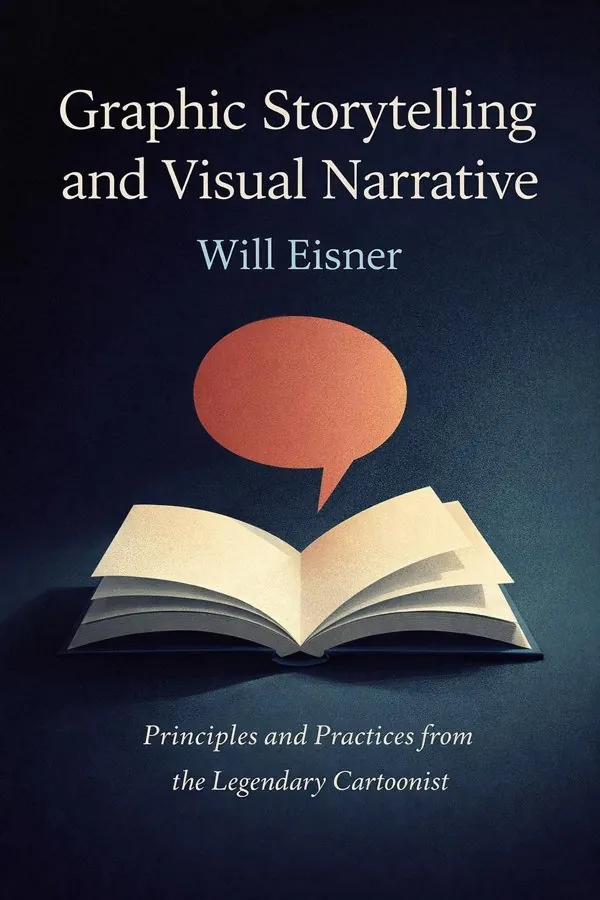
Graphic Storytelling and Visual Narrative: Principles and Practices from the Legendary Cartoonist
Will Eisner’s Graphic Storytelling and Visual Narrative is a masterclass in how stories can be built through images, sequence, rhythm, and design. More than a technical guide to comics, the book expla...
Key Insights from Will Eisner
Sequential Art: A Language of Its Own
When I define comics as sequential art, I am emphasizing the idea of sequence—images arranged in deliberate order to convey information or produce an aesthetic response. Unlike single illustrations, which capture a frozen moment, sequential art depends upon progression. Each panel connects to the ne...
From Comics and Sequential Art: Principles and Practices from the Legendary Cartoonist
The Dance of Image and Word
A central principle of sequential art is the interaction between image and word. Neither alone conveys the full meaning of the comic form. The picture supplies context, mood, and action; the word directs interpretation, clarifies intent, and can even provide counterpoint. In my own stories, I’ve ex...
From Comics and Sequential Art: Principles and Practices from the Legendary Cartoonist
Words and Images Create Unified Meaning
A powerful visual story begins when words stop competing with images and start completing them. Eisner argues that comics and graphic narrative are not illustrated prose, nor are they silent pictures with captions attached. They are a hybrid form in which text and image share responsibility for mean...
From Graphic Storytelling and Visual Narrative: Principles and Practices from the Legendary Cartoonist
Time Is Built Through Sequence
In visual narrative, time is invisible until the storyteller makes the reader feel it. Eisner explains that each panel is static, yet readers experience movement, duration, and rhythm by mentally connecting one image to the next. This is one of comics’ defining powers: the illusion of time created t...
From Graphic Storytelling and Visual Narrative: Principles and Practices from the Legendary Cartoonist
Composition Directs the Reader’s Eye
Readers do not simply look at a page; they are led through it. Eisner emphasizes that composition and framing are not decorative choices but narrative tools. Every panel, angle, and arrangement of shapes influences what the reader notices first, how information is prioritized, and what emotional ton...
From Graphic Storytelling and Visual Narrative: Principles and Practices from the Legendary Cartoonist
Emotion Lives in Characters and Gesture
Long before a reader analyzes plot, they respond to human feeling. Eisner insists that character is communicated not only through written personality but through posture, expression, movement, and physical presence on the page. In visual storytelling, emotion must be embodied. A slumped shoulder, a ...
From Graphic Storytelling and Visual Narrative: Principles and Practices from the Legendary Cartoonist
About Will Eisner
Will Eisner (1917–2005) fue un pionero del cómic estadounidense, conocido por su innovador trabajo en The Spirit y por ser uno de los primeros en promover el concepto de la novela gráfica. Su influencia en la narrativa visual y la educación artística ha sido reconocida mundialmente.

Frequently Asked Questions
Will Eisner (1917–2005) fue un pionero del cómic estadounidense, conocido por su innovador trabajo en The Spirit y por ser uno de los primeros en promover el concepto de la novela gráfica. Su influencia en la narrativa visual y la educación artística ha sido reconocida mundialmente.
Read Will Eisner's books in 15 minutes
Get AI-powered summaries with key insights from 2 books by Will Eisner.