
Soetsu Yanagi Books
Soetsu Yanagi (1889–1961) was a Japanese philosopher, aesthetician, and founder of the Mingei movement, which celebrated the beauty of everyday crafts made by unknown artisans. A graduate of Tokyo Imperial University, Yanagi established the Japan Folk Crafts Museum in 1936 and played a key role in redefining Japanese aesthetics through his writings and advocacy for folk art.
Known for: The Beauty of Everyday Things, The Unknown Craftsman: A Japanese Insight into Beauty
Books by Soetsu Yanagi
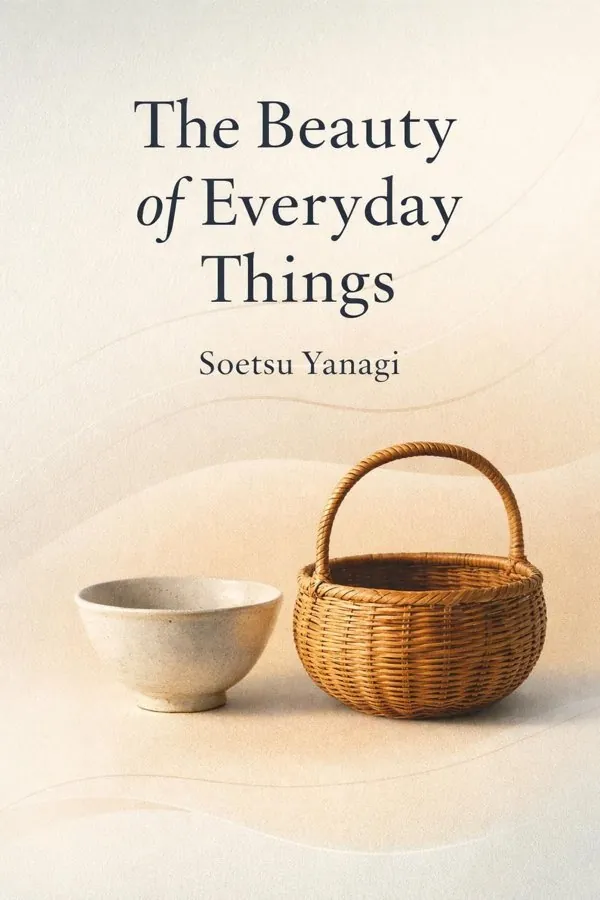
The Beauty of Everyday Things
The Beauty of Everyday Things is a collection of essays by Soetsu Yanagi, founder of the Japanese Mingei (folk craft) movement. In this work, Yanagi explores the essence of beauty found in ordinary, h...
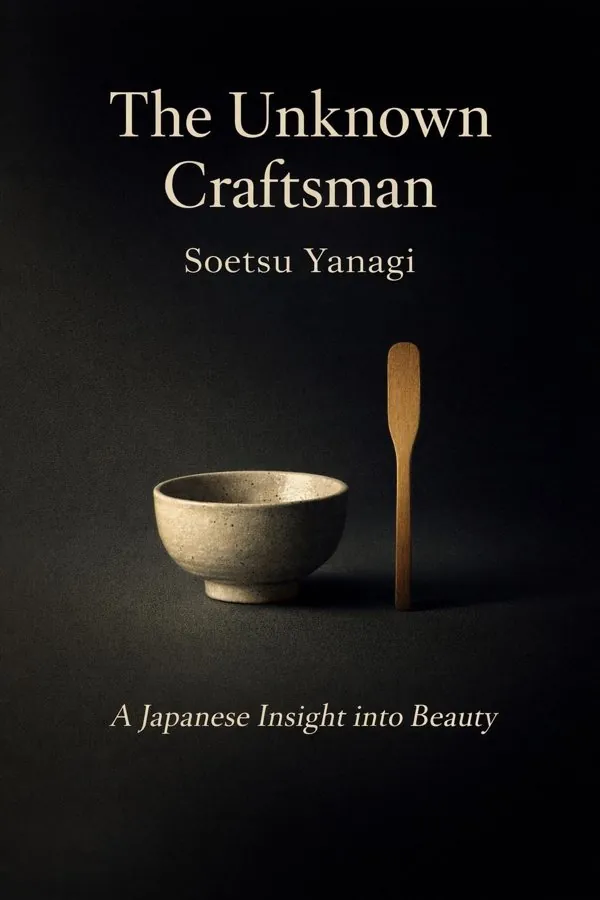
The Unknown Craftsman: A Japanese Insight into Beauty
The Unknown Craftsman is a classic work on Japanese aesthetics and the philosophy of folk craft by Soetsu Yanagi, founder of the Mingei (folk craft) movement. The book explores the concept of 'the bea...
Key Insights from Soetsu Yanagi
The Heart of Mingei: Beauty in the Ordinary
The philosophy of Mingei arises from compassion for the ordinary and gratitude toward anonymous makers. When I first encountered Korean and Japanese folk crafts, I felt an almost spiritual shock. These were not finely signed works of art but simple vessels and textiles made for daily use. Yet their ...
From The Beauty of Everyday Things
Simplicity, Function, and the Soul of Beauty
When we speak of simplicity, we do not mean austerity or lack of imagination. Simplicity is a kind of perfection—the state where nothing superfluous remains and everything serves its purpose. The shape of a teacup or the curve of a spoon achieves beauty precisely because it obeys the natural demands...
From The Beauty of Everyday Things
The Origins and Spirit of Mingei
The Mingei movement was born from Japan’s encounter with modernity and my conviction that ordinary craftsmanship contained unseen spiritual depth. In the early 1920s, I traveled widely, encountering village artisans whose work revealed a truth: beauty thrives where self-interest fades. Their creatio...
From The Unknown Craftsman: A Japanese Insight into Beauty
The Unknown Craftsman and the Beauty of Use
The figure of the ‘unknown craftsman’ is central to understanding the meaning of Mingei. He is a person who makes without thought of self-expression, yet achieves a purity that even celebrated artists sometimes fail to reach. His anonymity is not a deficiency; it is his strength. By being detached f...
From The Unknown Craftsman: A Japanese Insight into Beauty
About Soetsu Yanagi
Soetsu Yanagi (1889–1961) was a Japanese philosopher, aesthetician, and founder of the Mingei movement, which celebrated the beauty of everyday crafts made by unknown artisans. A graduate of Tokyo Imperial University, Yanagi established the Japan Folk Crafts Museum in 1936 and played a key role in r...
Read more
Soetsu Yanagi (1889–1961) was a Japanese philosopher, aesthetician, and founder of the Mingei movement, which celebrated the beauty of everyday crafts made by unknown artisans. A graduate of Tokyo Imperial University, Yanagi established the Japan Folk Crafts Museum in 1936 and played a key role in r...
Soetsu Yanagi (1889–1961) was a Japanese philosopher, aesthetician, and founder of the Mingei movement, which celebrated the beauty of everyday crafts made by unknown artisans. A graduate of Tokyo Imperial University, Yanagi established the Japan Folk Crafts Museum in 1936 and played a key role in redefining Japanese aesthetics through his writings and advocacy for folk art.

Frequently Asked Questions
Soetsu Yanagi (1889–1961) was a Japanese philosopher, aesthetician, and founder of the Mingei movement, which celebrated the beauty of everyday crafts made by unknown artisans. A graduate of Tokyo Imperial University, Yanagi established the Japan Folk Crafts Museum in 1936 and played a key role in redefining Japanese aesthetics through his writings and advocacy for folk art.
Read Soetsu Yanagi's books in 15 minutes
Get AI-powered summaries with key insights from 2 books by Soetsu Yanagi.