
Siddhartha Mukherjee Books
Siddhartha Mukherjee is an Indian-American physician, oncologist, and author. He is an assistant professor of medicine at Columbia University and a staff cancer physician at Columbia University Medical Center.
Known for: The Emperor of All Maladies: A Biography of Cancer, The Gene: An Intimate History, The Song Of The Cell: An Exploration of Medicine and the New Human
Books by Siddhartha Mukherjee
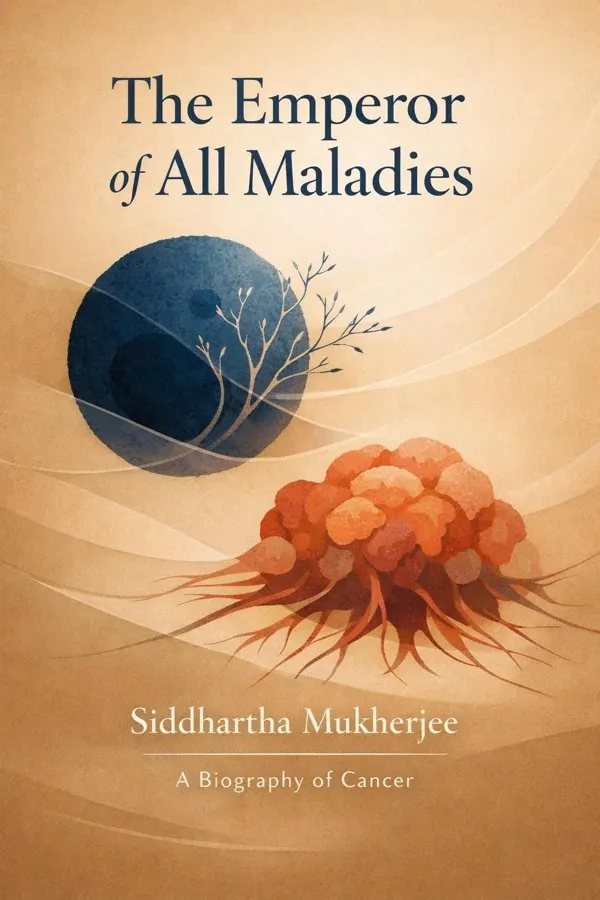
The Emperor of All Maladies: A Biography of Cancer
What if a disease could be written like a life story—complete with childhood, turning points, rebellions, and reinventions? In The Emperor of All Maladies, physician and oncologist Siddhartha Mukherje...
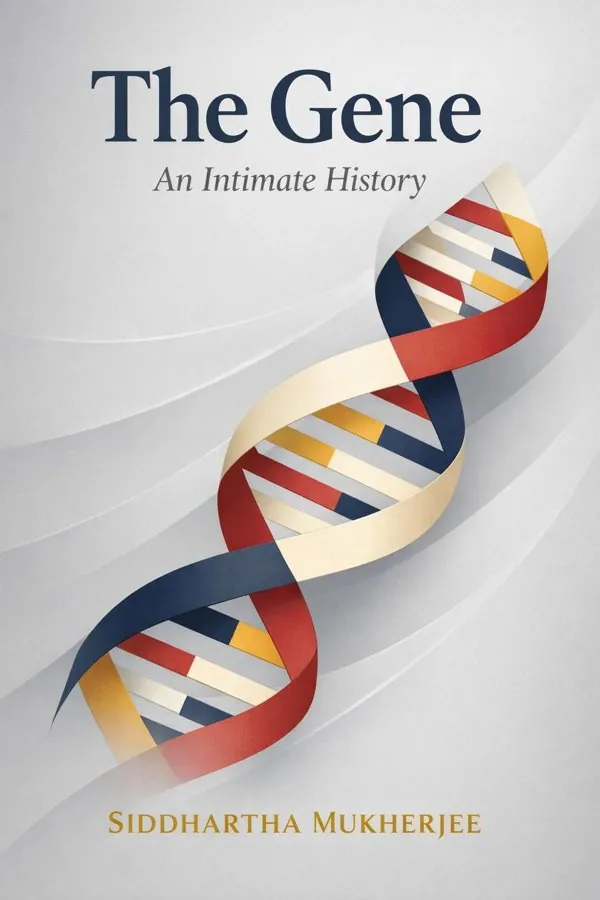
The Gene: An Intimate History
The Gene: An Intimate History is a sweeping account of one of humanity’s most powerful ideas: that a hidden biological code helps shape who we are, how we inherit traits, and why disease runs through ...
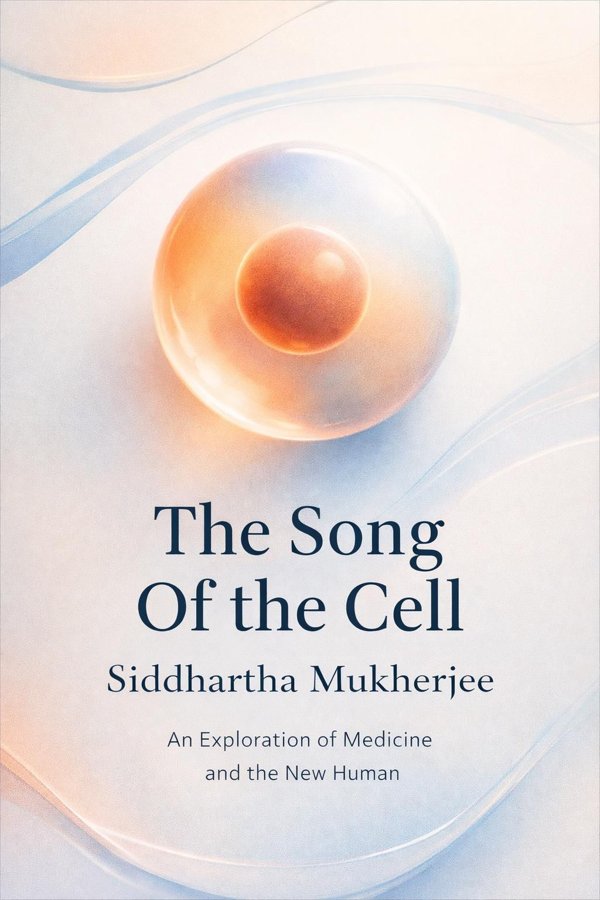
The Song Of The Cell: An Exploration of Medicine and the New Human
What if the most powerful way to understand the human body is not through organs, bones, or symptoms, but through the tiny living units that compose us? In The Song Of The Cell, Siddhartha Mukherjee t...
Key Insights from Siddhartha Mukherjee
Cancer Has Deep Historical Roots
One of the book’s most arresting insights is that cancer is not a modern invention but an ancient companion of human life. Mukherjee begins with some of the earliest known medical writings, including the Edwin Smith Papyrus, where tumors are described with chilling simplicity as masses for which the...
From The Emperor of All Maladies: A Biography of Cancer
Radical Surgery Reflected Early Oncology
A troubling truth runs through cancer’s medical history: when doctors understand little, they often intervene with great force. In the nineteenth and early twentieth centuries, surgery became the dominant response to solid tumors. Surgeons such as William Halsted developed increasingly aggressive op...
From The Emperor of All Maladies: A Biography of Cancer
Modern Oncology Emerged From New Tools
Cancer care became truly modern not when medicine found a single cure, but when it built a new language for diagnosis, classification, and coordinated treatment. Mukherjee shows that oncology developed as physicians began to distinguish between different cancers, stage disease more carefully, and li...
From The Emperor of All Maladies: A Biography of Cancer
Chemotherapy Began With Dangerous Hope
Some of medicine’s biggest advances begin in unsettling places. Mukherjee recounts how chemotherapy emerged from observations tied to wartime chemical exposures and experimental compounds that damaged rapidly dividing cells. The basic idea was both elegant and brutal: if cancer cells divide uncontro...
From The Emperor of All Maladies: A Biography of Cancer
The War On Cancer Had Limits
Big slogans can mobilize resources, but they can also oversimplify reality. When the United States launched the “War on Cancer,” it signaled political urgency, funding, and public commitment. Mukherjee shows that this moment mattered immensely: it expanded research infrastructure, raised awareness, ...
From The Emperor of All Maladies: A Biography of Cancer
Molecular Biology Changed The Battlefield
The most important turn in cancer research came when scientists stopped seeing tumors only as masses and began seeing them as corrupted cellular programs. Mukherjee explains how the molecular revolution uncovered oncogenes, tumor suppressor genes, signaling pathways, mutations, and the machinery tha...
From The Emperor of All Maladies: A Biography of Cancer
About Siddhartha Mukherjee
Siddhartha Mukherjee is an Indian-American physician, oncologist, and author. He is an assistant professor of medicine at Columbia University and a staff cancer physician at Columbia University Medical Center. His writing explores the intersection of science, medicine, and the human condition.


Frequently Asked Questions
Siddhartha Mukherjee is an Indian-American physician, oncologist, and author. He is an assistant professor of medicine at Columbia University and a staff cancer physician at Columbia University Medical Center.
Read Siddhartha Mukherjee's books in 15 minutes
Get AI-powered summaries with key insights from 3 books by Siddhartha Mukherjee.