
Seneca Books
Lucius Annaeus Seneca (c. 4 BCE–65 CE) was a Roman Stoic philosopher, statesman, and dramatist.
Known for: Letters from a Stoic, Letters from a Stoic: Epistulae Morales ad Lucilium, On the Shortness of Life
Books by Seneca
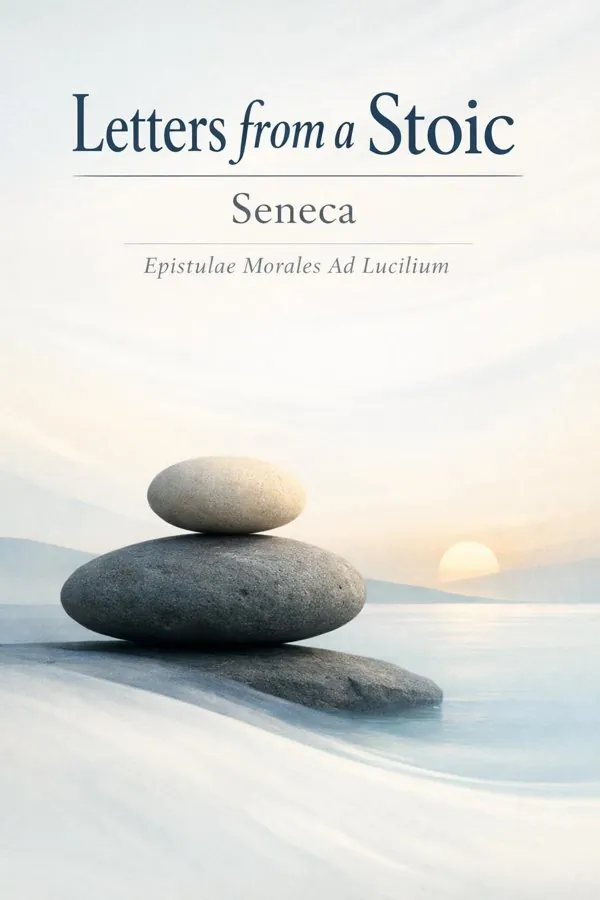
Letters from a Stoic
What if peace of mind had less to do with controlling the world and more to do with mastering yourself? That is the enduring promise of Letters from a Stoic, Seneca’s timeless collection of moral lett...
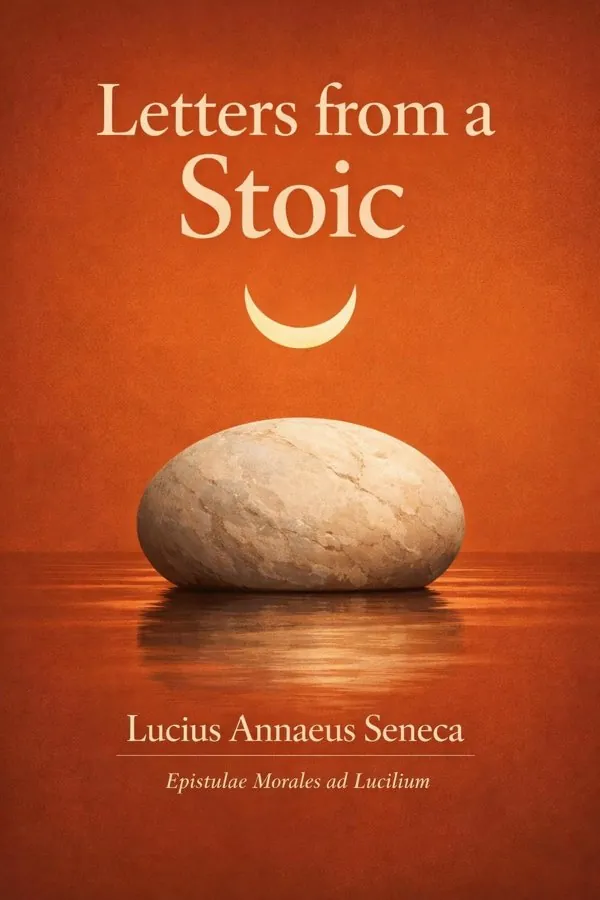
Letters from a Stoic: Epistulae Morales ad Lucilium
Letters from a Stoic is a collection of moral letters written by the Roman Stoic philosopher Seneca to his friend Lucilius. In these letters, Seneca discusses virtue, wisdom, death, fortune, and tranq...
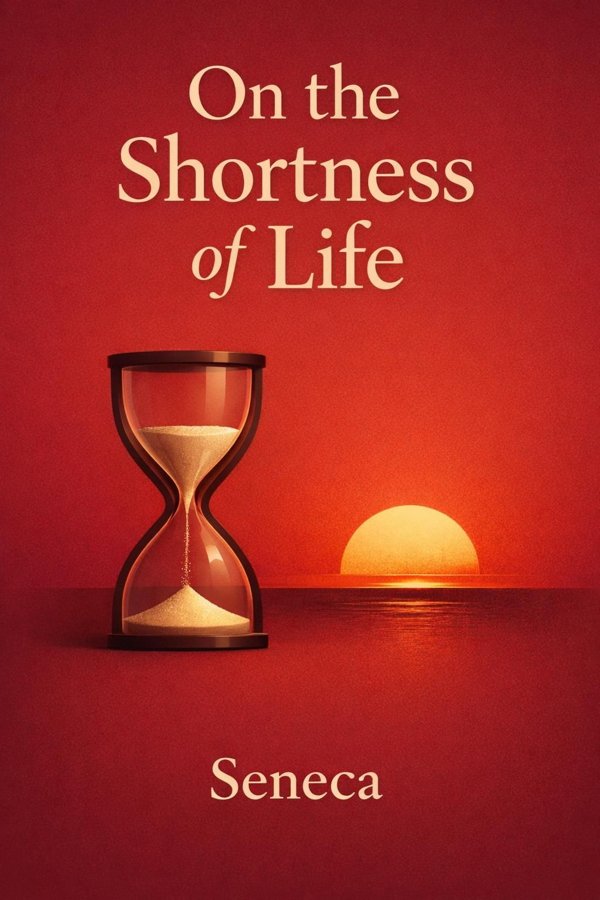
On the Shortness of Life
In this classic Stoic treatise, Seneca the Younger reflects on the fleeting nature of human life and the ways people squander their time. He argues that life is long enough if used wisely, urging read...
Key Insights from Seneca
Virtue: The Only Good
Seneca’s central claim is radical but liberating: the only true good is virtue. Wealth, status, health, comfort, and praise may be pleasant or useful, but they do not determine whether a person is living well. For Seneca, goodness belongs to the soul—to wisdom, justice, courage, and self-command. Th...
From Letters from a Stoic
The Fleeting Nature of Time and the Art of Using Life Well
Few themes in Seneca’s letters feel more urgent than his warning about wasted time. He argues that people guard their money carefully yet hand over their days without resistance. Time is life itself, and once it is spent, it cannot be recovered. Seneca’s insight is not merely that life is short, but...
From Letters from a Stoic
Mastering the Passions: The Discipline of Inner Control
Seneca sees destructive emotions—especially anger, fear, anxiety, and uncontrolled desire—not as unavoidable rulers of the mind but as forces that can be examined, restrained, and redirected by reason. In Stoic thought, the problem is not that we feel something; it is that we surrender judgment to i...
From Letters from a Stoic
Wealth, Poverty, and the Freedom of Self-Sufficiency
Seneca writes about wealth with unusual balance. He does not glorify poverty for its own sake, nor does he condemn possessions simply because they are pleasant. His warning is sharper: wealth becomes dangerous when it owns the mind. A rich person who fears loss, craves luxury, and cannot endure disc...
From Letters from a Stoic
Friendship: The Bond Born of Virtue
For Seneca, friendship is not a transaction, a networking tool, or a relationship sustained by convenience. It is one of life’s highest goods when rooted in virtue. He believes we should seek friends not for advantage but for mutual moral growth. A true friend is someone before whom you can be hones...
From Letters from a Stoic
Living in Accord with Nature: Accepting Death
Seneca repeatedly returns to death because he believes much human misery comes from refusing to face it honestly. To live in accord with nature means accepting that death is not an accident or personal insult but a basic feature of life. We panic because we treat mortality as shocking, yet everythin...
From Letters from a Stoic
About Seneca
Lucius Annaeus Seneca (c. 4 BCE–65 CE) was a Roman Stoic philosopher, statesman, and dramatist. As tutor and advisor to Emperor Nero, Seneca became one of the most influential thinkers of his time, known for his philosophical essays, letters, and tragedies that explore Stoic ethics and the art of li...
Read more
Lucius Annaeus Seneca (c. 4 BCE–65 CE) was a Roman Stoic philosopher, statesman, and dramatist. As tutor and advisor to Emperor Nero, Seneca became one of the most influential thinkers of his time, known for his philosophical essays, letters, and tragedies that explore Stoic ethics and the art of li...
Lucius Annaeus Seneca (c. 4 BCE–65 CE) was a Roman Stoic philosopher, statesman, and dramatist. As tutor and advisor to Emperor Nero, Seneca became one of the most influential thinkers of his time, known for his philosophical essays, letters, and tragedies that explore Stoic ethics and the art of living well.


Frequently Asked Questions
Lucius Annaeus Seneca (c. 4 BCE–65 CE) was a Roman Stoic philosopher, statesman, and dramatist.
Read Seneca's books in 15 minutes
Get AI-powered summaries with key insights from 3 books by Seneca.