
Scott Barry Kaufman Books
Scott Barry Kaufman is an American cognitive scientist and humanistic psychologist known for his research on intelligence, creativity, and self-actualization. He has taught at Columbia University, NYU, and the University of Pennsylvania, and hosts the popular psychology podcast 'The Psychology Podcast'.
Known for: Wired to Create: Unraveling the Mysteries of the Creative Mind, Transcend: The New Science of Self-Actualization, Ungifted: Intelligence Redefined
Books by Scott Barry Kaufman
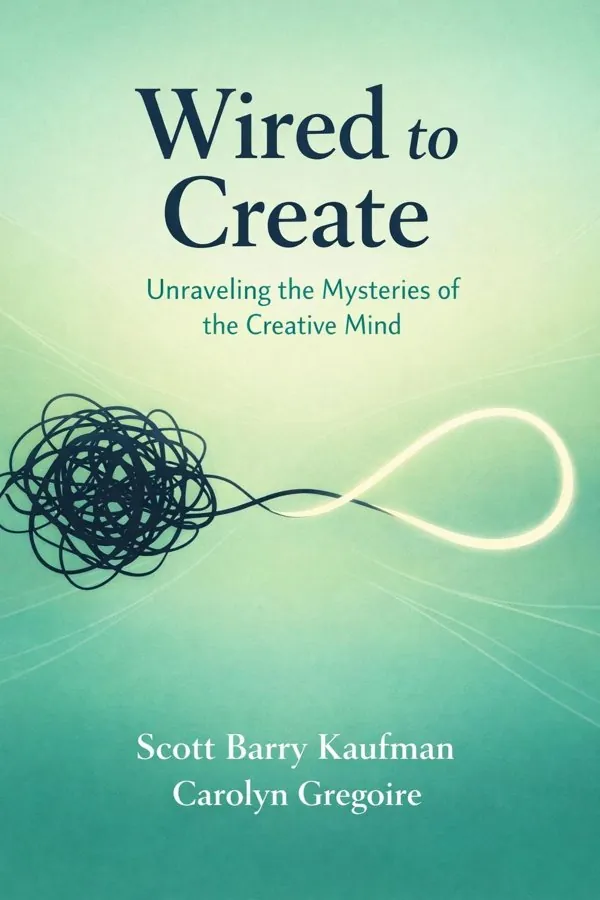
Wired to Create: Unraveling the Mysteries of the Creative Mind
Creativity is often treated like a rare gift reserved for artists, inventors, or eccentric geniuses. In Wired to Create, psychologist Scott Barry Kaufman and journalist Carolyn Gregoire challenge that...
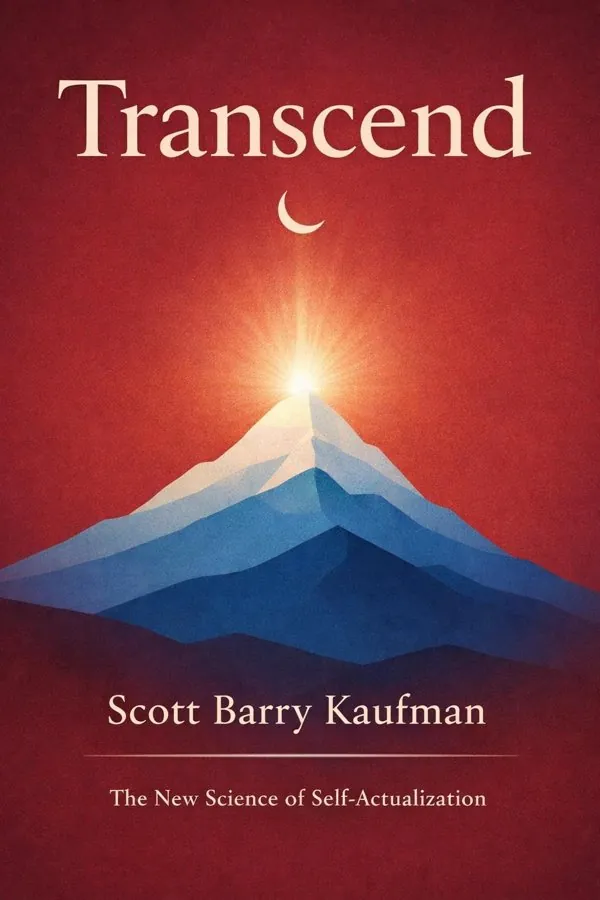
Transcend: The New Science of Self-Actualization
In this groundbreaking work, psychologist Scott Barry Kaufman reimagines Abraham Maslow’s hierarchy of needs for the modern era. Drawing on cutting-edge research in psychology and neuroscience, Kaufma...
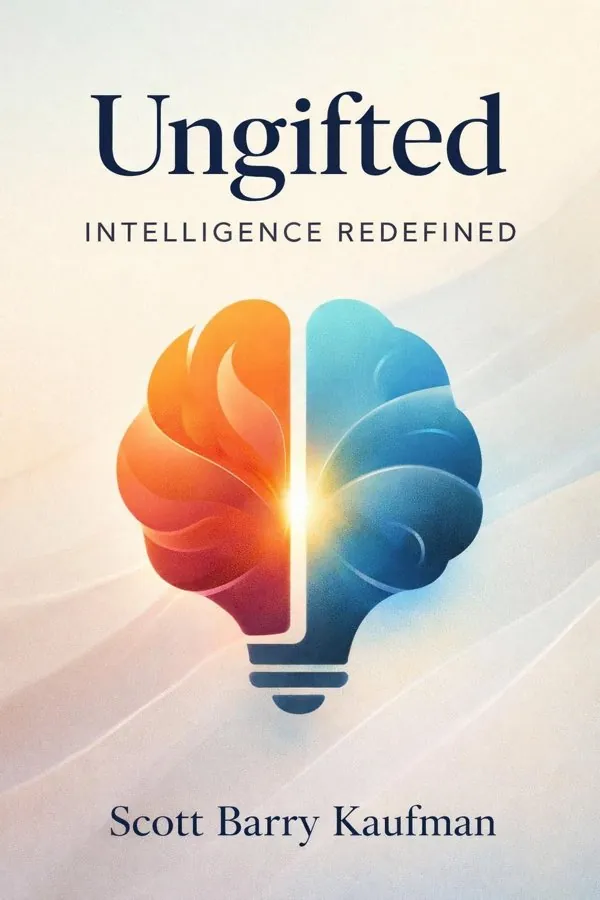
Ungifted: Intelligence Redefined
In this groundbreaking work, psychologist Scott Barry Kaufman challenges traditional notions of intelligence and giftedness. Drawing on cutting-edge research in cognitive science, neuroscience, and ps...
Key Insights from Scott Barry Kaufman
Creativity Is Human, Not Rare
The most damaging myth about creativity is that only a gifted few possess it. Wired to Create argues the opposite: creativity is not a mystical trait handed to a small elite, but a natural human capacity that appears wherever people combine curiosity, imagination, and persistence. This shift matters...
From Wired to Create: Unraveling the Mysteries of the Creative Mind
Openness Fuels Original Thinking
Creative people often seem different not because they know more, but because they experience more. One of the book’s central findings is that openness to experience is one of the strongest personality predictors of creativity. Openness includes curiosity, imagination, appreciation of beauty, intelle...
From Wired to Create: Unraveling the Mysteries of the Creative Mind
Mind-Wandering Has Creative Value
Many people treat a wandering mind as a failure of discipline, but the book makes a compelling case that daydreaming can be a creative asset. Creative insight often emerges not when the mind is forcing an answer, but when it is allowed to drift, combine, and simulate possibilities in the background....
From Wired to Create: Unraveling the Mysteries of the Creative Mind
Solitude Deepens Creative Insight
In a culture that celebrates constant collaboration and visibility, solitude can look unproductive. Wired to Create argues that this is a serious misunderstanding. While collaboration has value, solitude is often where original thought is born. Creative work requires periods of withdrawal from noise...
From Wired to Create: Unraveling the Mysteries of the Creative Mind
Sensitivity Can Become Creative Strength
What if the traits that make life feel intense also make creativity possible? The book explores how heightened sensitivity—emotional depth, receptivity to beauty, strong reactions, and awareness of nuance—can become an important source of creative power. Many creative individuals experience the worl...
From Wired to Create: Unraveling the Mysteries of the Creative Mind
Adversity Can Shape Creative Growth
Creativity does not require pain, but many creative lives are shaped by struggle. The authors carefully explore the relationship between adversity and originality without turning hardship into a romantic ideal. Difficult experiences can disrupt assumptions, deepen self-knowledge, and push people to ...
From Wired to Create: Unraveling the Mysteries of the Creative Mind
About Scott Barry Kaufman
Scott Barry Kaufman is an American cognitive scientist and humanistic psychologist known for his research on intelligence, creativity, and self-actualization. He has taught at Columbia University, NYU, and the University of Pennsylvania, and hosts the popular psychology podcast 'The Psychology Podca...
Read more
Scott Barry Kaufman is an American cognitive scientist and humanistic psychologist known for his research on intelligence, creativity, and self-actualization. He has taught at Columbia University, NYU, and the University of Pennsylvania, and hosts the popular psychology podcast 'The Psychology Podca...
Scott Barry Kaufman is an American cognitive scientist and humanistic psychologist known for his research on intelligence, creativity, and self-actualization. He has taught at Columbia University, NYU, and the University of Pennsylvania, and hosts the popular psychology podcast 'The Psychology Podcast'.



Frequently Asked Questions
Scott Barry Kaufman is an American cognitive scientist and humanistic psychologist known for his research on intelligence, creativity, and self-actualization. He has taught at Columbia University, NYU, and the University of Pennsylvania, and hosts the popular psychology podcast 'The Psychology Podcast'.
Read Scott Barry Kaufman's books in 15 minutes
Get AI-powered summaries with key insights from 3 books by Scott Barry Kaufman.