
Saifedean Ammous Books
Saifedean Ammous is a Lebanese-American economist known for his work on monetary theory and Bitcoin. He holds a PhD in Sustainable Development from Columbia University and has taught economics at the Lebanese American University.
Known for: The Bitcoin Standard: The Decentralized Alternative to Central Banking, The Fiat Standard: The Debt Slavery Alternative to Human Civilization
Books by Saifedean Ammous
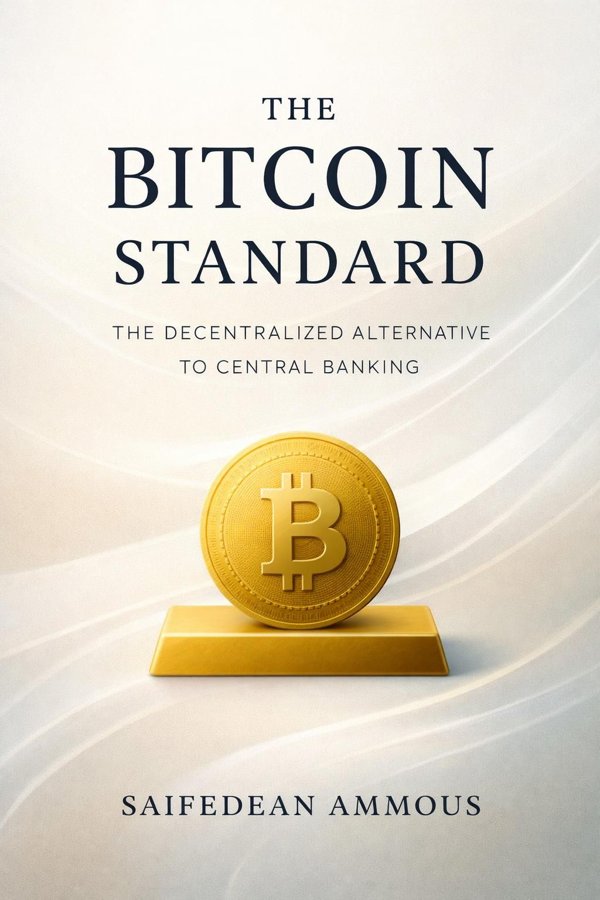
The Bitcoin Standard: The Decentralized Alternative to Central Banking
The Bitcoin Standard explores the economic, historical, and philosophical foundations of money, arguing that Bitcoin represents a return to sound monetary principles. Ammous traces the evolution of mo...
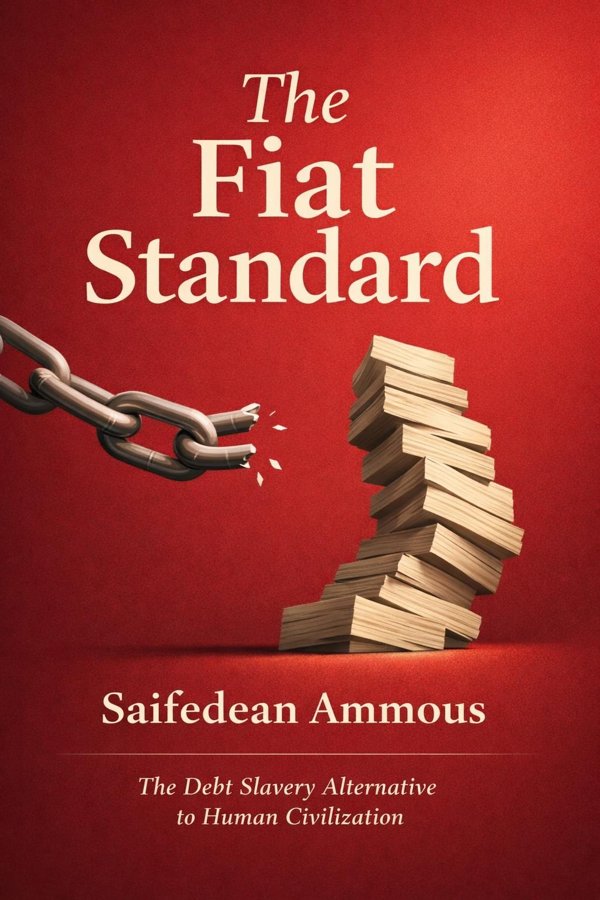
The Fiat Standard: The Debt Slavery Alternative to Human Civilization
What if the modern world’s deepest problems are not random policy failures, but predictable consequences of the kind of money we use? In The Fiat Standard, economist Saifedean Ammous argues that fiat ...
Key Insights from Saifedean Ammous
The Evolution of Money: From Barter to Gold
To understand why Bitcoin matters, we must first understand the history of money itself — a story of how humans solved the problem of cooperation. Early societies relied on barter, trading goods directly. But barter was clumsy; it required a double coincidence of wants. Over centuries, people discov...
From The Bitcoin Standard: The Decentralized Alternative to Central Banking
Time Preference and the Ethics of Sound Money
Throughout this journey, I emphasize one key concept: time preference. Time preference describes how individuals value present satisfaction versus future reward. When money is sound — when its value remains stable over time — people tend to display low time preference. They save, invest wisely, and ...
From The Bitcoin Standard: The Decentralized Alternative to Central Banking
From Sound Money to Managed Currency
Civilizations do not just choose money; money quietly shapes the civilization they become. Ammous begins by tracing the long historical shift from commodity money such as gold and silver toward fiat currency issued by states and administered by central banks. Under commodity standards, money was cos...
From The Fiat Standard: The Debt Slavery Alternative to Human Civilization
How Fiat Money Is Actually Created
Most people imagine money as something earned before it is spent, but modern finance often works in reverse: money is created through lending first, and repayment is expected later. Ammous explains that the fiat system rests on central banking, commercial bank credit creation, and fractional reserve...
From The Fiat Standard: The Debt Slavery Alternative to Human Civilization
Fiat Incentives Reward the Short Term
A society’s time horizon is often a monetary phenomenon. Ammous argues that fiat money systematically weakens long-term thinking because it reduces the reward for saving and increases the incentive to borrow, speculate, and consume now. If money is expected to lose purchasing power over time, then h...
From The Fiat Standard: The Debt Slavery Alternative to Human Civilization
Debt as Dependence and Hidden Servitude
Debt can finance growth, but under fiat conditions it can also become a system of social control. Ammous uses the provocative language of “debt slavery” to argue that fiat money encourages economic arrangements in which individuals, businesses, and governments become permanently dependent on rolling...
From The Fiat Standard: The Debt Slavery Alternative to Human Civilization
About Saifedean Ammous
Saifedean Ammous is a Lebanese-American economist known for his work on monetary theory and Bitcoin. He holds a PhD in Sustainable Development from Columbia University and has taught economics at the Lebanese American University. Ammous gained international recognition for his book *The Bitcoin Stan...
Read more
Saifedean Ammous is a Lebanese-American economist known for his work on monetary theory and Bitcoin. He holds a PhD in Sustainable Development from Columbia University and has taught economics at the Lebanese American University. Ammous gained international recognition for his book *The Bitcoin Stan...
Saifedean Ammous is a Lebanese-American economist known for his work on monetary theory and Bitcoin. He holds a PhD in Sustainable Development from Columbia University and has taught economics at the Lebanese American University. Ammous gained international recognition for his book *The Bitcoin Standard*, which became a foundational text in the cryptocurrency community.



Frequently Asked Questions
Saifedean Ammous is a Lebanese-American economist known for his work on monetary theory and Bitcoin. He holds a PhD in Sustainable Development from Columbia University and has taught economics at the Lebanese American University.
Read Saifedean Ammous's books in 15 minutes
Get AI-powered summaries with key insights from 2 books by Saifedean Ammous.