
Ryszard Kapuscinski Books
Ryszard Kapuscinski (1932–2007) was a Polish reporter, writer, and public intellectual, widely regarded as one of the most influential literary journalists of the 20th century. He worked as a foreign correspondent for the Polish Press Agency, covering Africa, Asia, and Latin America.
Known for: Imperium, The Emperor: Downfall of an Autocrat
Books by Ryszard Kapuscinski
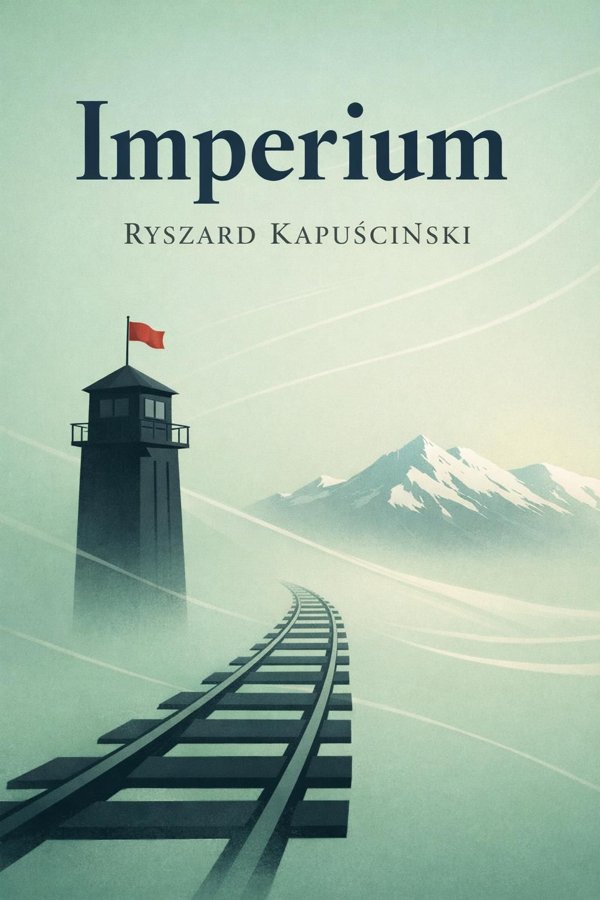
Imperium
Imperium is Ryszard Kapuscinski’s searching, deeply human account of the Soviet Union as both a political system and a lived reality. Part memoir, part travel writing, part historical reflection, the ...
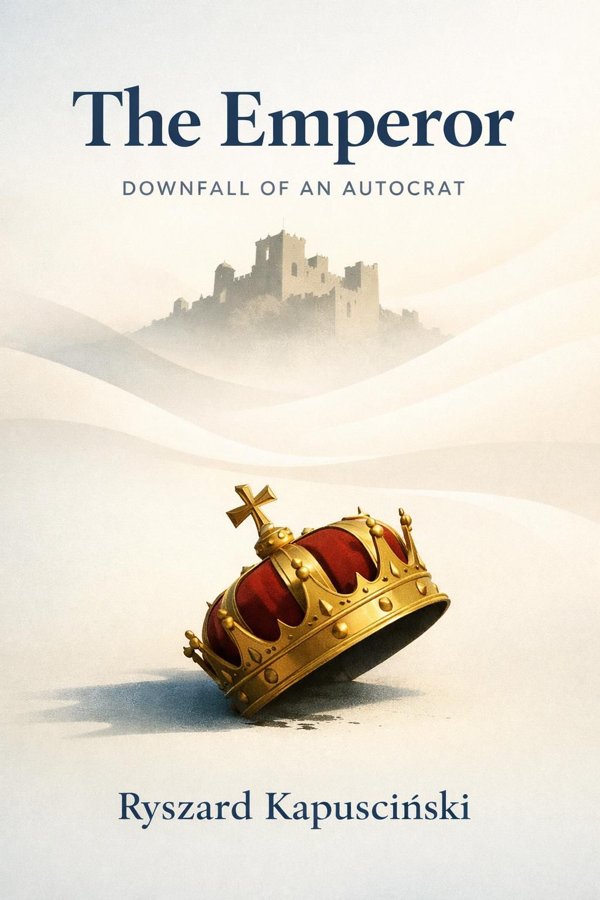
The Emperor: Downfall of an Autocrat
The Emperor: Downfall of an Autocrat is Ryszard Kapuscinski’s haunting study of power at its most theatrical, fragile, and self-deceiving. First published in 1978, the book reconstructs the final year...
Key Insights from Ryszard Kapuscinski
Fear as the Empire’s First Language
Empires often introduce themselves not through persuasion, but through fear. Kapuscinski’s earliest memories of the Soviet Union begin with the 1939 invasion of eastern Poland, when he was still a child. For him, Soviet power did not arrive as a theory about equality or progress. It arrived as tanks...
From Imperium
Occupation Moves Through Everyday Life
The most lasting effects of empire are often felt not on battlefields, but in kitchens, schools, offices, and train stations. Kapuscinski’s account of postwar Soviet expansion across Eastern Europe highlights how imperial rule embeds itself into ordinary routines. Once the Red Army had advanced and ...
From Imperium
The Periphery Reveals the Empire Best
To understand an empire, look not at its official center but at its neglected edges. Kapuscinski’s travels through the Caucasus and Central Asia reveal how the Soviet Union looked far from Moscow’s ideological self-image. In these regions, he encounters landscapes of extraordinary beauty, deep histo...
From Imperium
Siberia as Geography of Punishment
Some landscapes are not merely places; they are political instruments. In Imperium, Siberia appears as one of the most powerful symbols of Soviet rule: immense, cold, sparsely populated, and historically tied to exile, forced labor, and disappearance. Kapuscinski’s encounters in Siberia reveal how g...
From Imperium
Moscow Lives Inside Official Illusion
Capitals are theaters where power stages its preferred version of reality. Kapuscinski’s observations in Moscow focus on the contrast between imperial self-confidence and underlying decay. As the Soviet center, Moscow radiated authority, symbolism, and bureaucracy. It was where ideology was produced...
From Imperium
Ideology Crumbles Before Structures Do
Political systems rarely collapse the moment people stop believing in them. Kapuscinski’s treatment of perestroika and the late Soviet years shows a more subtle process: ideology decays first, while the institutions built around it continue staggering forward. By the time reform enters the Soviet vo...
From Imperium
About Ryszard Kapuscinski
Ryszard Kapuscinski (1932–2007) was a Polish reporter, writer, and public intellectual, widely regarded as one of the most influential literary journalists of the 20th century. He worked as a foreign correspondent for the Polish Press Agency, covering Africa, Asia, and Latin America. His works, incl...
Read more
Ryszard Kapuscinski (1932–2007) was a Polish reporter, writer, and public intellectual, widely regarded as one of the most influential literary journalists of the 20th century. He worked as a foreign correspondent for the Polish Press Agency, covering Africa, Asia, and Latin America. His works, incl...
Ryszard Kapuscinski (1932–2007) was a Polish reporter, writer, and public intellectual, widely regarded as one of the most influential literary journalists of the 20th century. He worked as a foreign correspondent for the Polish Press Agency, covering Africa, Asia, and Latin America. His works, including The Emperor, Shah of Shahs, and The Shadow of the Sun, earned him international acclaim for their blend of reportage and philosophical reflection.



Frequently Asked Questions
Ryszard Kapuscinski (1932–2007) was a Polish reporter, writer, and public intellectual, widely regarded as one of the most influential literary journalists of the 20th century. He worked as a foreign correspondent for the Polish Press Agency, covering Africa, Asia, and Latin America.
Read Ryszard Kapuscinski's books in 15 minutes
Get AI-powered summaries with key insights from 2 books by Ryszard Kapuscinski.