
Robert N. Butler Books
Robert N. Butler (1927–2010) was an American physician, psychiatrist, and gerontologist who founded the National Institute on Aging and coined the term 'ageism.
Known for: Why Survive?: Being Old in America
Books by Robert N. Butler
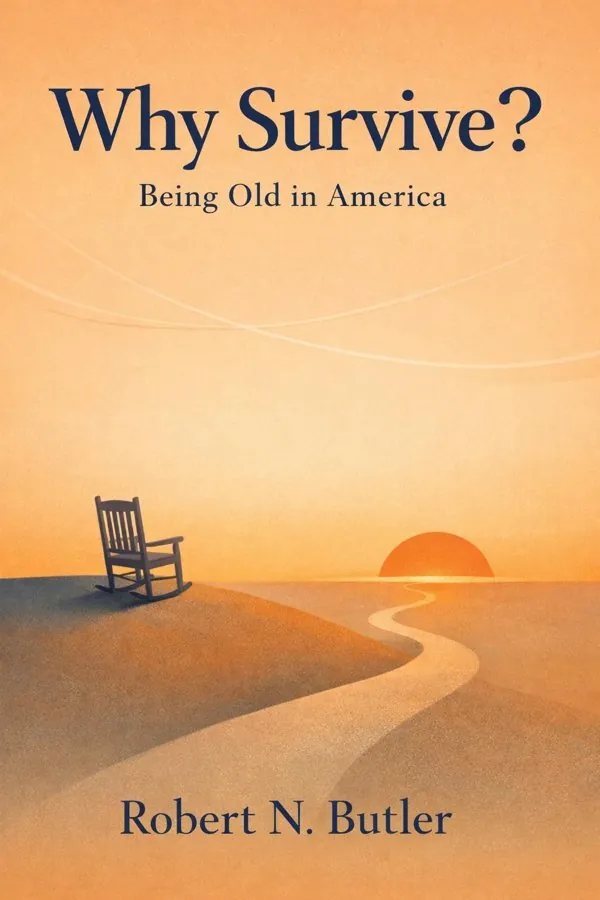
Why Survive?: Being Old in America
Why Survive?: Being Old in America is a landmark examination of what it means to grow old in a society that prizes youth, productivity, and independence above almost everything else. In this Pulitzer Prize–winning work, physician, psychiatrist, and gerontologist Robert N. Butler asks a disturbing but necessary question: if modern medicine helps people live longer, what kind of life are they actually being saved for? Butler explores the realities of aging in the United States through social policy, medical care, economics, psychology, family life, and cultural prejudice. He argues that old age is not inherently tragic; what makes it painful is the neglect, discrimination, and institutional failure that too often surround it. The book matters because many of its central concerns—loneliness, inadequate elder care, retirement insecurity, and age-based bias—remain urgent today. Butler writes not only as a scholar but as a pioneering authority who founded the National Institute on Aging and coined the term “ageism.” His combination of clinical experience, moral clarity, and policy insight makes this book both a powerful diagnosis and a call to reform.
Read SummaryKey Insights from Robert N. Butler
Aging Reflects How Society Is Organized
A society reveals its moral priorities by how it treats people who are no longer economically central. Butler shows that the experience of aging in America cannot be understood as a private, biological event alone. It is shaped by historical change: industrialization, urban migration, smaller famili...
From Why Survive?: Being Old in America
Ageism Distorts How We See Elders
Prejudice against older people often hides behind politeness, humor, or false pity. Butler’s most influential contribution in this book is naming “ageism,” the systematic stereotyping and discrimination directed at people because they are old. Once named, the pattern becomes impossible to ignore. Jo...
From Why Survive?: Being Old in America
Longevity Without Security Is Not Progress
Living longer is a triumph only if those added years are livable. Butler emphasizes the harsh contradiction at the center of modern aging: medical and public health advances extended life expectancy, but social systems often failed to provide enough income, housing, and protection for those extra ye...
From Why Survive?: Being Old in America
Healthcare Must Treat More Than Disease
One of Butler’s sharpest criticisms is that medicine often extends life without adequately addressing the quality of that life. Older adults do not only need treatment for disease; they need care that considers function, dignity, mental health, pain, social support, and autonomy. Too often, healthca...
From Why Survive?: Being Old in America
The Emotional Costs of Social Neglect
Old age becomes especially painful when society strips it of meaning. Butler pays close attention to the psychological and emotional dimensions of aging, arguing that despair in later life is often socially produced rather than biologically inevitable. Loneliness, humiliation, dependency without res...
From Why Survive?: Being Old in America
Institutions Can Protect or Erase Personhood
When care institutions are poorly designed, they can keep people alive while draining life of identity. Butler is especially critical of long-term care settings that prioritize efficiency, control, and routine over humanity. Nursing homes and other residential institutions may be necessary for some ...
From Why Survive?: Being Old in America
About Robert N. Butler
Robert N. Butler (1927–2010) was an American physician, psychiatrist, and gerontologist who founded the National Institute on Aging and coined the term 'ageism.' He received the Pulitzer Prize for 'Why Survive?: Being Old in America' in 1976.


Frequently Asked Questions
Robert N. Butler (1927–2010) was an American physician, psychiatrist, and gerontologist who founded the National Institute on Aging and coined the term 'ageism.
Read Robert N. Butler's books in 15 minutes
Get AI-powered summaries with key insights from 1 book by Robert N. Butler.